Med info
Information About Strabismus: Types, Symptoms, and Treatment Options

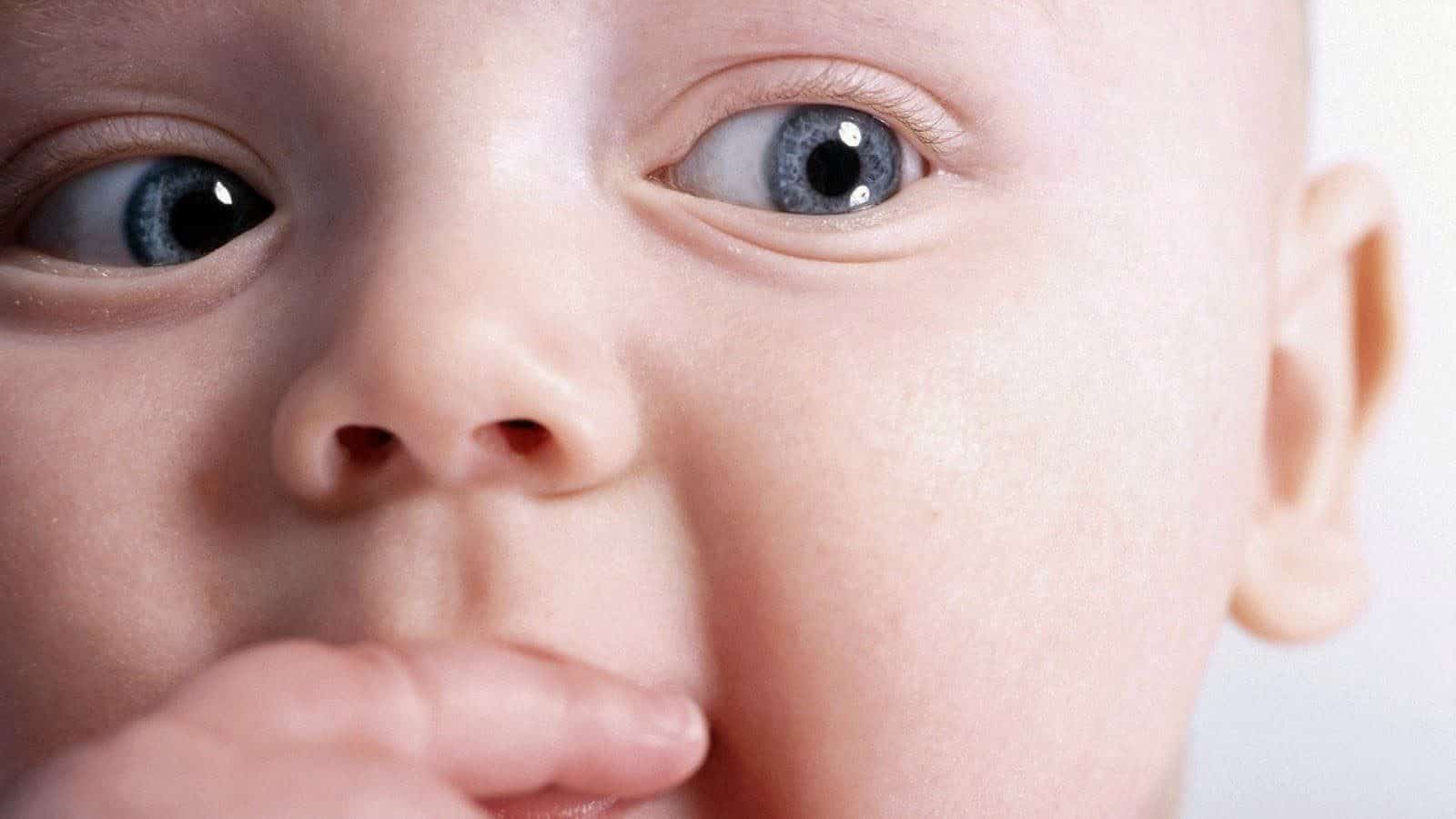
Strabismus is a condition in which the eyes are not properly aligned with each other. In other words, one eye is directed in a different direction than the other. Under normal conditions, the six extraocular muscles that control eye movements work together so that both eyes point in the same direction.
In patients with strabismus, there is a problem with eye movement control, and they are unable to maintain normal eye alignment (eye position).
Read also: Treatment of strabismus and the risks of leaving it untreated
Strabismus can be classified according to the direction of the deviated eye:
There are also other factors that must be considered to help determine the cause and the most appropriate treatment for strabismus:
Read also: The most frequently asked questions about strabismus surgery
What Are the Types of Strabismus?
Accommodative Esotropia
Intermittent Exotropia
How Common Is Strabismus and What Causes It?
It is estimated that about 4% of the population, or roughly 13 million people, have strabismus. Most cases result from a problem in the neuromuscular control of eye movement. Our understanding of the brain centers that control this function is still evolving.
In some patients, there may be a problem in the eye muscle itself. Strabismus is often hereditary: about 30% of children with strabismus have a family member with a similar condition. Other conditions associated with strabismus include:
When Do the Symptoms of Strabismus Appear?
By 3 to 4 months of age, an infant’s eyes should be able to focus on small objects, and both eyes should be straight and well aligned. By about 6 months, a baby should be able to focus on both near and distant objects. Strabismus typically appears in infants and young children and often becomes noticeable around the age of three.
However, older children and even adults can develop strabismus. A sudden onset of strabismus, especially when accompanied by double vision, in older children or adults may indicate a more serious neurological disorder. If this occurs, medical evaluation is essential.
There is also a condition called pseudostrabismus (false strabismus), where a child appears to be cross‑eyed even though both eyes are actually aligned and looking in the same direction. Pseudostrabismus can be caused by extra skin folds covering the inner corners of the eyes and/or a flat nasal bridge. As the child’s face grows and develops, this appearance often improves or disappears.
Treatment and Indications
Learn about our latest techniques in the medical and surgical management of strabismus in children and adults. Treatment options include:
Eyeglasses or Contact Lenses
Prism Lenses
Orthoptics (Eye Exercises)