Med info
Information About Laser Vision Correction Surgery

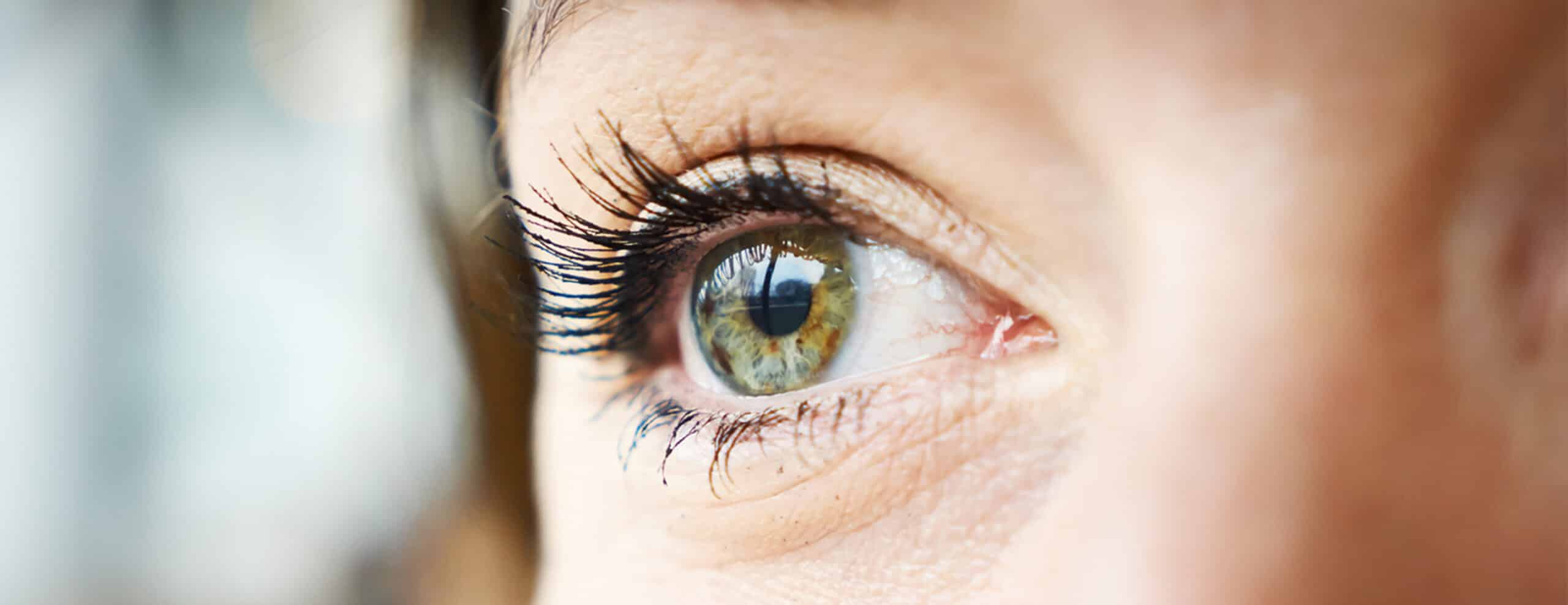
Laser vision correction is a procedure used to treat nearsightedness (myopia), farsightedness (hyperopia), astigmatism, and presbyopia (age‑related need for reading glasses). The treatment works by reshaping the cornea, the clear front surface of the eye.
This reshaping is done using an excimer laser, which helps the eyes focus light more accurately and can significantly improve natural vision. In LASIK, the reshaping is performed beneath an ultra‑thin flap created with another laser called a femtosecond laser.
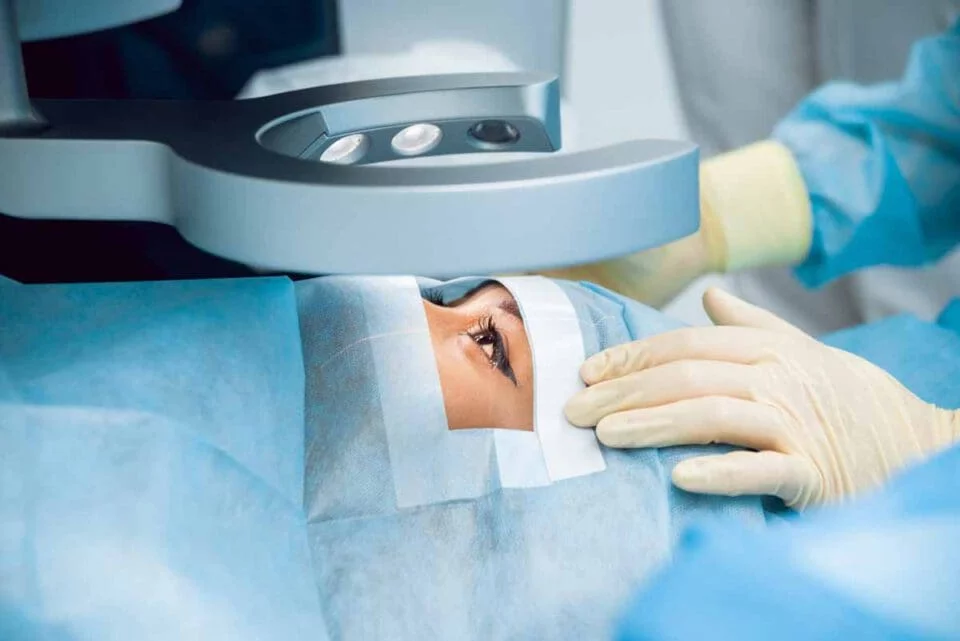
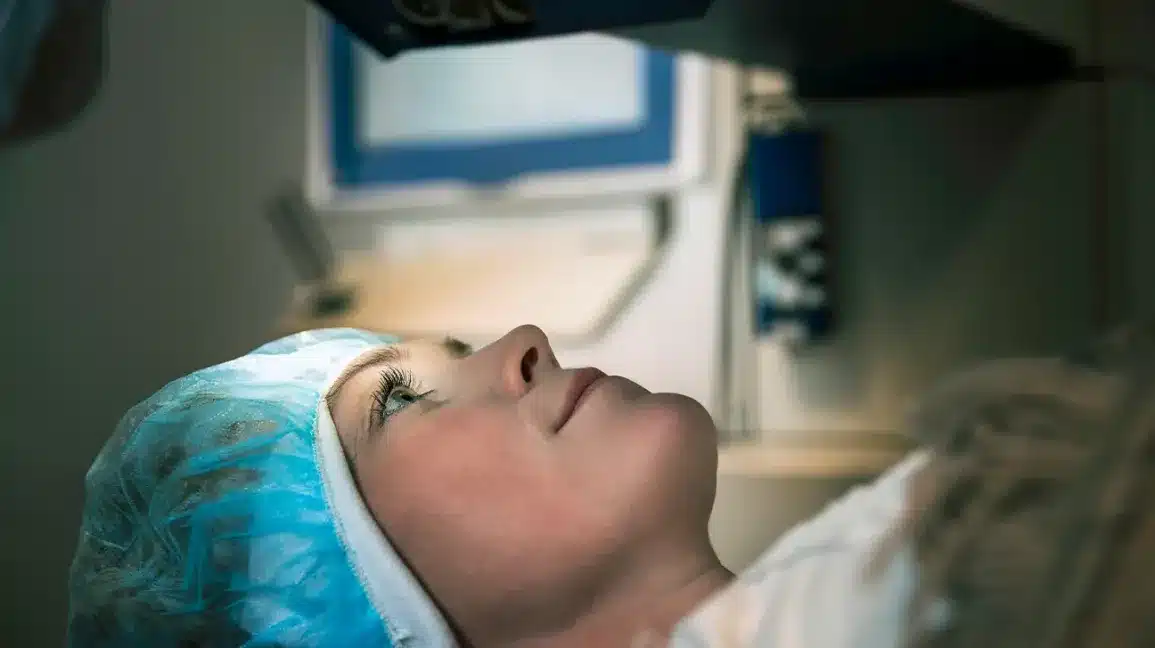
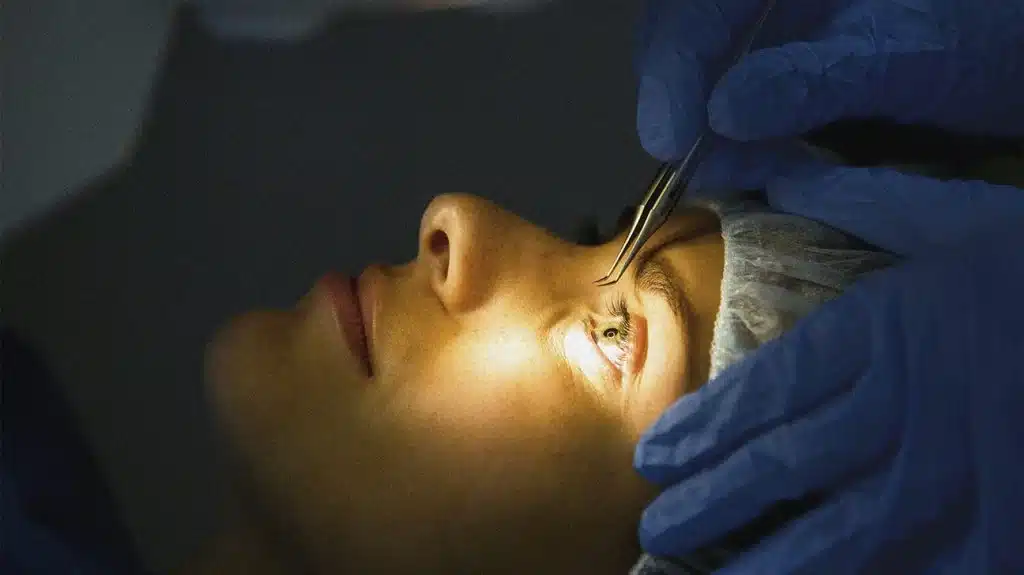
During laser eye surgery, numbing eye drops are applied to minimize discomfort, and the surgeon places a small “speculum” to keep the eyelids open. In LASIK or IntraLASIK, an Intralase femtosecond laser is first used to create a thin corneal flap.
The excimer laser then uses iris‑registration technology to recognize and track the eye. The flap is lifted, the cornea is reshaped, and the entire procedure usually takes less than 7 minutes per eye. The surgery itself is not painful, although patients may feel mild pressure when the Intralase laser creates the flap.
After laser vision correction, patients sometimes report a stinging or burning sensation for a few hours. Different procedures are chosen based on your specific refractive error. Below is a brief overview of the most common laser vision correction procedures used for different visual problems.
(See also: Detailed Guide to the Cornea – Structure, Function, and Factors That Affect It)
Laser Correction of Nearsightedness
LASIK (Laser‑Assisted in Situ Keratomileusis)
LASIK is the most commonly performed laser eye surgery in many countries. It can be used for patients with myopia, hyperopia, astigmatism, and for some patients who need reading glasses.
People with very high prescriptions (typically more than +5.00 or −8.00 diopters) may not be ideal candidates; alternatives such as implantable contact lenses (ICLs) can be a good option. During LASIK, the surgeon creates a very thin corneal flap using an Intralase femtosecond laser.
The exposed corneal tissue is then reshaped with the excimer laser, and the flap is repositioned. Throughout the procedure the flap remains attached to the cornea like a hinge, allowing it to be accurately replaced and helping to speed up healing. The flap adheres naturally without the need for stitches.
(See also: Does Poor Vision Cause Headaches? | An Accurate Answer)
PRK (Photorefractive Keratectomy)
PRK is the earlier form of laser eye surgery that preceded LASIK. Today it is mainly used for patients with mild prescriptions or when corneal thickness or shape makes LASIK unsuitable.
During PRK, the entire outer (epithelial) layer of the cornea is removed to expose the treatment area. Unlike LASIK, no corneal flap is created.
The excimer laser is then used to reshape the cornea. Compared with LASIK, recovery after PRK takes longer because new epithelial cells must regenerate over the corneal surface. Healing time is typically about 5–7 days.
(See also: When Does Vision Deterioration Stop? | Is That Really True?)
LASEK (Laser Epithelial Keratomileusis)
LASEK combines elements of both LASIK and PRK and is used to correct mild to moderate myopia and astigmatism.
As in PRK, the corneal epithelium is separated, but instead of being removed completely, the surgeon creates a very thin epithelial flap, somewhat similar to the corneal flap created during LASIK.
The laser is then applied to reshape the cornea. Once the laser treatment is finished, the epithelial tissue is repositioned and a bandage contact lens is placed on the eye to protect the surface and help the epithelium heal in place.
(See also: Nearsightedness (Myopia) – Everything You Need to Know)
Laser Vision Correction
Before and After Laser Vision Correction Surgery
Before surgery, you will have a consultation with your eye surgeon. During this visit, the surgeon will:
(See also: Vision Screening and Eye Tests – What They Are and Their Types)
The Day Before Laser Vision Correction Surgery
Stop using any makeup, creams, lotions, or perfumes, as they can interfere with the procedure, and arrange transportation to and from the clinic.
You may be given a sedative, which will make you unable to drive. Immediately after surgery, you may feel some discomfort or mild pain.
You may feel tempted to rub your eyes, but it is very important to avoid doing this, as rubbing can displace the corneal flap. These symptoms usually improve significantly within a few hours after surgery. Even though recovery is typically quick, you may still want to take a day or two off work.
Your doctor will prescribe eye drops to help prevent infection and reduce inflammation. You may also be advised to use artificial tears to keep your eyes lubricated. If you experience severe pain, marked redness, or a sudden decrease in vision, contact your doctor immediately.
(See also: Symptoms of Poor Vision and Everything You Need to Know About Low Vision)
Laser Correction of Myopia (Nearsightedness)
Laser eye surgery was literally developed first and foremost to treat myopia. The earliest versions of the procedure were designed specifically with nearsightedness in mind, with the simple goal of freeing patients from blurred distance vision and from the hassles of glasses and contact lenses.
The great advantage of laser eye surgery is that it often eliminates the need for corrective lenses entirely. Anyone who has had to wear glasses or contact lenses for myopia will appreciate this—especially people who enjoy sports or a very active lifestyle. There is also the simple pleasure of traveling without worrying about glasses or spare lenses—and of being able to recognize faces easily.
Laser eye surgery works by flattening the central part of the cornea, allowing the focal point of incoming light to move back onto the retina. This straightforward adjustment lets light focus more accurately, giving you clear, sharp vision—without the need for corrective eyewear.
(See also: The Best Laser Vision Correction Techniques in Saudi Arabia)
Benefits of Laser Vision Correction Surgery
The widespread popularity of laser vision correction speaks for itself. Here are some of the key benefits it can offer you and your eyesight:
(See also: Causes of Dry Eyes After LASIK | Symptoms and Treatment Options)
Laser Vision Correction Surgery
Whatever symptoms of poor vision, refractive errors, or eye problems you may have, this delicate medical condition requires a thorough examination and the right treatment from a skilled, experienced ophthalmologist using effective medical technology that delivers real results. Whatever eye disease or issue you are facing, you can book an appointment at Batal Specialized Complex to undergo a full eye evaluation and begin addressing your vision problems, no matter how complex they may be.
(See also: Scleral Buckling Surgery for Retinal Detachment | Guide from Batal Specialized Complex)