Med info
Important Questions Before SMILE Eye Surgery

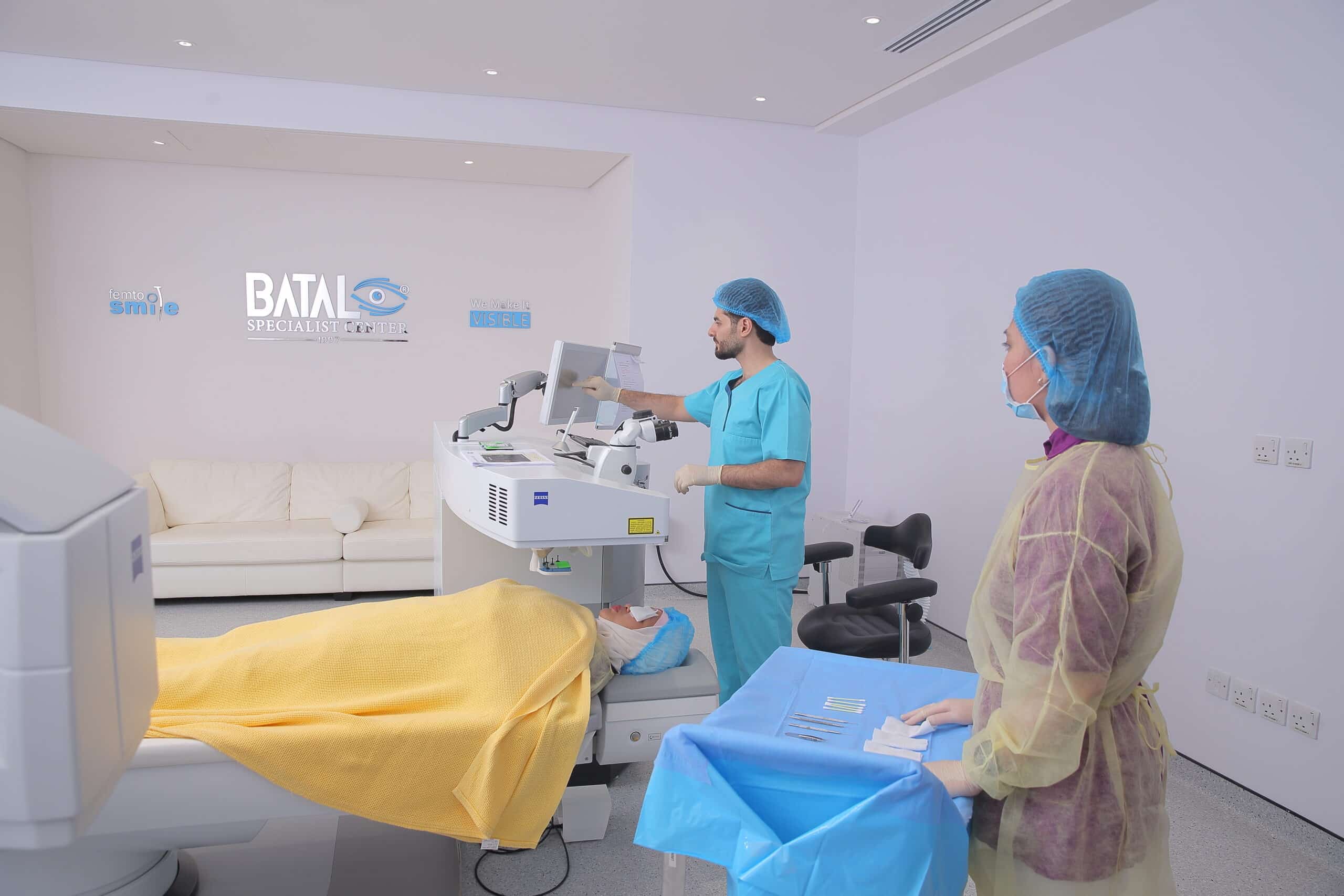
SMILE (Small Incision Lenticule Extraction) is one of the latest laser vision correction procedures. It is a relatively minimally invasive surgery used to treat myopia (nearsightedness) and mild astigmatism. It does not take long, similar to other laser vision correction procedures, but unlike traditional methods, the ophthalmologist does not use a surgical blade. SMILE is also considered more precise than commonly used procedures such as Femto-LASIK and Contoura Vision. But is SMILE eye surgery really safe?
SMILE is currently the most advanced laser vision correction technique worldwide that does not require a surgical blade. Instead, the ophthalmologist uses extremely precise femtosecond laser pulses to create and remove a small piece of corneal tissue (lenticule). Below are answers to common questions asked by people considering laser vision correction and looking to get rid of their glasses or contact lenses.
What Is SMILE Eye Surgery?
SMILE is a modern vision correction procedure that received FDA (U.S. Food and Drug Administration) approval in 2016. It is considered completely safe when preceded by proper preoperative testing, including accurate vision measurements and detailed examination of the eye using advanced diagnostic equipment, performed by a qualified ophthalmologist before proceeding with surgery.
Because it is a relatively new medical technology, there is a lot of misinformation circulating about it. Below, we will clarify several widespread myths about SMILE.
Is SMILE Eye Surgery Safe?
The core concept behind SMILE is to make laser vision correction procedures safer and more stable over time. SMILE has proven to provide better biomechanical stability of the cornea than conventional LASIK, mainly because the incision made in the cornea is about 80% smaller than the flap created in LASIK. This significantly reduces the risk of corneal thinning and ectasia, as well as the likelihood of post-operative dry eye.
Why Do We Need SMILE If Other Procedures Already Work Well?
Because SMILE offers several advantages over previous procedures, including:
– A smaller incision and less disruption to the corneal structure
– Lower risk of dry eye symptoms
– Greater biomechanical stability of the cornea
– Faster recovery and more comfort after surgery
Is SMILE Suitable for All Ages?
Laser vision correction procedures are generally performed between the ages of 18 and 40, once the refractive error has stabilized. However, determining whether SMILE is suitable for a specific person requires a thorough eye examination, several tests, and an accurate diagnosis before making a decision.
SMILE can be performed in many cases that would also be candidates for LASIK. It is always best to consult an ophthalmologist to confirm suitability.
How Do You Know If SMILE Is Right for You?
Your suitability for SMILE is based on multiple factors assessed by your doctor, such as:
– Stability of your prescription over at least one year
– Degree of myopia and astigmatism
– Corneal thickness and shape
– Overall eye health and absence of conditions like keratoconus or severe dry eye
Only a detailed preoperative assessment can determine if SMILE is the best option for you.
Common Myths About SMILE Eye Surgery
1. Is SMILE Too New and Still Experimental?
It is relatively new compared to LASIK, but it has already demonstrated a very high level of accuracy and safety when performed correctly. The femtosecond laser used in SMILE delivers extremely precise pulses, causing minimal damage to surrounding corneal tissues compared to other refractive techniques. This translates to a significantly lower risk of induced higher-order aberrations, changes in intraocular pressure, and post-operative dry eye.
The more accurate statement would be that SMILE is a highly sensitive procedure that requires an ophthalmic surgeon with extensive experience and high technical skill to ensure optimal results.
2. Will You Still Need Glasses After SMILE?
Among currently available refractive surgeries, SMILE provides some of the highest quality visual outcomes, with excellent long-term stability and typically fewer complications than many other laser procedures. Studies show that about 88% of patients who undergo SMILE achieve outcomes they consider very successful, with vision close to perfect unaided.
Problems usually arise when patients return to unhealthy habits that strain their eyes excessively (for example, prolonged screen use without breaks, poor lighting, or not following post-operative instructions). In such cases, the need to use glasses again is often related more to lifestyle and eye strain than to a failure of the procedure itself.
3. Can SMILE Cause Blindness?
The most serious concern after any surgery is infection, which in severe cases can lead to partial or complete loss of vision. One of the strengths of SMILE is that its incision is about 80% smaller than in flap-based procedures like LASIK, which significantly reduces the risk of infection.
Additionally, the overall risk of infection is very low when surgery is performed in a reputable, properly sterilized setting and when the patient strictly follows post-operative care instructions, such as using prescribed eye drops (antibiotic, anti-inflammatory, and lubricating drops) and maintaining eye hygiene. All of this greatly supports fast healing and minimizes complications.
4. Does Blinking During the Procedure Mean It Has Failed?
Blinking or sudden eye movement at critical moments can compromise the procedure, but several measures prevent this. Before surgery, the doctor applies anesthetic eye drops to numb the eye and prevent discomfort. A sterile eyelid speculum is then used to keep the eye open and stable throughout the procedure.
At specialized centers such as Al Batal Eye Center, surgeons ensure the eye is well-centered and stable before starting. However, in rare instances, the patient may move unexpectedly, for example, due to sneezing or coughing. In some of these cases, the surgeon may pause for a few minutes and then safely repeat the step. In other situations, the surgeon might decide to reschedule part or all of the procedure for two weeks to a month later. This decision depends entirely on the surgeon’s professional judgment and what they see during surgery.
5. Is SMILE Significantly More Expensive?
SMILE is indeed somewhat more expensive than traditional laser procedures for several reasons:
– The advanced femtosecond laser platform used is costly
– Single-use consumables (such as patient-specific laser interfaces) must be discarded after each case for safety and sterility
– It requires a highly skilled and experienced surgeon to minimize the risk of complications
However, the cost of SMILE has generally decreased in recent years as the technology has become more widely available and laser systems have spread to more centers.
6. Which Is Better: LASIK or SMILE?
In SMILE, the corneal incision is only about 2–4 mm long. This small incision shortens surgical time and accelerates recovery, while reducing the risk of regression or overcorrection. Furthermore, because the cornea is exposed to a smaller treatment area, the incidence of dry eye after SMILE is lower than after LASIK.
The final decision between LASIK and SMILE depends primarily on the ophthalmologist’s assessment of your eye condition and overall health. The most important step for the patient is to choose a trusted, well-equipped center; the medical team will then determine the most suitable procedure.
Important Patient Questions About SMILE Surgery
Why Do Patients Prefer SMILE?
Patients often prefer SMILE because:
– Visual results are stable over the long term
– Complications are rare
– There is no creation of a corneal flap, so the structural integrity of the cornea remains largely preserved
– The risk and severity of dry eye symptoms are usually much lower
– The procedure is typically painless
Also, the incision needed to remove the lenticule is about 80% smaller than the flap in LASIK, which helps maintain corneal strength and further reduces infection risk.
Can All Refractive Errors Be Corrected With SMILE?
No. SMILE is currently used primarily to treat:
– Myopia (nearsightedness)
– Myopic astigmatism
It does not correct hyperopia (farsightedness) or presbyopia (age-related difficulty focusing on near objects).
Do You Need to Fast the Day Before Surgery?
No fasting is required. There are no dietary restrictions before or after SMILE because it does not involve general anesthesia. The doctor uses only topical anesthetic eye drops, so the patient does not feel pain and can go home shortly after the procedure.
Can Both Eyes Be Treated in the Same Session?
Yes. As with most laser vision correction procedures, both eyes are usually treated in the same session. The procedure is minimally invasive and does not involve entering the inside of the eye. Treating both eyes together is generally recommended so that recovery and visual adaptation occur simultaneously.
Will the Patient Be Awake During SMILE?
Yes, the patient remains awake. As mentioned, there is no need for general anesthesia. The surgeon applies numbing eye drops, so the patient may feel some pressure or a sensation of heaviness during the procedure, but no pain.
How Long Does It Take to Recover From SMILE?
Recovery after SMILE is typically faster than with flap-based procedures because there is no large corneal flap, just a tiny incision. This small opening usually seals very quickly, often by the end of the same day or by the following day.
Most patients can resume activities such as exercise and swimming within the first week after surgery. By comparison, such activities are usually delayed for 2–4 weeks after LASIK.
You should plan to rest at home for about 24 hours after surgery. At most, some patients may need 2–3 days off, depending on individual healing and comfort.
Is It Normal to Have Difficulty Seeing Near Objects After Surgery?
During the first week after SMILE, it is common to notice that fine details at near distance are not perfectly clear and that there may be slight overall blur or haze. Similar temporary symptoms can occur after LASIK as well.
This generally happens because the cornea and ocular surface have not yet fully healed. Near vision usually improves gradually over the following weeks. It is important to follow all post-operative instructions, including the regular use of prescribed eye drops and medications.
What Is the Rate of Dry Eye After SMILE?
Symptoms of dry eye after SMILE are typically milder and much less common than after LASIK. This is because fewer corneal nerves are disrupted during SMILE, which helps maintain more normal tear film production and stability.
Do You Need to Stop Wearing Contact Lenses Before Surgery?
Yes. Ophthalmologists usually advise stopping contact lens wear for at least 4 days before SMILE. In some cases—especially with rigid gas permeable lenses—the required period may be longer, as determined by your doctor.
When Can You Wear Contact Lenses Again After SMILE?
Cosmetic (colored) contact lenses can generally be worn again after your doctor confirms that the eye has healed properly. This is usually around one month after surgery, but timing can vary by individual and must be approved by the surgeon.
Do You Need to Stay in the Dark After Surgery?
No, staying in a dark room is not necessary. You can remain in normal indoor lighting. Some patients experience light sensitivity for a few hours after the procedure, so the doctor may recommend resting the eyes and keeping them closed during this period.
You may watch TV or read once the discomfort and light sensitivity subside. However, it is generally recommended to avoid TV, smartphones, and computers for the first 24 hours, or until your doctor examines your eyes and confirms that everything is progressing well.
These were answers to the most frequently asked questions before SMILE eye surgery. If you have additional questions that were not covered here, you can contact one of the ophthalmologists at Al Batal Specialized Eye Center or reach the patient support team via WhatsApp to get all your queries answered.