
Med info
Implantable Contact Lens (ICL) Surgery | Procedure, Care, Risks, and Cost

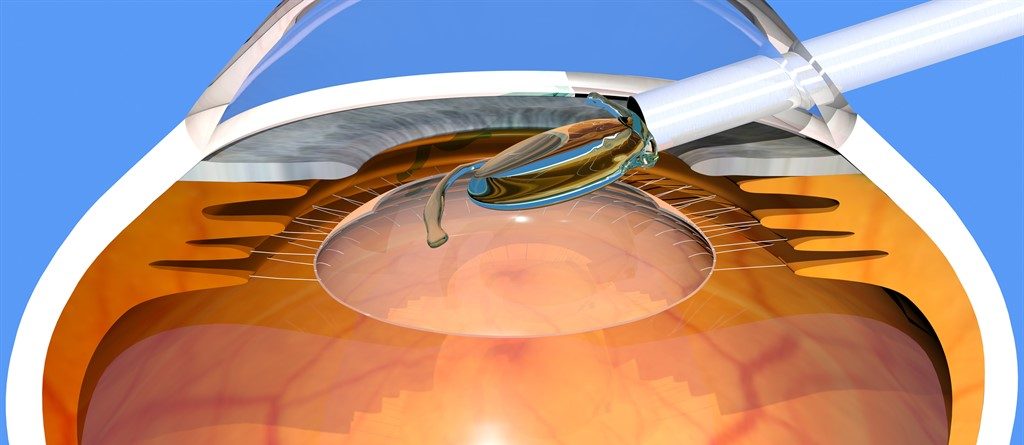
Visian Implantable Contact Lens (ICL) surgery is a common eye procedure used to correct myopia (nearsightedness) and astigmatism (irregular corneal shape), helping reduce or completely eliminate the need for glasses or traditional contact lenses.
ICL surgery involves placing a soft, collagen-based plastic lens between the iris and the eye’s natural lens to help focus light properly on the retina. These implantable contact lenses are similar to intraocular lenses (IOLs) used in cataract surgery.
ICL is an excellent alternative to LASIK eye surgery for people with high degrees of myopia. The Eye Center at Batal Specialized Complex in Saudi Arabia is considered one of the best eye centers offering a permanent solution for vision problems.
Also read: Upper Eyelid Aesthetic Lift Without Surgery – How Is It Done?
Who Needs ICL Surgery?
Implantable contact lens surgery is not suitable for everyone. A good candidate for ICL surgery typically has the following characteristics:
Also read: Blood Types – Everything You Want to Know
Preparing for Surgery
Your doctor will perform a YAG laser iridotomy about two weeks before the surgery. This procedure creates tiny openings in the front part of the eye to allow proper flow of the aqueous humor.
About a week before the procedure, the ophthalmologist at the Eye Center in Batal Specialized Complex will perform a comprehensive eye examination to ensure the eyes are healthy and suitable for surgery, and to evaluate the pupil, cornea, and endothelial cell count.
If you wear contact lenses, your ophthalmologist will advise you to stop wearing them for several days to a few weeks before surgery. This allows the eye to return to its natural shape.
You should inform your doctor about any medications you are taking, any previous surgeries, and any underlying medical conditions or allergies you have.
Also read: Brow Lift Surgery – What It Is and How It’s Done in Detail
Steps of the ICL Surgery Procedure
Once the patient arrives at the clinic, they will lie back in a reclining chair. The doctor will first instill dilating eye drops to enlarge the pupil. After that, they will apply a topical anesthetic to prevent pain and discomfort during the procedure, and may also give a mild sedative to help the patient relax.
The surgeon will then clean the eye and surrounding area and use a device called a lid speculum to keep the eye open. The surgery involves making a small incision in the cornea and inserting the folded ICL between the iris and the eye’s natural lens. Once the lens is correctly positioned, the surgeon will close the incision with tiny stitches if needed, then apply topical antibiotics and steroids to prevent infection and inflammation, and place an eye patch or protective shield for comfort and protection.
The entire procedure takes about 30 minutes. The patient may need to stay in the recovery area for a few hours for close monitoring before being discharged.
Also read: What Is Goiter? | Everything You Need to Know About Thyroid Enlargement
Postoperative Care and Recovery
After surgery, the doctor will prescribe antibiotic eye drops and other medications to relieve pain and discomfort. They will also provide detailed postoperative care instructions. General aftercare recommendations following ICL surgery include the following:
Side Effects and Risks of ICL Surgery
Possible side effects of ICL surgery include:
There are also some potential complications, such as:
Also read: How Long Does It Take to Recover from Eyelid Surgery?
How Much Does ICL Surgery Cost?
Visian ICL lenses are considered an elective procedure, and they are unlikely to be covered by private insurance. The total cost can also vary from one surgeon to another.
Also read: Eye Antibiotics | Do Antibiotics Work Well for Eye Infections?
Alternative Treatment Options
The degree of myopia helps determine the most suitable treatment for each person. Alternative treatment options include:
Laser-Assisted In Situ Keratomileusis (LASIK) is the most common type of refractive surgery. It involves creating a corneal flap and reshaping the cornea with laser technology. This improves visual acuity, and LASIK can correct:
There are also several LASIK variations, including LASEK, Epi-LASIK, and iLASIK.
Unlike LASIK, Photorefractive Keratectomy (PRK) does not require creating a corneal flap to reshape the cornea. It is a good alternative for people with thin corneas who are not good candidates for LASIK. PRK involves removing the corneal epithelium (the thin outer layer of the cornea) to allow laser treatment.
SMILE (Small Incision Lenticule Extraction) is a laser-based refractive procedure. The surgeon uses a femtosecond laser to create a small disc of corneal tissue called a lenticule, then makes a tiny incision to remove it, changing the shape of the cornea to improve vision.

Conductive Keratoplasty (CK) uses radiofrequency energy to reshape irregular corneas. It is used to treat low hyperopia with or without astigmatism, as well as presbyopia (age-related difficulty focusing on near objects).
We recommend visiting the Eye Center at Batal Specialized Complex in Saudi Arabia for a comprehensive eye examination by top ophthalmologists to ensure your eyes are healthy.
Also read: Seborrheic Blepharitis – Causes, Symptoms, and Treatment Options