Med info
How to Treat Tear Duct Blockage in Newborns

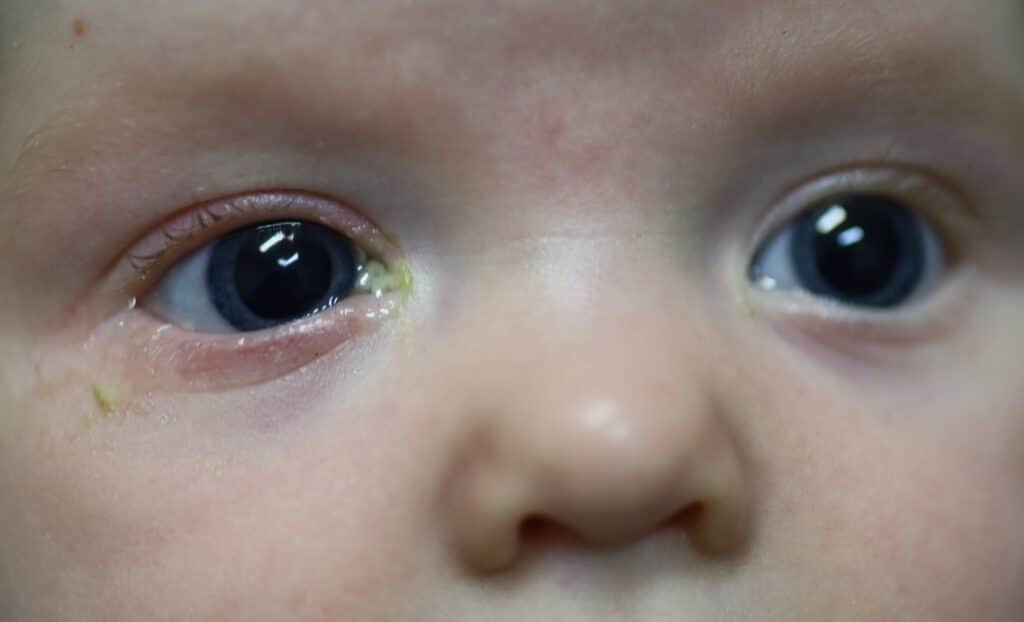
Tears help clean and lubricate your baby’s eyes. They are produced in the lacrimal (tear) gland and reach the surface of the eye through tiny channels along the eyelid. From there, tears drain through two small openings in the inner corners of the eyelids, then pass through a larger passage from the eye into the inside of the nose, known as the nasolacrimal duct (tear duct).
When this duct becomes blocked, the condition is called nasolacrimal duct obstruction. Some babies are born with this problem, in which case it’s called congenital nasolacrimal duct obstruction. We recommend visiting the Eye Center at Batal Specialized Complex in Saudi Arabia for a comprehensive eye examination and to receive safe, effective treatment from leading eye specialists.
Also read: Sunken Eye Cosmetic Surgery | Is It a Real Option?
What Causes Tear Duct Blockage in Newborns?
In some infants, the openings of the tear duct do not form properly. This can lead to a blockage because the tears have nowhere to drain. A blocked tear duct can affect one eye or both, and the blockage may be constant or may come and go.
Also read: Eyelid Lift Surgery Cost in Detail
What Are the Symptoms of Tear Duct Blockage in Newborns?
Babies usually don’t produce emotional tears until they are a few weeks old, so a blocked tear duct may not be noticeable right at birth. Symptoms can vary from one baby to another and may include the following:
A baby may only show symptoms when crying. Symptoms may also appear in cold or windy weather when tear production is stimulated.
Also read: Refractive Eye Surgery | Information and Everything You Need to Know
How Is a Blocked Tear Duct Diagnosed in a Baby?
An ophthalmologist (eye doctor) can diagnose a blocked tear duct by performing a thorough eye exam. They will ask about your baby’s medical history, and in some cases, additional tests may be needed to confirm the diagnosis.
Also read: Blepharoplasty (Eyelid Surgery) | Important Details You Should Know
How Is Tear Duct Blockage Treated in Newborns?
Treatment depends on your baby’s symptoms, age, and overall health, as well as on how severe the blockage is. The most common initial treatment is gentle tear duct massage, usually 2 to 3 times a day. If this is not effective, other treatments or surgery may be needed. We recommend the Eye Center at Batal Specialized Complex in Saudi Arabia for proper evaluation and care.
Also read: Dry Eyes vs. Allergies | How to Tell the Difference
What Are the Possible Complications of a Blocked Tear Duct in a Baby?
Sometimes, a blocked tear duct can lead to an eye infection. If this happens, your baby may need antibiotic treatment. In most cases, blocked tear ducts resolve on their own, usually by the time the child is about one year old.
If the duct is still blocked after the age of one, treatment is usually recommended. The ophthalmologist may enlarge the tear duct opening using a small probe. If this procedure is not successful, your child may need surgery to repair the duct.
Also read: Best Antibiotic Eye Drops | Top List for 2023
Key Points About Tear Duct Blockage in Children

It’s important to visit the Eye Center at Batal Specialized Complex in Saudi Arabia to learn how to help your child overcome this problem, understand possible side effects and when to seek medical attention, and to have a complete eye examination performed.
Also read: Travatan Eye Drops | Uses, Side Effects, and Full Information