
Med info
How to Prevent Vision Loss from Diabetic Retinopathy

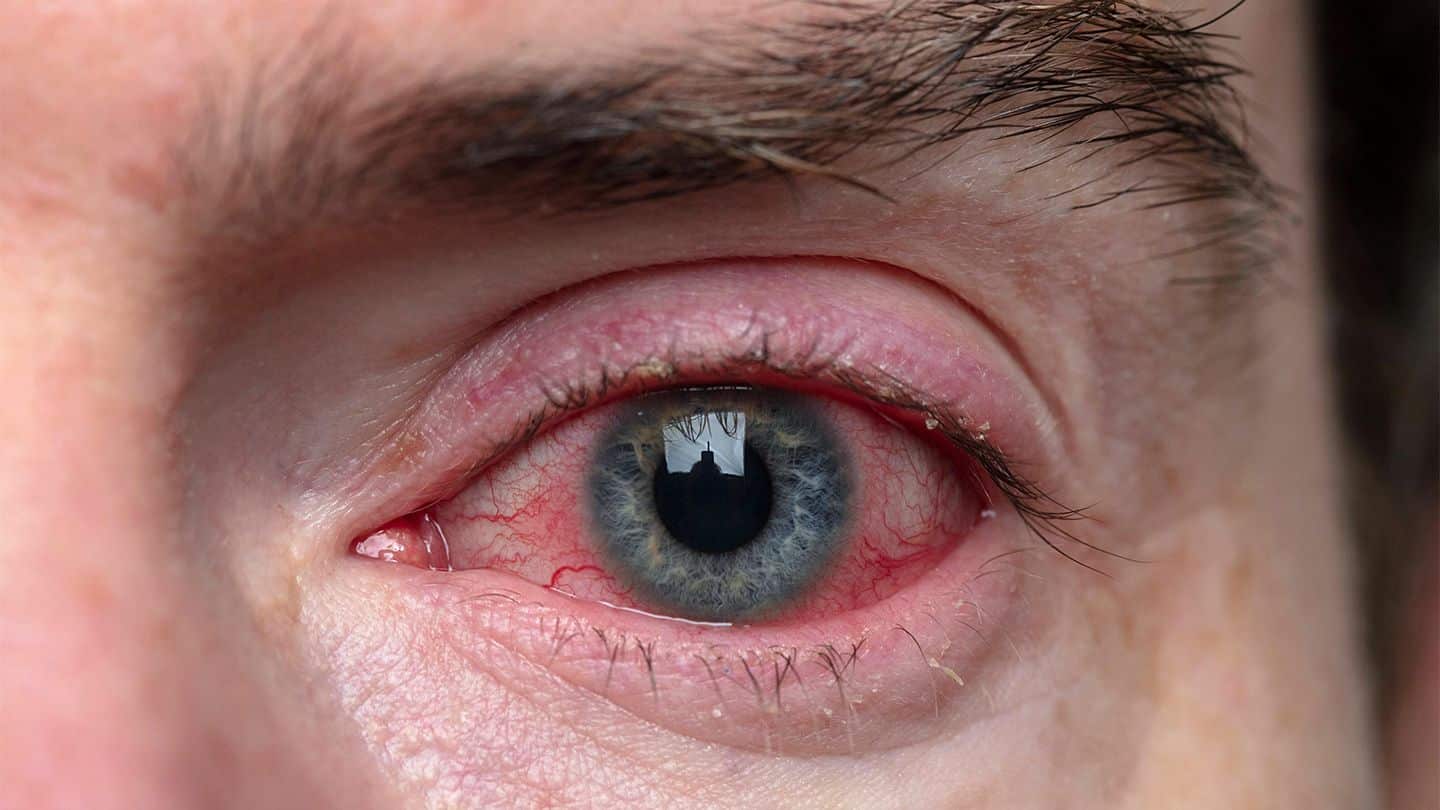
High blood sugar levels over a long period of time are one of the main causes of diabetic retinopathy. This condition affects vision when the blood vessels at the back of the eye become damaged. These vessels supply blood to the tissues at the back of the eye where the retina is located.
Elevated blood sugar damages the tiny blood vessels that nourish the retina. Fluid then leaks into the retinal tissue, causing it to swell. Over time, the retina becomes deprived of oxygen and its condition worsens, leading to vision complications.
The early stages of diabetic retinopathy can go unnoticed because symptoms are often mild. However, advanced diabetic retinopathy can lead to severe, sometimes complete, loss of vision. That is why it is essential to visit the Eye Center at Batal Specialized Complex in Saudi Arabia, which includes consultant clinics run by top ophthalmologists and provides comprehensive patient care.
Read also: How to Detect and Prevent Cataracts?
Tips to Prevent Vision Loss in People with Diabetes
Below are some tips to help people with diabetes prevent severe vision loss caused by diabetic retinopathy:
Get Regular Eye Exams
People with diabetes should have a comprehensive eye examination at least once a year. It is easy to miss the early stages of diabetic retinopathy because there are usually no major symptoms. The condition progresses and symptoms appear in more advanced stages. When diabetic retinopathy is detected early enough, vision loss can often be prevented.
You are encouraged to visit the Eye Center at Batal Specialized Complex in Saudi Arabia, as it offers excellent services around the clock, seven days a week.
Read also: Are You a Good Candidate for Laser Eye Surgery?
Keep Your Blood Sugar Under Control
Patients should keep their blood glucose levels under control as much as possible. When blood sugar is high, it affects the blood vessels at the back of the eye. This is why people with diabetes may sometimes experience blurry vision. Over time, repeated episodes of blurred vision can contribute to permanent vision loss.
Maintain a Healthy Lifestyle
Eye health depends greatly on overall health, so maintaining a healthy lifestyle is essential. A healthy lifestyle also helps control diabetes. It is recommended to drink plenty of water to keep the body well hydrated at all times.
Read also: What Is Thin-Flap LASIK?
Follow a Well-Balanced Diet
Diet plays a crucial role. It is important to reduce intake of cholesterol, refined carbohydrates, sugars, and salt, and to increase foods that support eye health. These include foods rich in iron, vitamins, and omega‑3 fatty acids, along with plenty of leafy green vegetables, nuts, and fruits.
Avoid Substance Abuse
Using harmful substances is dangerous to health even for people who do not have diabetes. Alcohol places extra stress on the body, and smoking harms overall health, including the blood vessels. Abuse of certain drugs can also cause pupil dilation and other changes that may contribute to the development or worsening of diabetic retinopathy.
Exercise Regularly
Regular physical activity is essential for maintaining good health. Exercise helps burn excess fat and reduce cholesterol buildup in the body, and it improves blood circulation, which is beneficial for vision. For beginners, it is advisable to start with light exercises and gradually increase intensity.
Read also: How Long Does It Take to Recover from LASIK Surgery?

The ophthalmologists at Batal Specialized Complex have extensive experience in eye care and in providing both medical and surgical services, supported by advanced medical and technological facilities. People with diabetes can schedule regular appointments with the specialists at Batal Specialized Complex to help prevent vision loss.