
Med info
How to Detect and Prevent Cataracts

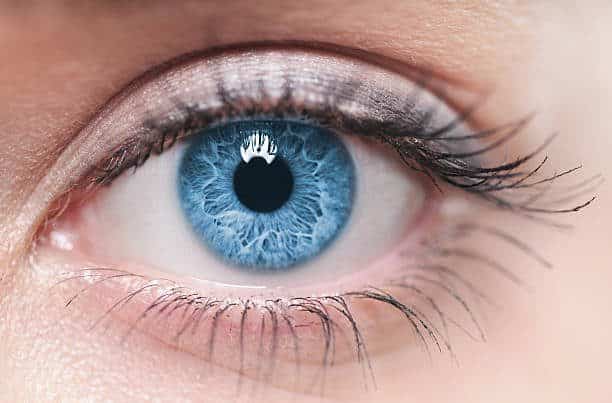
Cataracts are a condition where a cloudy, dense area forms in the eye’s natural lens. They begin to develop when proteins in the lens clump together, preventing light from passing clearly through to the retina. The retina then converts the incoming light into electrical signals and sends them to the optic nerve, which transmits them to the brain.
Read also: Are You a Good Candidate for Laser Eye Surgery?
Read also: Treating Dry Eyes After LASIK and Why It Matters
Detecting Cataracts
If you’re over 60 and your vision has started to look cloudy or blurry, you may be developing cataracts. Because cataracts usually progress slowly, they don’t always affect vision in the early stages. Over time, however, certain symptoms become more noticeable.
At first, stronger eyeglass prescriptions and brighter lighting may be enough to help you cope. But when reduced vision begins to interfere with your normal daily activities, it’s time to consider cataract surgery, which is generally safe and highly effective.
Read also: What Can LASIK Correct?
Common Symptoms of Cataracts
Because cataracts develop gradually, you may not notice any symptoms until they begin to significantly block light. Early on, you might see a small area of blurred vision. Over time, this blurred area often grows as the lens becomes cloudier, and your overall vision may start to seem hazy, dim, or washed out.
You may also notice changes in how you see colors. Objects can begin to take on a yellowish or brownish tint. As this worsens, distinguishing certain colors—especially shades of blue and purple—can become more difficult. Tasks that depend on accurate color perception, such as reading small colored print or matching colors, may become more challenging.
Other signs and symptoms of cataracts can include:
– Poor night vision
– Double vision in one eye
– Increased sensitivity to sunlight, headlights, and bright indoor lights
– Seeing halos around lights
Needing frequent changes in your eyeglass or contact lens prescription is another common sign. Any sudden or gradual change in your vision is a reason to schedule an eye examination with an ophthalmologist right away.
Read also: How Long Does LASIK Recovery Take?
Preventing Cataracts
There is no guaranteed, proven way to completely prevent cataracts. However, certain lifestyle changes may help slow their progression or lower your risk of developing them. Some potentially helpful measures include:

Read also: How to Choose a LASIK Surgeon – The Comprehensive 2024 Guide from Batal Specialized Center
Most of these strategies offer broader health benefits that extend beyond your eyes and may also contribute to reducing your risk of cataracts.