Med info
Hooded Eyes: Everything You Need to Know

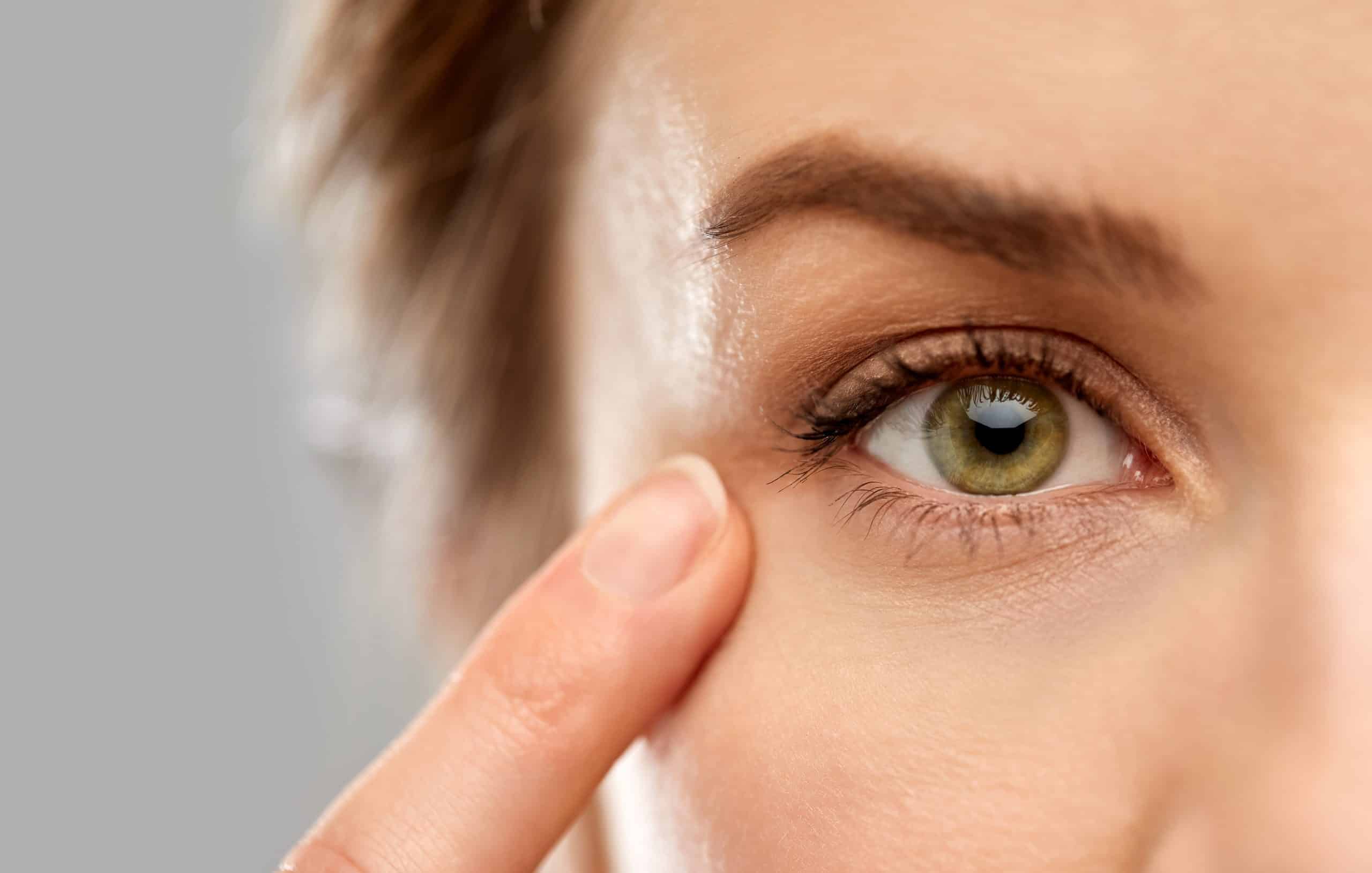
Hooded eyes occur when excess skin from the brow line folds down, usually becoming more noticeable toward the outer corner of the eye where the eyebrow tapers toward the temple. Many people associate hooded eyes with aging, but they can also be purely genetic.
People with hooded eyes may notice that the skin under the brow touches or comes very close to their upper eyelashes. While this usually does not cause medical problems, in some cases it can partially block vision. It may also affect quality of life if someone feels the appearance is cosmetically undesirable.
We recommend visiting the Eye Center at Batal Specialized Complex in Saudi Arabia for a comprehensive eye examination by some of the world’s leading ophthalmologists to ensure the health of your eyes and the clarity of your vision.
Read also: Thyroid Nodules | Causes, Symptoms, and Treatment of Thyroid Nodules
What Are Hooded Eyes?
Hooded eyes are an eye shape in which excess skin and soft tissue around the brow drape over the upper eyelid—but not over the eyeball itself. Some people are born with this eye shape, while others develop hooded eyes as they get older. Even individuals born with hooded eyes often notice that the “hood” becomes more pronounced with age. Sometimes only one eye is affected, but in most cases both eyes are involved.
Read also: Subconjunctival Hemorrhage | Definition, Symptoms, and Treatment
What Causes Hooded Eyes?
Genetics play a major role in determining eye shape, so if one of a person’s parents has hooded eyes, that individual is more likely to have them as well. In others, hooded eyes are more closely linked to the aging process.
As we age, the muscles that support the eyebrows can lose tone and begin to sag. Drooping brows then press down on the soft tissue and fat that overlie the eye socket, which creates a hooded appearance of the upper eyelid.
Researchers have also reported that trauma to the side of the head can contribute to the development of hooded eyes. In addition, certain medical treatments—such as chemotherapy and radiation therapy—may accelerate aging changes in the skin and soft tissues, leading to brow droop and hooding.
Read also: Hyperthyroidism | Causes, Symptoms, and Treatment of Overactive Thyroid
How Are Hooded Eyes Treated?
Most people with hooded eyes do not need medical treatment. However, some feel that their eyes make them look older or more tired than they really are and may wish to change their appearance.
Makeup techniques can help “open up” the eyes and create the impression of a more lifted, awake look, but these effects are temporary and disappear once the makeup is removed.
Non‑surgical and surgical treatment options include:
– **Cosmetic techniques and skincare**
Specialized makeup applications and certain skin-care approaches can subtly improve the appearance of hooded eyes.
– **Brow lift (browplasty)**
A brow lift raises the position of the eyebrows on the brow bone, which can reduce hooding and make the upper eyelid area look less heavy.
– **Blepharoplasty (eyelid surgery)**
Upper eyelid blepharoplasty removes excess skin, fat, and soft tissue, improving the appearance of sagging around the eyes and, in some cases, expanding the visual field.
These procedures are not suitable for everyone. If drooping lids are blocking part of a person’s vision, health insurance companies may classify surgery as a functional (medically necessary) rather than purely cosmetic procedure, in which case it may be covered.
Read also: Hyperthyroidism | Causes, Symptoms, and Treatment of Overactive Thyroid
Other Conditions That Affect the Appearance of the Eyes
Sometimes hooded eyes put pressure directly on the upper eyelid, which can trigger eyelid dermatitis (inflammation of the eyelid skin). If the upper eyelid itself droops over the eye and covers part of the pupil, it can interfere with vision, and doctors may recommend surgery to lift the eyelid.
Although people with hooded eyes can develop eyelid dermatitis, it can also occur independently. Some individuals are genetically predisposed to it, while others develop it as they grow older.
Another condition is **ptosis** (droopy eyelids), in which the upper eyelid itself sags. Many people with mild ptosis do not require surgery, but physicians may advise it if the drooping significantly impairs vision.
Researchers are exploring new ways to treat ptosis and eyelid dermatitis. There is promising evidence that certain medications (such as ptosis eye drops and topical therapies for dermatitis) may be effective, potentially making treatment accessible to a broader range of patients.
Other treatment options include:
– **Dermal fillers**
– **Laser therapy**
– **Brow lift surgery**
– **Surgical removal of excess skin, fat, and soft tissue**
These procedures are typically done under local or general anesthesia. Doctors carefully review the potential risks and benefits with appropriate candidates before obtaining informed consent.
Read also: Hashimoto’s Disease | Causes, Symptoms, and Treatment of Hashimoto’s Thyroiditis
Hooded eyes develop when the brow and surrounding soft tissues begin to sag, creating a fold or bulge that can partially cover the upper eyelid.
Some people are born with hooded eyes, but in most individuals the condition is primarily age‑related.
For personalized advice, consult the Eye Center at Batal Specialized Complex in Saudi Arabia, widely regarded as one of the leading eye care centers in the Middle East. Do not hesitate to contact the center and schedule an appointment.
Read also: Brow Lift Surgery | What It Is and How It Is Performed in Detail