
Med info
Glaucoma (Blue Water in the Eye) | Symptoms, Causes, and Treatment Options

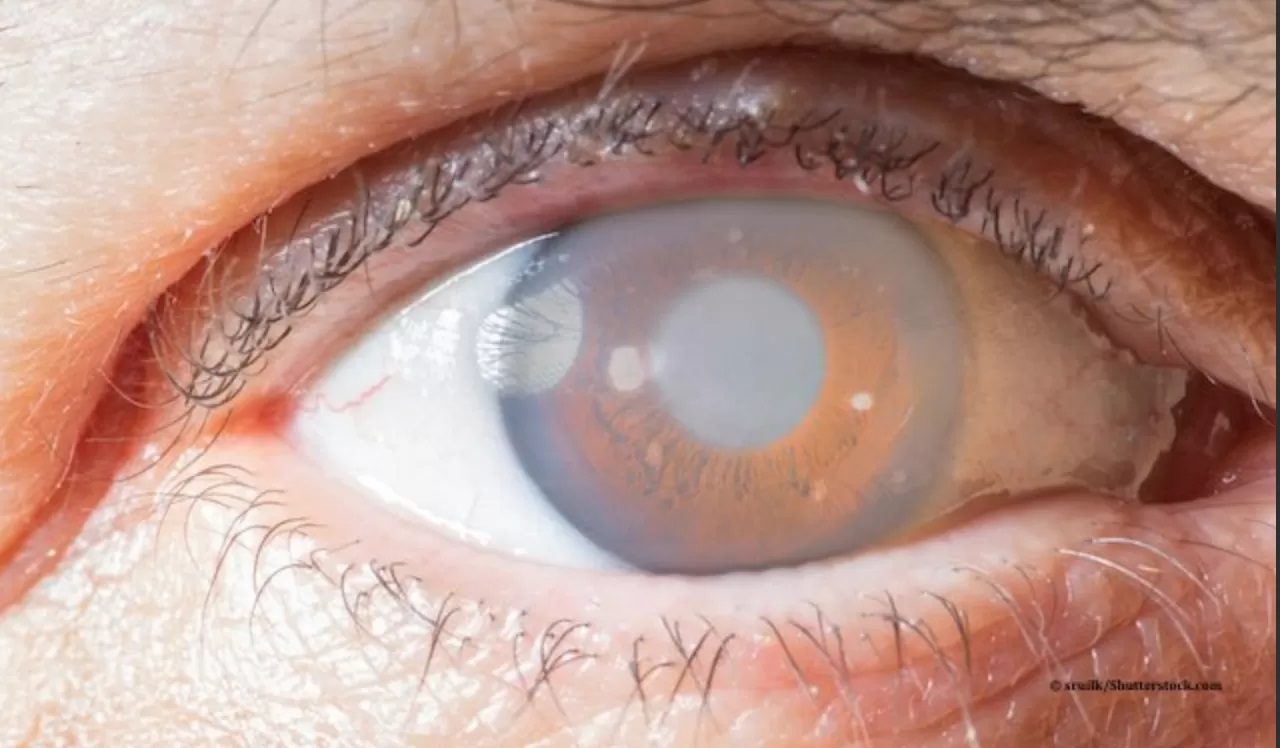
Glaucoma is responsible for about 10% of all cases of blindness, and many affected individuals are older adults (those over 65 years of age). It’s estimated that around three million people have glaucoma, but according to the Glaucoma Research Foundation, about half of them are still undiagnosed.
This does not mean that a glaucoma diagnosis automatically leads to blindness. There are many effective treatment options, and it’s crucial to understand exactly what you’re dealing with so you can stay ahead of the disease before it causes severe vision loss.
Let’s look at the different types of glaucoma, how they develop, and how they can be treated most effectively.
What Is Glaucoma?
Glaucoma is an umbrella term for a group of eye conditions in which damage occurs to the optic nerve, which is essential for good vision. This damage is usually related to abnormally high pressure inside the eye (intraocular pressure). As the pressure builds up, it injures the optic nerve at the back of the eyeball.
There are two main categories of glaucoma, based on how much pressure builds up in the eye and the mechanism by which it builds up. However, the most common form is primary open‑angle glaucoma, which accounts for about 90% of all glaucoma cases.
Causes of Glaucoma
One of the fundamental causes of glaucoma is damage to the optic nerve due to elevated intraocular pressure. This rise in pressure happens when the aqueous humor (the clear fluid that normally flows in and out of the eye) does not drain properly. Over time, this fluid buildup increases the pressure inside the eye, which in turn partially damages the optic nerve.
What Are the Symptoms of Glaucoma (Blue Water in the Eye)?
Glaucoma is often called the “silent thief of sight” because, in many cases, symptoms develop very slowly over several years. By the time people notice vision changes, the disease may already be advanced and require urgent treatment to prevent further vision loss. In some cases, the damage is irreversible, which is why regular eye exams are so important.
Some other forms of glaucoma and their symptoms (discussed in the next section) can develop more rapidly. For now, let’s focus on the typical symptoms of advanced open‑angle glaucoma:
Peripheral Vision Loss
The first part of your vision that’s usually affected in open‑angle glaucoma is your peripheral (side) vision. You may not notice it at first because the central vision remains clear, but subtle side‑vision changes gradually appear.
Tunnel Vision
Tunnel vision occurs when peripheral vision loss has progressed to the point that you can no longer see to the sides, above, or below without turning your head. You’re left with only a narrow field of central vision, as if looking through a long, narrow tube and only being able to see what’s directly in front of you.
Blindness
If glaucoma continues to progress without adequate treatment, it may eventually lead to complete loss of vision.
Other Forms of Glaucoma
Although primary open‑angle glaucoma accounts for around 90% of cases, there are other types that tend to occur in older adults and may develop quickly or under unusual circumstances. There is also a type called congenital glaucoma (childhood glaucoma), which occurs in infants and young children.
Angle-Closure Glaucoma
Angle‑closure glaucoma (also called closed‑angle or narrow‑angle glaucoma) develops when the drainage angle between the iris and the cornea becomes completely blocked. This prevents aqueous humor from exiting the eye, leading to a sudden and marked rise in intraocular pressure.
This blockage can result from conditions such as uveitis (inflammation of the uvea), trauma to the eye, or anatomical factors that cause the angle to close quickly. Whatever the cause, it is an eye emergency that requires immediate treatment, and signs of vision loss can appear rapidly.
Common symptoms of acute angle‑closure glaucoma include:
– Severe eye pain
– Sudden blurred vision
– Halos around lights
– Redness of the eye
– Headache, nausea, and vomiting
Angle‑closure glaucoma typically requires urgent surgery to open or create new drainage pathways and lower the pressure inside the eye. Surgeons often perform a procedure on the iris to clear the blockage and allow fluid to flow normally again.
Normal-Tension Glaucoma
Regular visits to your ophthalmologist are especially important because they can detect optic nerve damage even when your intraocular pressure is within the normal range. In that situation, you may be diagnosed with normal‑tension (or low‑tension) glaucoma, and treatment can begin early.
The treatment goals are similar to those for open‑angle glaucoma: lowering eye pressure as much as safely possible to slow or prevent further damage to the optic nerve.
Even though the measured intraocular pressure is within the “normal” range, it may still be too high for a particularly sensitive optic nerve. Treatment aims to reduce this pressure further, usually with medications and prescription eye drops.
Why Does This Happen?
The exact cause of normal‑tension glaucoma is not fully understood. The leading theory is that some people have optic nerves that are unusually vulnerable, so even normal levels of eye pressure are enough to cause damage.
Researchers have identified factors that increase the risk of developing normal‑tension glaucoma, including:
– A family history of glaucoma
– Low blood pressure or large fluctuations in blood pressure
– Conditions that affect blood flow to the optic nerve
During your eye exam, your ophthalmologist will ask about your overall medical history. A personal history of migraines, Alzheimer’s disease, thyroid disorders, or previous eye diseases may play a role in the development of normal‑tension glaucoma.
My Experience with Glaucoma and the Best Eye Drops for Treatment
(Here, the original article references a personal experience and recommended eye drops; details would normally be provided in the full article section.)
How Can Glaucoma Affect Your Overall Health?
Glaucoma can have serious direct and indirect effects on your general health. Vision loss or complete blindness can lead to a number of health and lifestyle complications, including:
Increased Risk of Falls
Diminished vision increases the risk of falls and accidents. You might miss a step on the stairs or react too late when driving because you don’t see obstacles in time.
As people age, falls and accidents become more dangerous, and recovery takes longer. Prolonged hospital stays in older adults are associated with higher mortality rates and an increased risk of depression.
Depression
Vision loss from glaucoma can contribute to depression both directly and indirectly. The American Foundation for the Blind (AFB) reports that more than 57% of older adults with visual impairment are at risk for moderate depression, compared with 43% of older adults without visual impairment.
Reduced Independence in Daily Activities
Vision loss affects your ability to carry out activities of daily living, including bathing, preparing meals, dressing, and getting in and out of bed safely. Over time, this loss of independence can significantly impact quality of life.
Who Is Most at Risk for Glaucoma?
Glaucoma can develop at any age, but some groups are at higher risk than others. Risk factors include:
– Age over 60 (over 40 in some ethnic groups)
– A family history of glaucoma
– Certain ethnic backgrounds (e.g., African, Hispanic/Latino, and Asian descent, depending on the glaucoma type)
– High intraocular pressure
– Thin corneas
– Diabetes, high or low blood pressure, and some cardiovascular conditions
– Previous eye injuries or eye surgeries
– Long‑term use of corticosteroid medications
Treatment of Glaucoma
Open‑angle glaucoma usually progresses slowly, which means symptoms don’t appear all at once. This provides a window of opportunity to start treatment early, aiming to control eye pressure before significant damage occurs. It also means frequent eye checkups are essential to detect glaucoma before it severely affects vision.
Whether you have open‑angle glaucoma or normal‑tension glaucoma, treatment strategies are very similar, with the same ultimate goal: lowering intraocular pressure. (Remember that angle‑closure glaucoma is an emergency and usually requires immediate surgical intervention.)
To reduce eye pressure, doctors typically use a combination of approaches.
For more details, see: “My Experience with Glaucoma and the Best Eye Drops for Treating It”
Eye Drops
Prescription eye drops are one of the most common and effective treatments for reducing intraocular pressure. These drops are specifically formulated to either decrease the amount of aqueous humor your eye produces or improve its outflow.
Major classes of glaucoma eye drops include:
– Beta‑blockers
– Prostaglandin analogs
– Parasympathomimetics (miotics)
– Alpha‑agonists
– Carbonic anhydrase inhibitors
Your ophthalmologist will choose the type or combination that best suits your eye’s needs and your overall health.
The Glaucoma Foundation describes a useful technique to increase how much of the drop stays in the eye rather than draining into the bloodstream: after instilling the drop, gently close your eyes for one to two minutes and lightly press your index finger against the inner corner of your eyelid (near the nose). This compresses the tear duct that drains into the nose and reduces systemic absorption.
Because eye drops remain in the eye longer and enter the bloodstream more slowly, this technique helps maximize local benefit and minimize systemic side effects. Most glaucoma drops are relatively affordable and are often used once daily, although some may be prescribed more frequently.
Possible side effects of glaucoma eye drops may include:
– Redness or irritation of the eye
– Changes in eye color or eyelash growth (with some prostaglandin analogs)
– Dry eyes or tearing
– Systemic effects such as changes in heart rate or blood pressure (with some beta‑blockers), especially if technique is improper
Still, glaucoma eye drops have been clearly shown to lower intraocular pressure, which is the first and most important step in controlling the disease.
See also: “The Best Eye Drops and Everything You Need to Know About Them”
Oral Medication
In some cases, doctors prescribe oral medications—most commonly carbonic anhydrase inhibitors in pill form—in addition to eye drops to further reduce intraocular pressure. While drops may provide more immediate relief, oral medications work over a longer period to reduce fluid production inside the eye.
Your doctor may also address other health conditions that contribute to glaucoma, such as diabetes, high or low blood pressure, or heart problems, by prescribing or adjusting systemic medications.
Medical Marijuana
Medical marijuana has been shown to lower intraocular pressure and has been used as an adjunct treatment for glaucoma for many years. However, its pressure‑lowering effect typically lasts only three to four hours at a time, making it impractical as a stand‑alone therapy for a condition that needs 24‑hour control.
Medical marijuana can be used in different forms, such as inhalation or oral preparations. Inhaled forms act almost immediately and may relieve symptoms for several hours. When used, it is generally as a complement to standard treatments like eye drops, not as a replacement. Its use must also comply with local laws and be supervised by a physician.
Surgery
Except in cases of acute angle‑closure glaucoma, surgery is usually considered when medications and laser treatments are not adequately controlling intraocular pressure. Surgical procedures aim to improve aqueous humor outflow, open or bypass the drainage angle, or create new drainage pathways.
There are two main categories of glaucoma surgery:
Laser Surgery
Laser procedures for glaucoma are typically quick and relatively painless. In open‑angle glaucoma, selective laser trabeculoplasty (SLT) or argon laser trabeculoplasty (ALT) can improve the function of the trabecular meshwork, making it easier for fluid to drain. In some angle‑closure cases, laser peripheral iridotomy is performed to create a small opening in the iris, helping to equalize pressure and open the angle.
Most patients can go home the same day. The main limitation of laser surgery is that its effect may diminish over time, and some patients may need repeat treatments or additional therapies.
Conventional Surgery
When medications and laser surgery are insufficient, traditional (incisional) glaucoma surgery may be necessary. In these procedures, the surgeon manually creates new drainage pathways or implants devices to help the eye drain fluid more effectively.
Common surgeries include:
– Trabeculectomy
– Glaucoma drainage devices (tubes or shunts)
– Minimally Invasive Glaucoma Surgery (MIGS), in selected cases
These surgeries are generally more effective at lowering intraocular pressure over the long term and can help keep pressure stable years after the operation, although they do carry surgical risks that your doctor will discuss with you.

There are many eye conditions that may require prompt medical attention. Do not hesitate to contact us. Book your appointment now for a comprehensive eye examination so our doctors can select the treatment plan that best suits your condition.