Med info
Femto LASIK: Everything You Need to Know

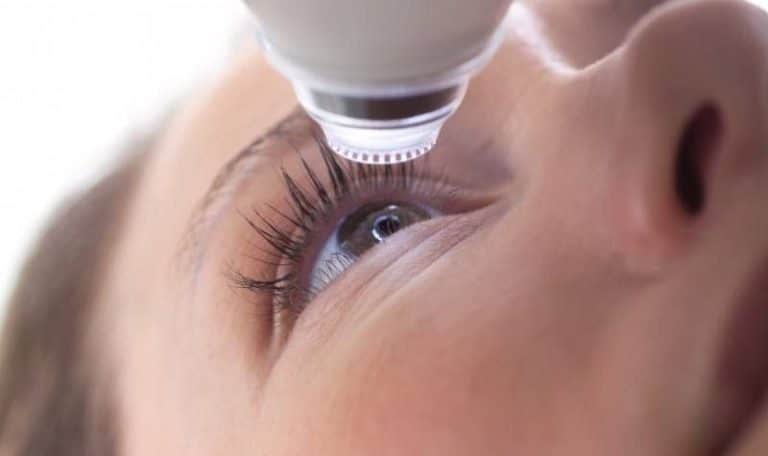
Laser eye surgeries have become common because they are highly effective, offer shorter recovery times, and carry fewer post‑operative complications. In the years following the introduction of laser vision correction, further advances were made—one of the most important being the use of the femtosecond laser.
Read also: My Experience with ICL Surgery (Implantable Contact Lenses)
What Is Femto LASIK?
Femto LASIK is a type of laser eye surgery used to reshape the cornea in order to correct vision problems. It is often used along with other advanced, heat‑resistant surgical techniques.
Earlier approaches involved creating or sculpting a corneal flap to correct refractive errors. This was first introduced in 1948 using a small surgical device with an oscillating blade called a microkeratome. This original, mechanically based method became known as Anterior Lamellar Keratoplasty (ALK). In the late 1980s and early 1990s, the technology behind this procedure improved significantly.
The femtosecond laser, developed in the early 1990s, allowed surgeons to create the corneal flap used in LASIK with a laser instead of a mechanical cutting tool. After surgery, the flap is repositioned without the need for stitches, which supports faster healing.
Types of Laser Eye Surgery
There are two main laser procedures currently used to reshape the cornea:
(Types would be listed here in the original article, such as:
1. Conventional LASIK
2. Femto LASIK / Femto-second LASIK / SMILE, etc.
Left as a heading placeholder as in the source text.)
Who Is the Ideal Candidate?
Criteria for candidacy would be listed here, such as:
– Stable vision prescription
– Adequate corneal thickness
– Absence of certain eye diseases, etc.
Left as a heading placeholder as in the source text.
Conditions That May Prevent Surgery
Certain medical conditions or eye problems may require more detailed discussions with your doctor or may rule out LASIK altogether. These considerations can include, for example, specific eye diseases, autoimmune conditions, pregnancy, or severely thin corneas, and should always be evaluated by a specialist.
How Much Does Femto LASIK Cost?
One drawback of refractive surgery is that it is usually considered an elective procedure, so most vision insurance plans do not cover it. However, you may be able to use a Health Savings Account (HSA) or Flexible Spending Account (FSA) to pay for some or all of the cost. Some insurance plans and LASIK centers may also offer discounts depending on your employer or insurance provider.
Contact Batal Medical Center in Jeddah to get a free medical consultation and learn all the details about the procedure, its necessity in your case, and its cost.
Other Factors That Can Affect the Cost Include:
Factors might include:
– The surgeon’s experience
– The laser technology used
– Pre‑ and post‑operative care
– Geographic location, etc.
Left as a heading placeholder as in the source text.
How Does Femto LASIK Work?
Refractive errors that may be addressed include:
– Myopia (nearsightedness)
– Hyperopia (farsightedness)
– Astigmatism
– Presbyopia (age‑related difficulty focusing up close)
Not all of these conditions can be fully corrected with refractive surgery. Laser vision correction only helps with problems that can be improved by reshaping the cornea.
The Femto LASIK Procedure
On the day of surgery, the following steps are typically taken:
– Numbing eye drops are applied so you don’t feel pain.
– A device is used to keep your eyelids gently open.
– The femtosecond laser creates a thin corneal flap.
– The flap is lifted, and an excimer laser is used to reshape the underlying corneal tissue based on your specific refractive error.
– The flap is then repositioned carefully, where it adheres naturally without stitches.
The entire procedure usually takes no more than 30 minutes per eye. You must arrange for someone else to drive you home after the surgery.
Are There Any Risks or Side Effects with This Type of LASIK?
As with any surgical procedure, Femto LASIK carries some risks. Every LASIK technique involves potential complications, such as:
– Dry eye symptoms
– Glare, halos, or starbursts around lights, especially at night
– Under‑correction or over‑correction of vision
– Infection or inflammation
– Temporary discomfort, burning, or a foreign‑body sensation
Complications Specific to Femto LASIK
These may include:
– Issues related to the corneal flap (such as an irregular flap)
– Transient light sensitivity syndrome (rare)
– Inflammation in the corneal interface
– Very rarely, ectasia (progressive thinning and bulging of the cornea), especially in at‑risk corneas
Your surgeon will evaluate your eyes thoroughly to minimize these risks.
What to Expect After Femto LASIK
After Femto LASIK, you may experience:
– Mild burning, itching, or discomfort in the eyes
– Blurry or hazy vision for the first few hours
– Sensitivity to light
– Watery eyes or tearing
Vision often begins to improve within 24 hours and continues to stabilize over the following days to weeks.
Aftercare Following Femto LASIK
Your doctor will provide detailed instructions for post‑operative care and recovery, which may include:
– Using prescribed antibiotic and anti‑inflammatory eye drops as directed
– Using lubricating (artificial tear) drops to relieve dryness
– Avoiding rubbing your eyes, especially in the first weeks
– Wearing protective shields at night for a short period
– Avoiding swimming pools, hot tubs, and eye makeup for a specified time
– Attending all scheduled follow‑up appointments to monitor healing and visual outcomes
Conclusion
Femto LASIK generally heals faster and is associated with fewer complications than traditional LASIK because it uses a laser instead of a mechanical blade to create the corneal flap.
The ultimate goal is to reshape the cornea with laser energy to correct vision problems such as nearsightedness and farsightedness. As with any medical procedure, there are risks, and the surgery can be costly and is rarely fully covered by insurance. It is important to discuss risks, costs, and realistic expectations thoroughly before undergoing LASIK.
You are encouraged to visit the Eye Center at Al‑Batal Specialty Hospital in Jeddah, which offers high‑quality medical services, experienced ophthalmologists, and comprehensive care throughout your treatment journey.
Read also: Tips After PRK (Surface Laser) Surgery
At Batal Specialty Complex in Jeddah, we provide Femto LASIK surgery using the latest technology to ensure the best possible results with minimal complications. The procedure is performed under the supervision of highly experienced ophthalmologists such as Dr. Issa BaEssa, Dr. Bara Faham, and Dr. Saud Al‑Johani, who are dedicated to delivering precise, safe surgery to improve your vision quickly and effectively. Contact us today for a free consultation and to learn more about the benefits of this advanced technique.