
Eyelid & Tear Duct Surgery
Eye puffiness or swelling around and under the eyes is often caused by excess fluid retention in the surrounding skin tissues. In children, eye inflammation is commonly associated with blocked tear ducts, which can lead to persistent tearing, discharge, and irritation.
Book your appointment or medical consultation today.
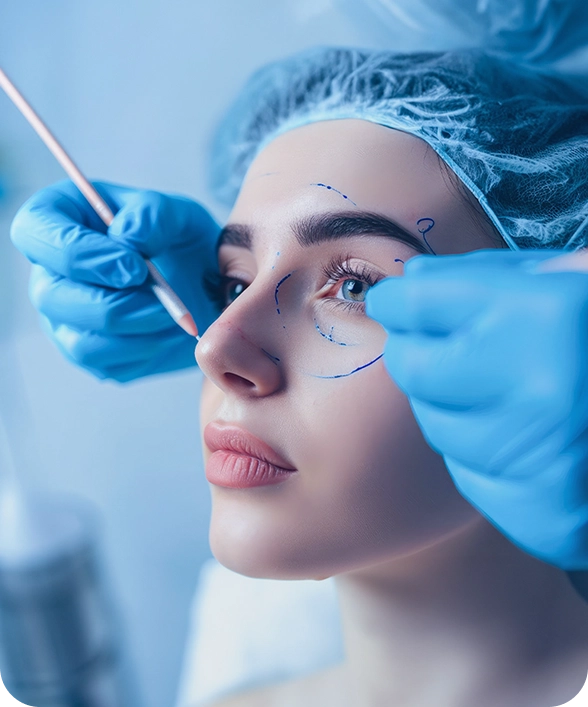
Eyelid Tightening Surgery Offers
6500
SAR
8000
instead of
Eyelid & Tear Duct Surgery in Jeddah
Eye puffiness or swelling around and below the eyes is often a sign of excess fluid retention in the surrounding skin tissues. In children, eye inflammation may be caused by a blocked tear duct. In adults, eye swelling is commonly associated with aging and the formation of fatty deposits under the eyelids. Eye infections may also affect one or both eyes.
Regardless of the cause, eyelid inflammation can be bothersome, aesthetically concerning, and in some cases affect vision. At Batal Specialist Medical Center, we offer advanced treatment options for eyelid conditions and tear duct disorders, helping restore comfort, eye health, and appearance.
How We Treat Eye Puffiness at Batal Specialist Medical Center
Eye puffiness cannot be effectively treated with creams or cosmetic products. In most cases, there are no non-surgical solutions that can eliminate this type of swelling. The only effective treatment is surgical intervention, which aims to enhance the aesthetic appearance while also improving eye function by removing excess skin, repositioning muscle tissue, and eliminating fat deposits. The primary goal of eyelid surgery is to reshape and refine the eyelids while eliminating eye puffiness. To achieve optimal results, we carefully evaluate preoperative factors and surgical outcomes. This meticulous approach ensures that our patients do not experience visible scarring on the upper or lower eyelids after surgery. The procedure is usually performed under local anesthesia for adults and under general anesthesia for children, ensuring comfort and safety throughout the treatment.
Frequently Asked Questions About Eye Puffiness
Is eye puffiness only seen in older adults?
Although eye puffiness is more common in older adults due to natural skin aging and tissue changes, it can also appear as a congenital condition in children shortly after birth. In adults, eye puffiness often occurs without other medical complaints. However, in some cases, it may be associated with underlying conditions such as macular degeneration, tumors, or infections.
Eyelid Surgery (Blepharoplasty)
Although eyelid surgery is often perceived as a cosmetic procedure, it is in many cases therapeutic and even preventive. Treating droopy or puffy eyelids can help prevent future eye conditions such as amblyopia (lazy eye) or permanent vision impairment. Many patients report not only dissatisfaction with their appearance, but also blurred vision. Some even mention tilting their heads back or manually lifting their eyelids with their fingers in order to see clearly.
Before performing eyelid correction at Batal Medical Center, patients undergo a comprehensive clinical evaluation. The ophthalmologist may request blood tests, X-rays, CT scans, and MRI imaging of the brain to ensure an accurate diagnosis. Treatment of droopy eyelids depends on several factors, including the patient’s age, the underlying cause of eye puffiness, the degree of eyelid drooping, and the presence of any other ocular abnormalities.
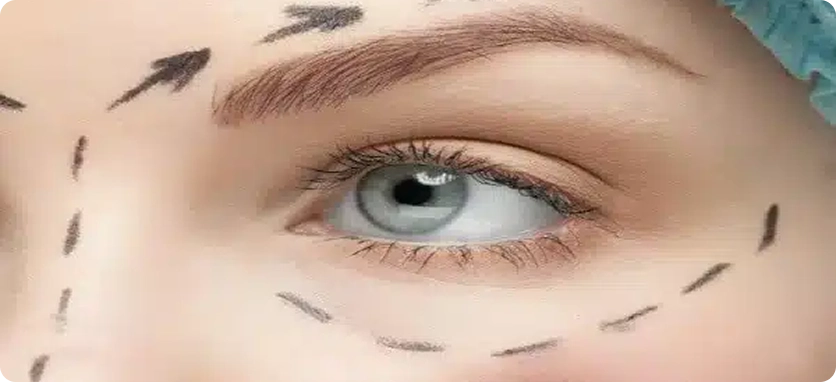
At Batal, eyelid surgery is performed using precise incisions placed along the natural creases of the upper and lower eyelids. This technique ensures that scars remain minimal and virtually invisible after healing.
Upper Eyelid Surgery
Upper eyelid surgery typically takes between one to two hours. Very fine surgical sutures are used, and patients usually return after four days for suture removal. Once the stitches are removed, the resulting scar is virtually invisible.
Postoperative swelling is normal and usually subsides within a few days. The overall recovery period ranges from 7 to 10 days, after which patients can safely resume their normal daily activities with improved comfort and vision.
Lower Eyelid Tightening Surgery
Lower eyelid surgery is slightly more complex than upper eyelid surgery, which is why it is usually performed under general anesthesia. After the procedure, there may be a very small, nearly invisible scar only if excess skin needs to be removed.
If there is no excess skin, the surgery is performed from the inside of the lower eyelid by gently pulling the eyelid away from the eyeball and removing the fat pads internally, without any external incisions. This technique typically takes about 30 minutes.
Recovery time is slightly longer compared to upper eyelid surgery, with most patients returning to normal activities within approximately two weeks.
What Does Eyelid Surgery Involve?
Eyelid surgery typically takes up to two hours, depending on the specific procedure being performed. It can be carried out under local anesthesia as a day procedure, or under general anesthesia, which may require an overnight stay. Upper eyelid surgery is most commonly performed under local anesthesia.
During the procedure, the surgeon makes precise incisions that follow the natural lines and folds of the eyelids. For upper eyelid surgery, the incision is placed within the natural crease of the eyelid. For lower eyelid surgery, it is made just below the lower lash line and may extend toward the outer corner of the eye.
Through these carefully placed incisions, the surgeon removes excess skin, tightens loose muscles, and eliminates excess fat around the eyes, resulting in a smoother, more youthful appearance and improved eye function.

What Are the Benefits of Eyelid Surgery?
Eyelid surgery offers both functional and aesthetic benefits, including:
Brighter, more youthful-looking eyes
Correction of early signs of eye aging
Improved vision in cases of eyelid drooping
Increased self-confidence
Easier application of makeup
Recovery & Aftercare Following Eyelid Surgery
Depending on the type of procedure performed, you may be able to return home on the same day or stay overnight in the hospital. If you go home the same day, you should not drive for at least 24 hours and should have a responsible adult stay with you overnight.
You may need pain relief medication to stay comfortable. Mild bleeding from the eyelids is normal for the first day or two and can be gently cleaned. Activities that increase blood flow to the face—such as straining, bending, or heavy lifting—should be avoided for several weeks.
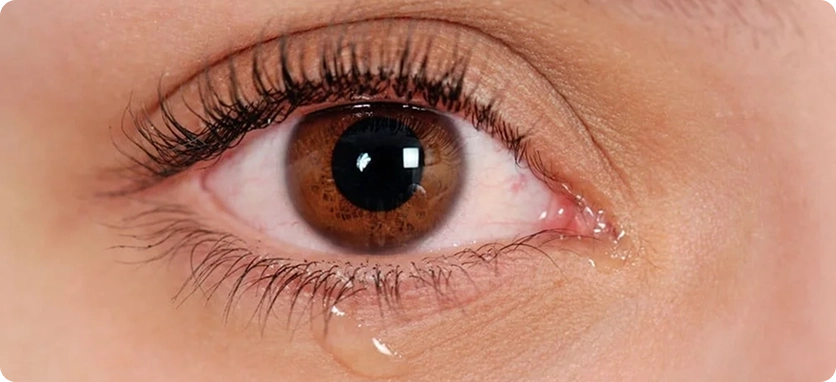
Watery eyes are common for a few weeks after surgery due to temporary swelling beneath the conjunctiva and in the tear ducts, which can affect normal drainage. Lubricating eye drops may help, and the eyes can be gently cleaned with moistened gauze.
Your eyelids may feel tight when closing, which is normal and results from swelling and skin adjustment. This will gradually improve as swelling subsides. Sleeping with extra pillows to keep your head elevated helps reduce swelling. Sutures are usually removed within 3 to 5 days.
Light activities can typically be resumed after one to two weeks, with gradual return to normal activity levels. You should only drive once you feel comfortable and confident to do so. Most patients return to work after about two weeks. Swelling around the eyes may take several weeks to fully settle, and final results may take a little longer to become fully visible.

Laser Eyelid Surgery
In reality, eyelid surgery cannot be performed exclusively using laser technology. However, a carbon dioxide (CO₂) laser can be used to make the initial skin incision instead of a traditional surgical scalpel.
Using laser for the incision may help reduce bleeding, minimize swelling, and promote faster healing, while the core surgical steps of eyelid correction remain the same as in conventional procedures.

After Eye Puffiness Removal & Eyelid Tightening Surgery
After eyelid surgery, it is essential to rest with your head elevated above body level while sleeping during the first 48 hours. Applying cold compresses or ice packs greatly helps in reducing swelling.
You will be able to wear prescription glasses 24 hours after the procedure, while contact lenses should be avoided for about one week. Light daily activities can usually be resumed from the third day, while strenuous activities, swimming, and sun exposure should be avoided.
It is normal to experience eye irritation, swelling, and bruising during the first one to two days after surgery. These symptoms may last from one to two weeks. Most patients can return to work after one week, provided they feel comfortable and not overly fatigued.
All normal activities, including exercise, can be gradually resumed starting from the third week. Initial signs of surgical success usually appear after about three weeks, while the final and most satisfactory results typically become visible after approximately six months.
Overall, eyelid surgery results are highly satisfying and lead to significant improvement in the appearance of the eye area and the face. In some cases, the shape or expression of the eyes may change after eyelid surgery (canthoplasty), enhancing the overall facial harmony.
We recommend avoiding direct sun exposure to the eyes for 6 to 12 months to prevent increased visibility of scars. However, sunglasses or sunscreen creams may be used after one month.
Eyelid surgery does not completely eliminate crow’s feet (lines at the corners of the eyes), but it significantly improves their appearance indirectly by tightening the eyelids.
Dark Circles:
With aging, thinning of the eyelid skin and loss of underlying fat tissue can cause dark discoloration under the eyes. In some cases, this is accompanied by under-eye bags, which can be treated using fat injections or tissue grafting after eyelid surgery.
Eye Inflammation & Swelling Due to Blocked Tear Duct
Have you ever noticed the connection between the eyes and the nose when someone cries? Excess tears normally drain through small tear ducts that connect the inner corner of the eye to the nose. When these tear ducts become blocked, the tears cannot drain properly, leading to continuous watering of the eyes.
A blocked tear duct is a common eye condition in both children and adults. When the duct is obstructed, fluid builds up inside, creating an ideal environment for irritation and infection. Over time, this can lead to persistent tearing, inflammation, discharge, and recurrent eye infections.
In children, a doctor may suspect a blocked tear duct if the child has excessive tearing without crying, accompanied by yellow discharge around the eye, but without redness or irritation. In some cases, redness and inflammation may appear if the blockage leads to infection around the eye.
This condition is most commonly seen in newborns during the first three months of life due to congenital abnormalities or incomplete development of the tear drainage system. In adults, blocked tear ducts can occur for various reasons, including infection, inflammation, injury, or age-related changes.
Causes of Blocked Tear Ducts in Adults
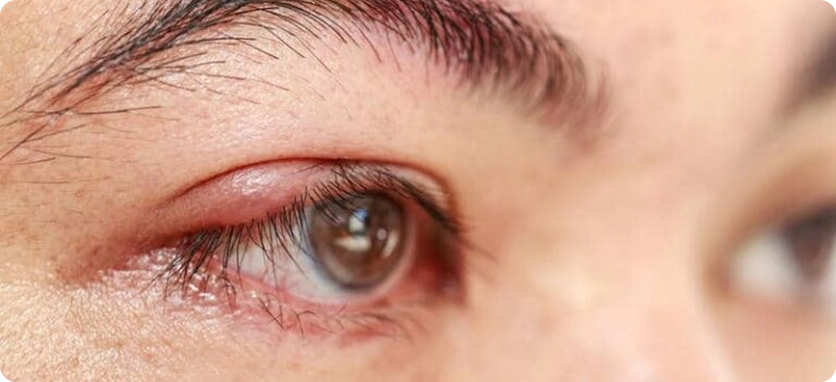
- The most common cause of tear duct blockage in adults is infection affecting the eye, the tear drainage system, or the nasal passages. Infections can lead to inflammation and narrowing of the ducts, preventing proper tear drainage.
- Eye injuries or trauma, such as a blow to the head or face, can also result in blockage of the tear ducts. Additionally, dust, debris, or foreign particles entering the eye may contribute to obstruction over time.
- Nasal bone fractures can interfere with the normal tear drainage pathway, while nasal polyps may physically block the ducts. Both benign and malignant tumors can also cause obstruction by compressing or invading the tear drainage system.
- Chronic conjunctivitis (pink eye) may lead to inflammation and scarring of the ducts, increasing the risk of blockage. Long-term use of medicated eye drops, such as those prescribed for glaucoma, may also contribute to tear duct obstruction.
- Individuals with recurrent or chronic eye infections are more prone to repeated episodes of blocked tear ducts. The risk also increases with age and with improper hygiene or disinfection of contact lenses.
Best Oculoplastic Eye Surgeons at Batal Specialist Medical Center
Oculoplastic Specialist at Batal Specialist Medical Center
With over 25 years of experience in oculoplastic and reconstructive eye surgery, Dr. Al-Najjar holds a Doctorate in Medicine and is a Fellow of the Royal College of Surgeons. He is also a Fellow of the American Academy of Ophthalmology, bringing extensive academic and clinical expertise to every case.
87 Reviews

Best Oculoplastic Eye Surgeons at Batal Specialist Medical Center
Batal Specialist Medical Center
Comprehensive Medical Care You Can Trust



Installments available up to 100% via Tamara & Tabby & Amwal