Med info
Eye Infections in Children: How Can You Protect Your Child? (2026)

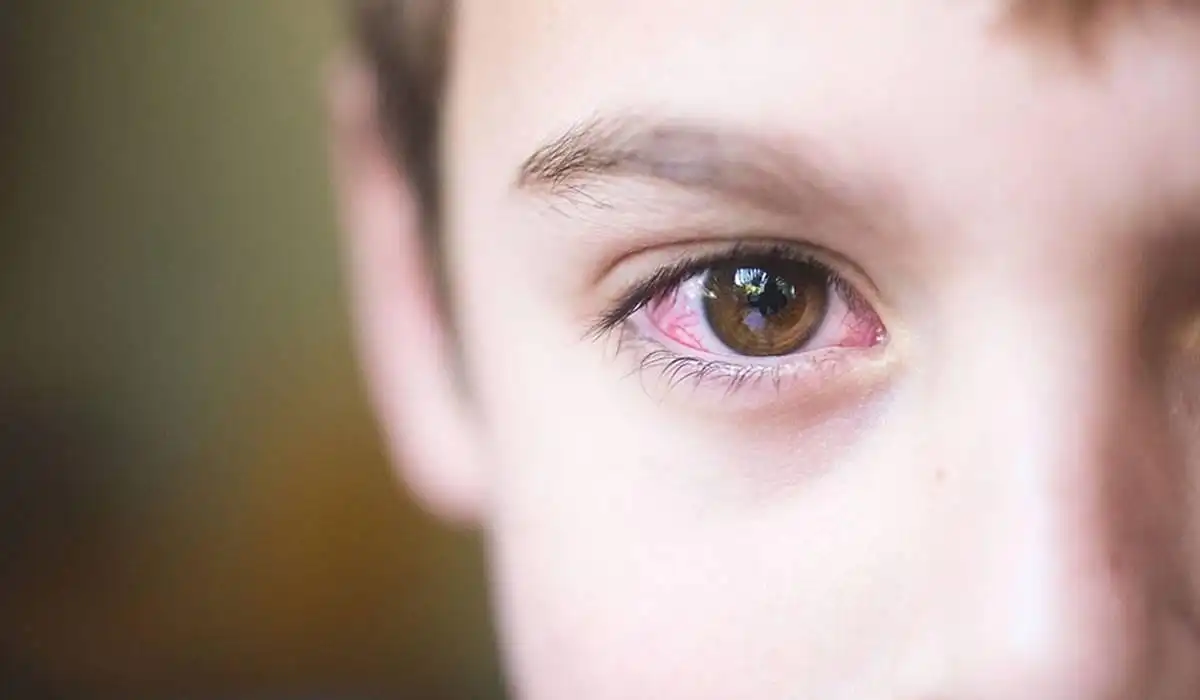
Eye infections in children are very common, and parents are always looking for their causes in order to prevent them as effectively as possible, as well as to learn about the treatment options available. At the Eye Center at Batal Specialty Complex, this article will walk you through eye infections in children in detail. We will review their main types and symptoms and offer a set of practical tips that help you prevent eye infections in your child.
Types of Eye Infections in Children
Eye infections in children come in several forms. Below is an overview of the most common types in detail:
Viral Conjunctivitis
Viral conjunctivitis (viral pink eye) is one of the most widespread eye infections in children. It is highly contagious and often spreads in crowded places and schools. It usually causes eye redness, burning, and watery discharge.
Bacterial Conjunctivitis
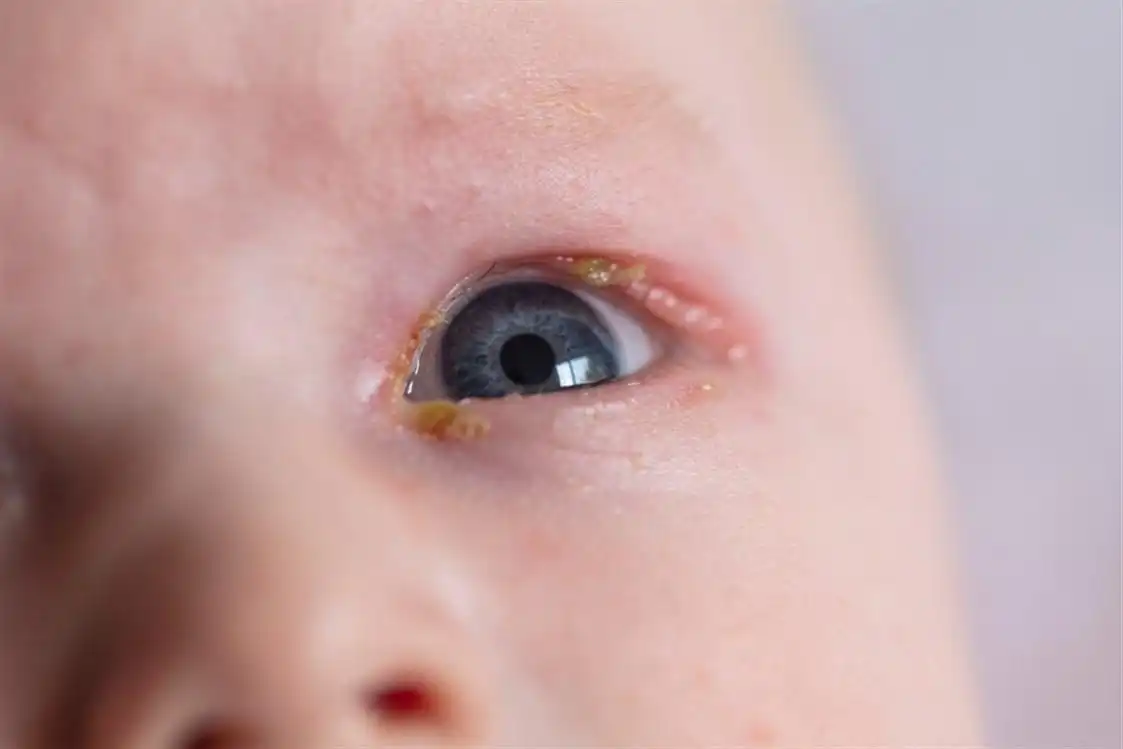
Bacterial conjunctivitis is another highly contagious eye infection. It causes eye pain and redness along with thick, sticky pus-like discharge. This form of conjunctivitis is especially common in school-aged children.
Allergic Conjunctivitis
Allergic conjunctivitis is an inflammatory reaction of the conjunctiva triggered by exposure to an allergen, such as dust or mold. It typically causes eye redness, itching, and swelling of the eyelids or conjunctiva, and it may be related to seasonal allergies.
Keratitis
Keratitis is an inflammation of the cornea, the clear, dome‑shaped tissue at the front of the eye that covers the pupil and iris. It can be caused by infections (viral, bacterial, fungal, or parasitic) or by noninfectious factors such as trauma or prolonged contact lens wear.
Read more: Corneal Inflammation
Uveitis
Uveitis is inflammation and irritation of the uveal tract, which includes the colored ring around the pupil (the iris). It often causes eye redness, pain, and sensitivity to light (photophobia). In many cases it is linked to infections or autoimmune conditions.
Retinitis
Retinitis is inflammation of the retina, the light‑sensitive tissue at the back of the eye. It primarily leads to blurred or distorted vision and may occur due to infections or other underlying systemic diseases.
Optic Neuritis
Optic neuritis is inflammation of the optic nerve, which can lead to partial or complete loss of vision. In children, it may be caused by pressure on the optic nerve, infections, or immune‑mediated conditions.
Also read: Overcoming Dry Eye: [Causes and Treatment] 2024

Causes of Eye Infections in Children
There are many possible causes of eye infections in children. The most important include:
Infections
Infectious causes of eye inflammation in children include:
– Viral infections, which are the most common in children
– Bacterial infections, which often cause purulent (pus‑like) discharge
– Fungal infections, which are relatively rare but can be serious
Fungi
Fungal organisms are among the important causes of eye inflammation in children. They include:
– Filamentous fungi
– Yeast-like fungi
These can cause conjunctivitis and are more commonly associated with blepharitis (inflammation of the eyelids).
Allergies
Allergic reactions are a frequent cause of eye inflammation in children. Common triggers include:
– Pollen
– Dust
– Pet dander
– Certain medications
Systemic Diseases such as Measles
Some systemic (body‑wide) illnesses can lead to eye inflammation, such as:
– Measles, which can cause eye redness and watery discharge
– Rheumatoid arthritis
– Diabetes mellitus
Injuries
Children may sustain cuts or scratches to the eye, or a foreign body may enter the eye. Any of these injuries can easily lead to eye inflammation and infection if not treated promptly.
Medications and Cosmetics
Certain eye drops may irritate the eyes and trigger inflammation. Using cosmetic products around the eyes (even in older children or adolescents) can also cause irritation or allergic reactions.
Also read: Learn about the Causes of Dry Eye
Symptoms of Eye Infections in Children
Common symptoms of eye infections in children include:
– Redness of the eye or eyelids
– Eye pain or a burning sensation
– Itching, especially in allergic conjunctivitis
– Watery, mucous, or purulent (pus‑like) discharge
– Swollen eyelids or swelling of the conjunctiva
– Sensitivity to light (photophobia)
– Blurred or decreased vision, depending on the type and severity of the infection
– A foreign‑body sensation or discomfort when blinking
Treatment of Eye Infections in Children at the Clinic
The doctor will begin with a comprehensive eye examination to identify the cause and type of infection. Based on these findings, the physician will prescribe the appropriate treatment, which may include:
– Antibiotic eye drops or ointments for bacterial infections
– Antiviral medications for viral eye infections in selected cases
– Antifungal drops for fungal keratitis or conjunctivitis
– Steroid or anti‑inflammatory eye drops for certain inflammatory conditions such as uveitis (under close medical supervision)
– Lubricating eye drops (artificial tears) to relieve dryness and irritation
– Systemic medications (oral or intravenous) if the eye condition is related to a systemic disease
Home Treatment for Eye Infections
Home care focuses on measures that help relieve the symptoms of eye infections in children, such as:
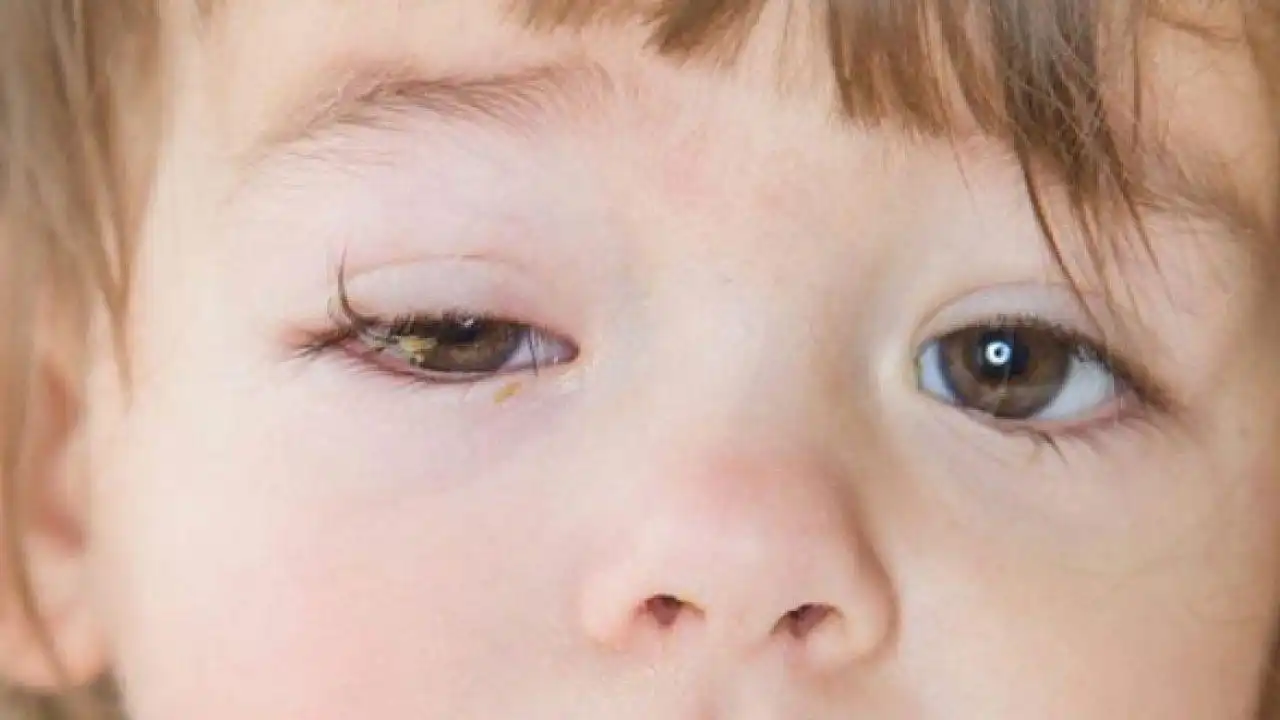
– Gently cleaning eyelid discharge with sterile gauze or cotton pads and clean water or saline
– Applying warm or cool compresses, depending on the type of infection and the doctor’s instructions
– Ensuring the child avoids rubbing or touching their eyes
– Keeping the child at home and away from school or daycare during the contagious period, especially in conjunctivitis
– Making sure the child uses their prescribed medications correctly and completes the full course
Also read: Treatment of Retinal Diseases and Follow‑up of Diabetic Retinopathy in Jeddah
Eye Drops for Treating Eye Infections in Children
The choice of eye drops depends on the underlying cause of the eye infection. It is essential to consult an eye specialist before using any eye drops in children, even over‑the‑counter products, to ensure safety and effectiveness.
Tips to Prevent Eye Infections in Children
The Eye Center at Batal Specialty Complex offers the following recommendations to help prevent eye infections in children:
– Teach and reinforce regular handwashing with soap and water
– Encourage children not to rub or touch their eyes
– Avoid sharing towels, pillows, or eye cosmetics
– Keep contact lenses (if used in older children) clean and follow proper wear schedules
– Reduce exposure to known allergens (dust, pollen, pet dander) where possible
– Ensure your child receives recommended vaccinations, such as the measles vaccine
– Seek prompt medical attention if you notice persistent redness, pain, or vision changes
By the end of this article, you will have gained a clearer understanding of eye infections in children and reviewed key information on their types, causes, and treatments. You can always contact us at the Eye Center in Batal Specialty Complex to obtain the most appropriate evaluation and treatment plan for your child’s condition.
Articles Related to Eye Inflammation
– Conjunctivitis in children
– Keratitis in children
– Uveitis in children
– Retinal diseases in children
Frequently Asked Questions About Eye Infections in Children
The appropriate treatment for an eye infection in a child depends on the cause and type of the infection.
Eye infections can be managed at home in some cases by:
– Keeping the eye area clean
– Using prescribed medications exactly as directed
– Preventing the spread of infection through good hygiene
You can distinguish between viral and bacterial conjunctivitis by the following:
– Viral conjunctivitis: usually watery discharge, often associated with cold or upper respiratory symptoms, and may affect both eyes sequentially
– Bacterial conjunctivitis: thicker, yellow‑green discharge that may cause the eyelids to stick together, often more pronounced in one eye at first
The duration of an eye infection in children varies according to the type of infection:
– Viral conjunctivitis may last 1–2 weeks
– Mild bacterial conjunctivitis often improves within a few days with treatment
– More serious infections such as keratitis, uveitis, or retinitis may require longer and more intensive therapy
The main causes of sudden eye redness or acute eye inflammation in children include:

– Acute viral or bacterial conjunctivitis
– Sudden allergic reactions
– Foreign bodies or trauma to the eye
– Abrasions of the cornea