
Med info
Eye Exams | Everything You Need to Know

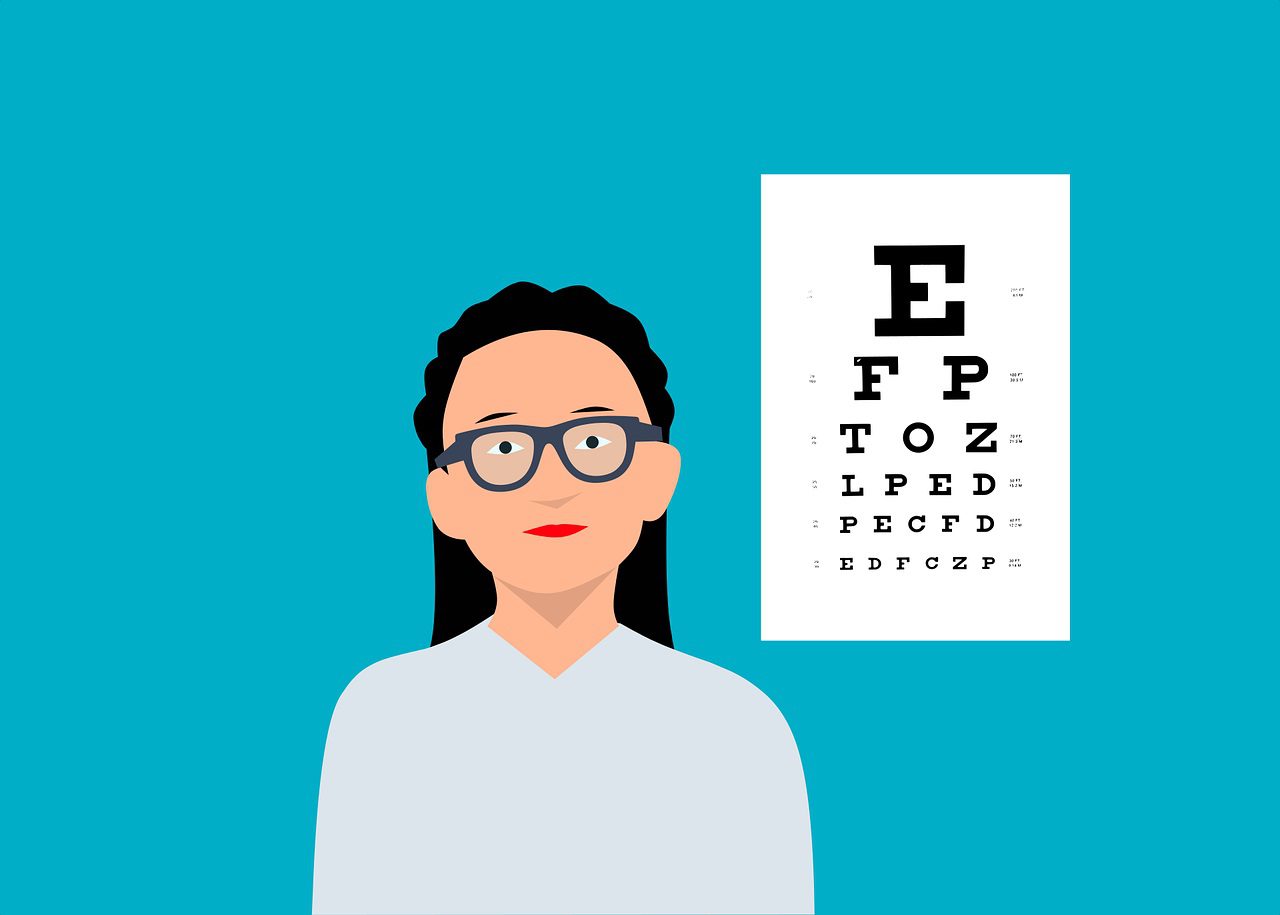
We rely on our eyes every day—from getting ready in the morning to reading road signs while driving. Because we use our eyes in so many ways, it’s essential to practice good eye-care habits and stay up to date with regular visits to an eye doctor. We recommend visiting the Eye Center at Batal Specialized Complex in Jeddah, Saudi Arabia, to help maintain healthy vision.
Routine eye exams should be a core part of everyone’s healthcare. Changes in eye health often occur gradually and may not cause any obvious symptoms. Regular eye exams at the Eye Center in Batal Specialized Complex in Saudi Arabia can help detect problems at an early stage, allowing treatment to start as soon as possible and reducing the risk of permanent eye damage.
Read also: Al-Dawaa Pharmacy | The most important medicines you should keep at home
Different Types of Eye Exams
If you’re looking for a clinical eye examination, the Eye Center at Batal Specialized Complex offers a wide range of eye-care services and different types of eye tests to evaluate your vision. During an eye exam, an eye-care professional will use a series of tests to assess how well you see and how healthy your eyes are. These tests may include:
Specialized Eye Tests
If a person has a diagnosed eye condition such as age-related macular degeneration or glaucoma—or has systemic conditions like diabetes or high blood pressure—they may need more specialized eye tests. In such cases, an optometrist or ophthalmologist may recommend:
Read also: How to Treat Blocked Tear Ducts in Infants
Comprehensive Eye Exam
This is the most common type of eye exam. Optometrists generally recommend having a comprehensive eye exam once a year for both adults and children. It gives them the opportunity to carefully check the anatomy of the eye and overall eye health before making a diagnosis. It may include tests such as a dilated eye exam.
Read also: Lower Eyelid Lift | How it’s done
Routine Eye Exam
This is for people who need a vision test to check specific visual concerns. What’s the difference between a comprehensive eye exam and a routine eye exam? A routine exam typically takes less than an hour and includes only visual acuity testing, pupil responses, eye movements, and intraocular pressure measurement. The goal is to assess eye health and look for refractive errors such as nearsightedness, farsightedness, or astigmatism.
Read also: Deep-Set Eye Cosmetic Surgery | Is it an option?
Contact Lens Exam
A contact lens exam is necessary to evaluate depth perception, visual acuity, and overall eye health before prescribing contact lenses, in addition to the tests included in a comprehensive eye exam. The eye doctor will also demonstrate how to insert and remove contact lenses safely.
Read also: Retinal and Vitreous Diseases & Surgery | Batal Specialized Complex Guide
Color Vision Test
There are several different tests to assess a person’s ability to distinguish colors. In some tests, the doctor will ask you to identify a number or letter hidden within a pattern of colored dots. In others, you may be asked to arrange objects or color samples of the same hue from darkest to lightest.
Read also: Cataract Surgery | Frequently Asked Questions
Strabismus (Eye Misalignment) Test
Strabismus in children can be detected by observing the direction of the eyes when the child looks at a particular object. One eye will fixate directly on the object, while the other eye may deviate inward or outward.
Astigmatism Test
The doctor checks the patient’s vision by having them read letters clearly on a chart to determine the degree of astigmatism. Some people may have as little as a quarter diopter of astigmatism, while others may have higher levels.
Dominant Eye Test (Left or Right Eye)
Most people have one dominant eye—an eye that works slightly harder than the other. Although both eyes are used to view an object, the dominant eye takes the lead. A dominant-eye test can determine whether the left or right eye is dominant. There are several techniques for this, including tests that use a small hole in a card, or tests involving rings and apertures. The Miles test is one commonly used method.
Read also: Driving After Cataract Surgery… Is it Possible?
Top Tips for an Accurate Eye Exam
Our physicians at the Eye Center in Batal Specialized Complex in Saudi Arabia have extensive experience performing eye exams. To help you prepare for the different types of eye tests you may undergo, we recommend the following:
By following these tips, the results of your eye exam are more likely to be accurate and reliable.
Read also: Information About Ultra LASIK
Why Eye Exams Are Important
Everyone should have regular eye exams, although how often you need them depends on your age, general health, and risk of eye disease. Optometrists usually recommend an eye exam every two years. You may need more frequent exams if you have a medical condition such as:
You may also need additional eye tests if you have a diagnosed eye condition such as:
It’s also a good idea to have your child’s eyes checked before they start school, as undiagnosed vision problems can interfere with their ability to learn and develop. Optometrists at the Eye Center in Batal Specialized Complex examine the eyes, test vision, and prescribe appropriate eyeglasses and contact lenses.
Read also: What Is Eye Drop for Red or Inflamed Eyes?
There are different types of eye exams, including comprehensive eye exams, routine vision exams, and contact lens exams. Depending on when your last exam was and what type of vision correction you use, your optometrist may choose a different testing approach.
Comprehensive eye exams are very thorough. However, optometrists may use fewer tests during a routine eye exam and focus primarily on checking vision and how your prescription may have changed since your last visit. All eye exams performed at the Eye Center in Batal Specialized Complex are precise and reliable, thanks to the expertise of the medical staff and the advanced diagnostic technology available.

Batal Specialized Complex in Saudi Arabia is considered one of the leading and most advanced medical centers in the field of eye care and treatment. Its reputation continues to grow thanks to the excellent outcomes achieved by its physicians, as well as its use of state-of-the-art technologies for eye diagnosis and treatment. If you are experiencing any eye problem, schedule an appointment at Batal Specialized Complex to receive the best possible medical consultation from a qualified ophthalmologist at the Eye Center.