
Med info
Eye Diseases | What’s Normal and When Should You See an Eye Doctor?

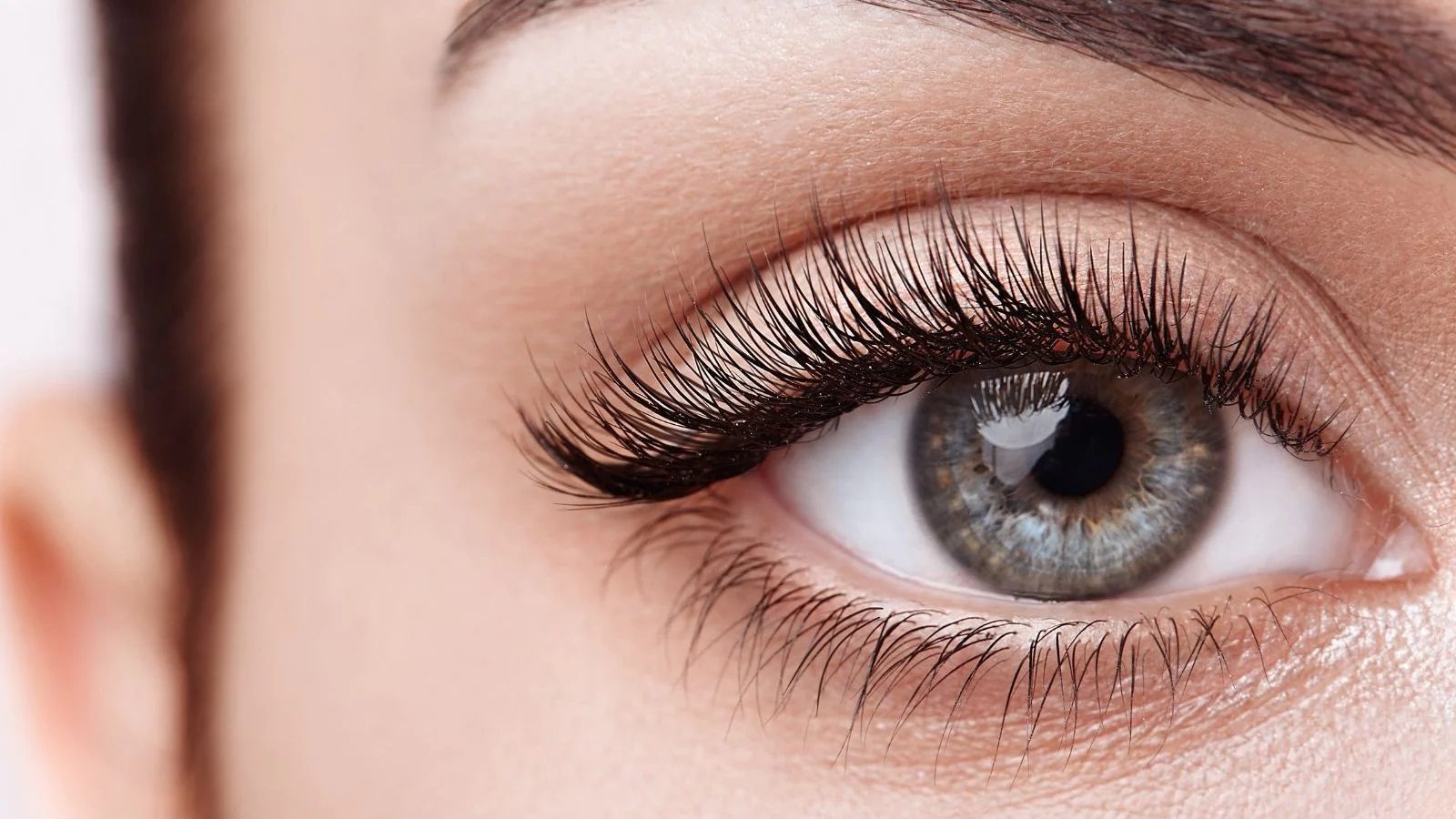
Having regular eye exams is extremely important for staying on top of your eye health. Don’t hesitate to contact the Eye Center at Batal Specialized Complex in Jeddah, Saudi Arabia if you notice any eye problems, as this center helps patients achieve the best possible outcomes for clear vision. Keep reading to understand what’s considered normal and when it’s time to get in touch with them.
Also read: What Causes Broken Blood Vessels in the Eye?
Dry Eye
Everyone feels their eyes a bit dry or itchy from time to time. There are many possible reasons for this, such as allergies, spending long hours in front of screens, and more. If someone experiences occasional dry or itchy eyes, especially in spring and fall or after staring at screens for too long, they may not necessarily need to rush to find an optometrist for a solution. In many cases, mild dryness and itching will go away on their own.
However, if you notice persistent dryness or ongoing discomfort, it’s wise to see an eye doctor. Dry eye is a chronic eye condition that occurs when the eye lacks a healthy tear film, which is normally made up of water, oil (lipid), and mucus. A healthy tear film is essential for good, clear vision.
Dry eye can negatively affect vision, especially if it’s not treated properly. When you visit the Eye Center at Batal Specialized Complex in Jeddah, Saudi Arabia, they can offer in‑office or procedural treatments to relieve your symptoms and help you feel better in a short time.
Also read: How Long Does Eye Strain Last?
Double Vision
No matter the situation, if you experience double vision, it’s best to visit an eye doctor at the Eye Center in Batal Specialized Complex as soon as possible. There are two main types of double vision: monocular and binocular.
Monocular double vision (in one eye only) can be caused by other eye conditions such as dry eye or astigmatism. Binocular double vision (seen with both eyes open) happens when the eyes are not aligned and are pointing in different directions.
The Eye Center at Batal Specialized Complex in Saudi Arabia can help determine the underlying cause of double vision, how to treat it, and how to relieve the associated symptoms.
Also read: When Can I Rub My Eyes After LASIK?
Floaters and Flashes
Eye floaters are extremely common and tend to increase with age. They are usually harmless, appear spontaneously, and in most cases do not require treatment. Surgery is the only definitive treatment for floaters, but it is rarely recommended because they are generally benign.
However, floaters accompanied by flashes of light are more concerning. This combination can be a sign of a more serious condition, such as a retinal detachment or retinal tear. In such cases, it is crucial to seek medical care immediately. Retinal detachment can be treated, but if it is not managed promptly, it can lead to serious complications such as permanent vision loss in the affected eye or even blindness.
Also read: Information About Ultra LASIK
Difficulty Seeing at Night

Many people experience night blindness, where they see well in good lighting but struggle to see in dim or dark environments. This issue becomes more common with age, but it’s important to pay attention to how severe it is, as it may point to another underlying diagnosis.
Difficulty seeing at night can be a sign of cataracts. The only effective treatment for cataracts is surgery, which generally has a very high success rate.
Consulting the Eye Center at Batal Specialized Complex can greatly help in making these decisions and will benefit your long‑term clarity of vision.
Also read: Is There an Age Limit for LASIK Surgery?