Med info
Exotropia: Causes, Types, Symptoms, and Treatment

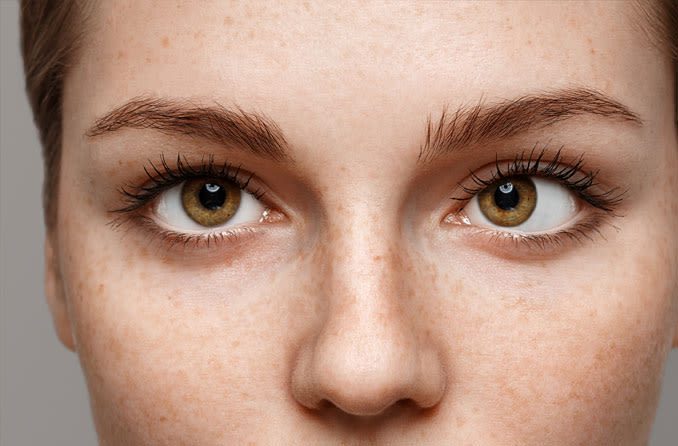
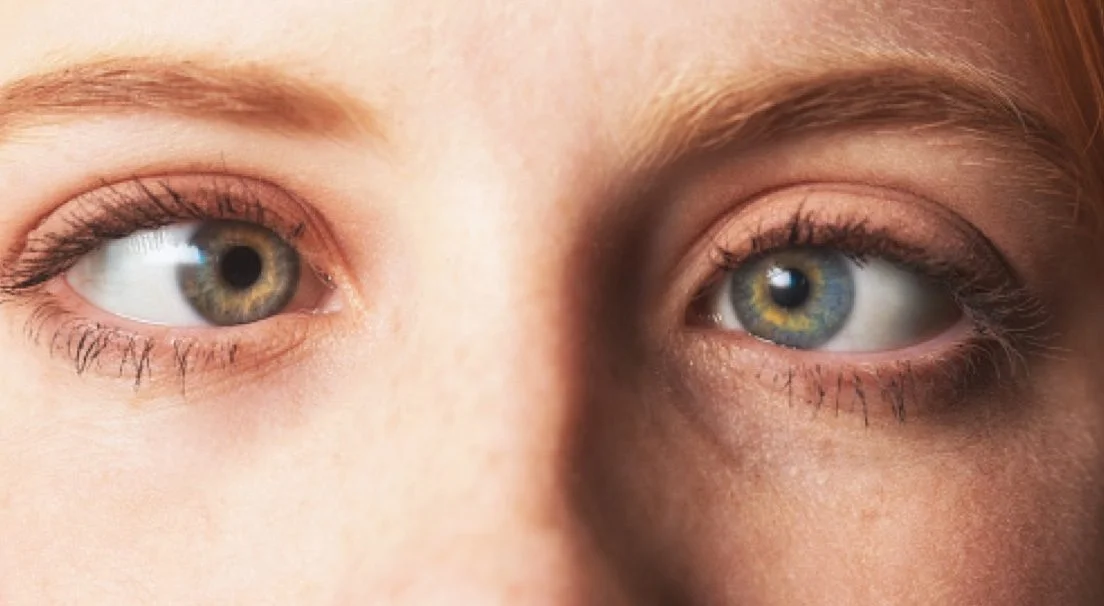
Exotropia is a form of strabismus (eye misalignment) in which one or both eyes turn outward, away from the nose. It is essentially the opposite of crossed eyes (esotropia). Exotropia is a common type of strabismus that can affect anyone at any age, although it is usually diagnosed early in life and accounts for up to 25% of all eye misalignment cases in young children.
Read also: Benefits of Patching the Healthy Eye
Types of Exotropia
Exotropia is generally classified according to type as follows:
Congenital (Infantile) Exotropia
Congenital exotropia, also known as infantile exotropia, is present at birth or appears in early infancy. People with this condition have a constant outward deviation of one or both eyes from birth or early childhood.
Sensory Exotropia
In sensory exotropia, poor vision in one eye causes it to drift outward and stop working together with the straight (fixating) eye. This type of exotropia can develop at any age when there is significant vision loss in one eye.
Paralytic or Secondary Exotropia
This form of exotropia results from a disease, trauma, or another medical condition, particularly those that affect the brain. For example, a stroke or Down syndrome can increase the risk of developing this type of exotropia.
Intermittent Exotropia
This is the most common form of exotropia and occurs about twice as often in females as in males. In intermittent exotropia, one eye occasionally turns outward, often when the person is tired, ill, daydreaming, or looking at distant objects. At other times, the eyes remain straight. These episodes may be infrequent at first but can become more frequent and eventually constant over time.
Read also: Retinal Examination
Symptoms of Exotropia
When the eyes are not properly aligned and do not work together, they can cause a variety of visual and physical problems. For evaluation and management, you should visit the Eye Center at Al Batal Specialized Complex in Jeddah, which includes experienced ophthalmologists, specialists in strabismus, and fully equipped eye clinics.
Vision-Related Symptoms
When the eyes do not focus together, two different images are sent to the brain:
one image from the properly aligned eye and another from the deviated eye.
To avoid double vision, the brain may suppress (ignore) the image coming from the misaligned eye. This can lead to amblyopia (lazy eye), in which the visual development of the turned eye is weakened, causing reduced or even permanent loss of vision in that eye if not treated early.
Other Symptoms of Exotropia
Other possible signs and symptoms may include:
– Outward drifting of one or both eyes, especially when tired or daydreaming
– Squinting or closing one eye in bright light
– Eye strain or headaches
– Difficulty with depth perception
– Frequent rubbing of the eyes
– Complaints of blurred or double vision (particularly in older children and adults)
Complications
Exotropia can lead to several complications. The following may be warning signs of exotropia or its consequences:
– Persistent outward eye deviation
– Loss of binocular vision (eyes not working together)
– Decreased depth perception
– Amblyopia (lazy eye), especially in children
Myopia (nearsightedness) is also common in people with this condition. According to a study in the field of ophthalmology, more than 90% of children with intermittent exotropia developed myopia by the time they reached 20 years of age. The study also indicated that myopia progressed regardless of whether or not the exotropia itself was treated.
Causes of Exotropia
Exotropia develops when there is an imbalance in the eye muscles or a problem in the signals between the brain and the eyes. In some cases, an underlying medical condition—such as cataracts or a stroke—can contribute to the development of exotropia. The condition can also be inherited.
About 30% of children with strabismus have a family history of the condition. When there is no clear family history, disease, or associated condition, doctors are often unsure why strabismus, including exotropia, develops.
Exotropia is not believed to be caused by watching TV, playing video games, or using computers. However, these activities can cause eye fatigue, which may make an existing exotropia appear worse or more noticeable.
Read also: Causes of Blurred Vision and Everything You Need to Know
Diagnosis of Exotropia
Diagnosis is usually based on medical and family history along with a comprehensive eye examination. The ophthalmologist will perform several vision and alignment tests, which may include:
– Visual acuity testing (to measure how well each eye sees)
– Cover–uncover and alternate cover tests (to detect and measure eye deviation)
– Refraction test (to determine the need for glasses)
– Examination of eye movements and muscle function
– Slit-lamp and dilated fundus examination (to assess eye health and rule out other causes)
Treatment of Exotropia
If exotropia appears early in life and the deviation is mild and infrequent, the doctor may initially recommend observation and regular follow-up. Treatment is usually advised if the exotropia worsens, becomes more frequent, or does not improve—especially in young children whose visual system and eye muscles are still developing.
The main goal of treatment is to align the eyes as much as possible and improve vision and binocular function. Treatment options may include:
Eyeglasses or Contact Lenses
Correcting refractive errors (such as myopia or hyperopia) can help some patients maintain better alignment and reduce eye strain.
Prism Glasses
Prisms can be incorporated into eyeglass lenses to reduce double vision and help the eyes work together more comfortably in some cases.
Vision Therapy / Orthoptic Exercises
Specialized eye exercises, usually prescribed and supervised by an eye care professional, can sometimes improve control over intermittent exotropia and enhance binocular vision and fusion.
Patching (Occlusion Therapy)
If amblyopia (lazy eye) is present, the stronger eye may be patched for a certain number of hours a day to force the weaker eye to work and improve its vision.
Botulinum Toxin (Botox) Injections
In selected cases, botulinum toxin may be injected into specific eye muscles to temporarily weaken them and improve alignment. This is less common than surgery but can be an option in some situations.
Surgery
In some cases, the doctor may recommend strabismus surgery to reposition or tighten/loosen certain eye muscles to realign the eyes. Surgery is usually done under general anesthesia in children and with local or general anesthesia in adults. Sometimes more than one operation is needed over time.
In adults, surgery typically does not restore lost vision, but it can significantly improve eye alignment, appearance, and sometimes binocular function. Many adults choose surgery primarily to have straighter-looking eyes and to reduce social or functional difficulties associated with noticeable misalignment.
Read also: Best Ways to Treat Blurred Vision
Prognosis
Exotropia is common and often treatable, especially when it is diagnosed and managed at an early age. By about 4 months of age, a baby’s eyes should generally be aligned and able to focus together. If any persistent misalignment is noticed after this age, the child should be evaluated by an ophthalmologist.
Experts have observed that untreated exotropia tends to worsen over time and rarely improves on its own. For this reason, it is important to visit the Eye Center at Al Batal Specialized Complex in Jeddah and schedule an appointment. It is considered one of the leading centers in the Middle East, distinguished by its expert staff, advanced equipment, and comprehensive clinical and technical services.
Read also: How to Treat Retinal Damage