Med info
Everything You Need to Know About Orbital Rim Fracture

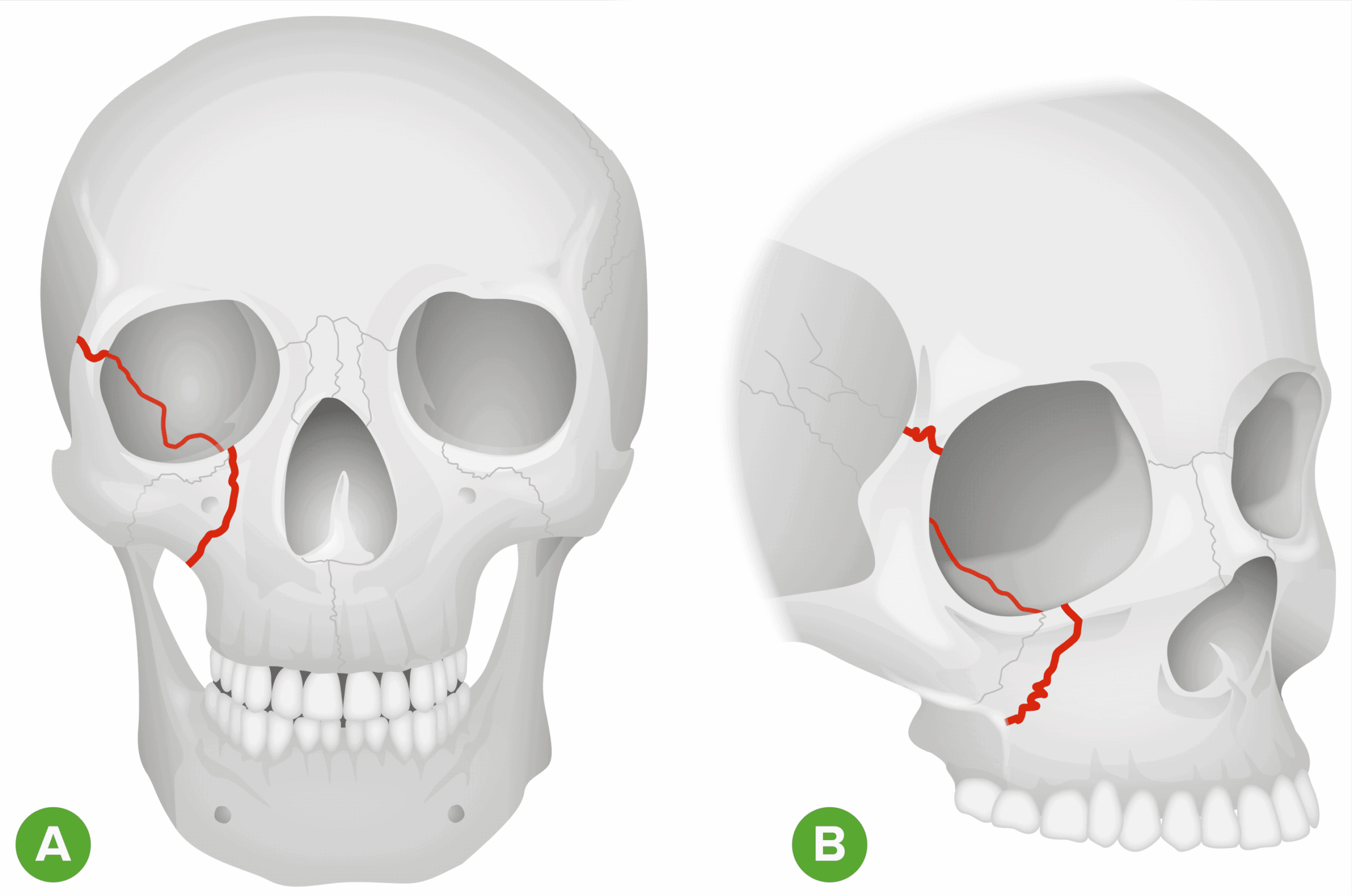
The orbital rim (eye socket) is a group of bones that surround and protect the eye. The bones around the eye form the walls and floor — the sides and base — of the orbital cavity, and they differ in thickness.
The rim itself is made of thick bones that are harder to break. The base of the rim includes part of the cheekbone (zygomatic bone), while the upper rim includes part of the frontal bone in the forehead. Other parts of the orbit — including the floor and the areas next to the nose — are much thinner and more likely to fracture.
You can visit the Eye Center at Batal Specialized Complex in Saudi Arabia for comprehensive eye examinations and medical testing performed by top specialists to ensure your eyes are healthy.
Read also: What Is Conductive Keratoplasty?
Orbital Hemorrhage
What Causes an Orbital Rim Fracture?
The main cause of an orbital rim fracture is a strong blow to the face. This may be from a ball, a fist, a steering wheel, or any other object that hits the face with enough force to break the orbital bone.
Most orbital fractures — and eye trauma in general — result from accidents, and only rarely from intentional violence. Men are about four times more likely than women to suffer an orbital rim fracture.
Read also: Endoscopic Orbital Decompression Surgery and Everything You Need to Know
What Are the Types of Orbital Rim Fractures?
An orbital rim fracture is also known as an eye socket fracture. Several parts of the orbit can break at the same time, especially when the injury is caused by a powerful blow to the face. Different types of orbital fractures include:
Read also: Everything You Need to Know About Pterygium Surgery
What Are the Symptoms of an Orbital Rim Fracture?
Symptoms of an orbital rim fracture depend on the type and severity of the break. They may include:
Read also: Entropion Repair – Definition, Types, Treatment, and Causes
How Is an Orbital Fracture Treated?
The doctor will examine eye function, and if a fracture is suspected, the patient will need imaging such as a CT scan (computed tomography), an MRI scan (magnetic resonance imaging), or a similar technique.
If the fracture is mild, surgery may not be necessary. Even some vision problems can gradually improve on their own without surgical treatment.
Indirect orbital fractures usually do not require surgery unless another part of the eye becomes trapped in the fracture, or more than 50% of the orbital floor is broken. In many cases, this type of fracture heals best when left alone.
Instead of surgery, the doctor may recommend:
The doctor might prescribe antibiotics to prevent infection. If the fracture is severe or involves multiple parts of the orbit, the patient will need surgery.
The goals of orbital fracture surgery include:
There are several risks associated with orbital surgery, including:
Read also: Eye Massage | Detailed Information About Eye Massage
What to Expect After Orbital Rim Fracture Surgery
The doctor will obtain imaging of the orbit immediately after surgery or within a few days. The patient will also need follow‑up imaging three to six months later to make sure the orbit is healing properly. The doctor will also want to ensure that meningitis has not developed.
The patient must avoid blowing the nose for 10 days, avoid diving for six weeks, and avoid flying in a military aircraft for six weeks after surgery. It is important to see a doctor at the Eye Center in Batal Specialized Complex in Saudi Arabia if you have suffered significant eye trauma and develop any symptoms of an orbital fracture.

Batal Specialized Complex in Saudi Arabia is considered one of the leading and most advanced medical centers in the field of eye care and eye disease treatment. The complex is gaining more recognition every day thanks to the strong reputation of its physicians and its use of state‑of‑the‑art technologies for eye diagnosis and treatment. If you suffer from any eye problem, make an appointment at Batal Specialized Complex to receive the best medical advice from a specialized ophthalmologist at the center.
Read also: Healthy Nutrition | Everything You Need to Know and Its Impact on the Eyes