Med info
Everything you need to know about double vision: causes, symptoms, and treatment

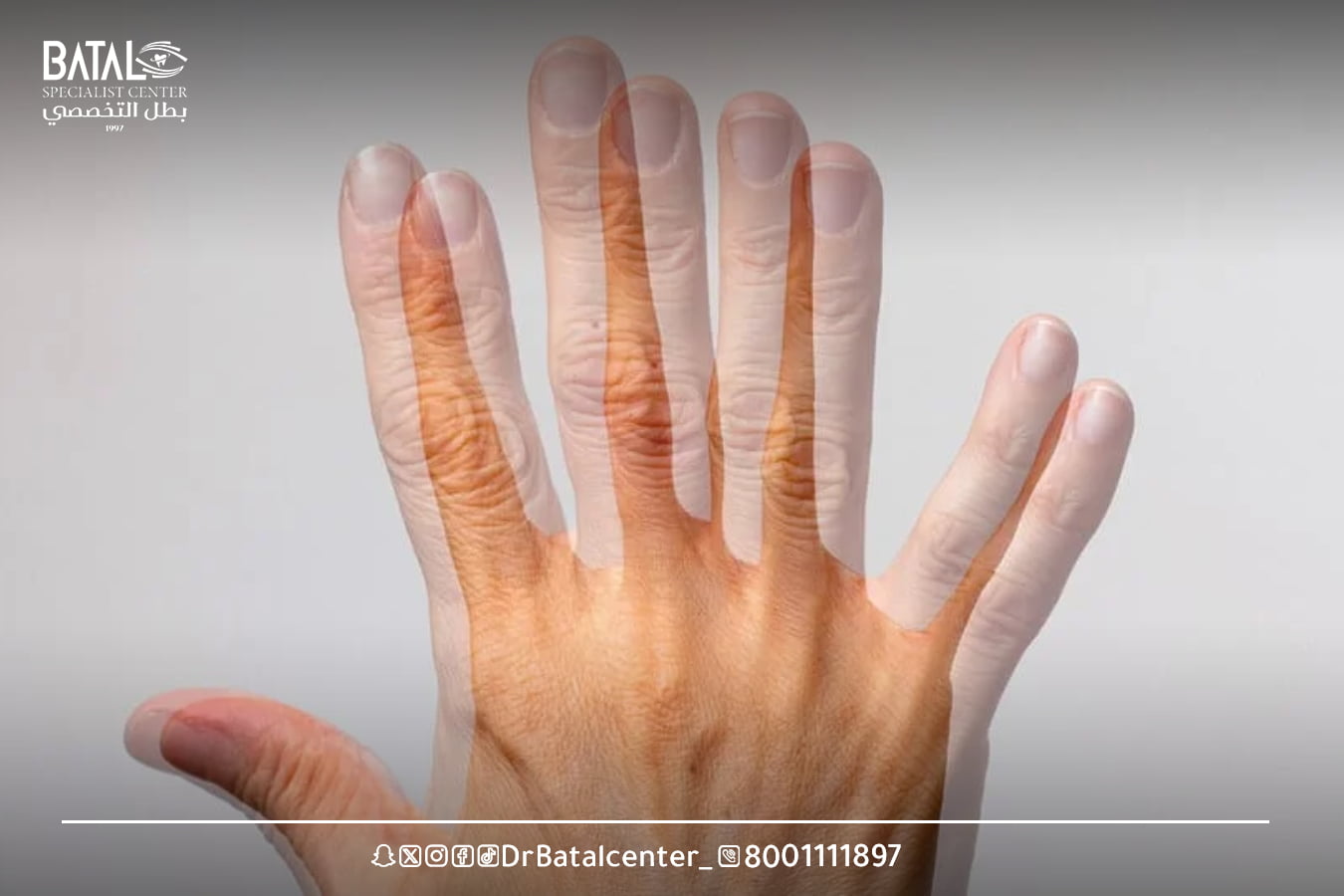
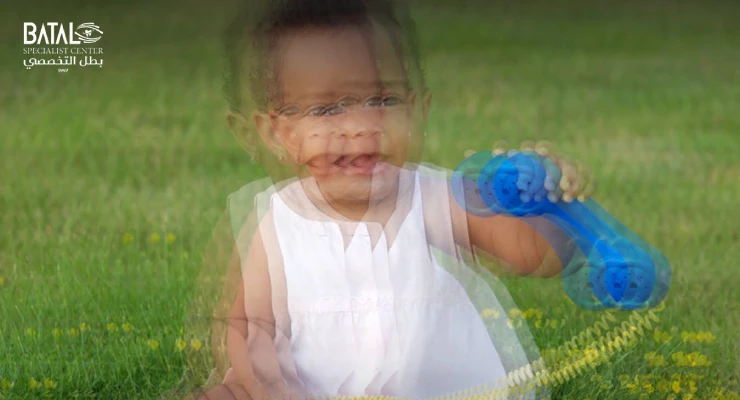
Double vision or diplopia (Diplopia) is a condition in which the eyes are unable to send one identical image to the brain, so the patient sees two images of the same thing, either adjacent or on top of each other.
This condition may be temporary and simple, resulting from eye strain, or an indication of a more serious condition related to the cornea, lens, eye muscles, nerves, or brain.
In this guide from Batal Specialized Eye Complex in Jeddah, we carefully explain the types of double vision, how to diagnose them, and the appropriate treatment methods for each case.
What is double vision (intercession)?
Double vision, scientifically known as double vision, diplopia, is an eye problem that causes a person to see two different or overlapping images of the same object.
Intercession occurs when light does not reach the retina at the same point. Double vision can be a temporary or permanent condition or it can come and go.
Double vision can be caused by a variety of conditions or diseases, ranging in severity from a minor inconvenience to a major or even fatal problem. There are three possible directions for dual images: vertical, horizontal, or oblique.
Types of double vision and the causes of each type
Double vision depends on what type you may have. These include:
Single double vision
It continues in one eye when the other is closed. It is common and less dangerous. The problem could be with your eyes or an underlying problem with your body.
Dual dual vision
A type of double vision that only occurs when both eyes are open. It may be caused by misaligned eyes, stroke, and a brain aneurysm
Sudden double vision
Double vision that comes on suddenly can be a sign of an underlying serious condition, such as a stroke, brain injury, or neurological disorder. Sudden double vision requires immediate medical attention.
Double vision in one eye
Single double vision occurs when only one eye is affected. This could be due to problems with the eye or visual system in that individual eye.
Double vision after vision correction surgeries
Double vision is a known potential side effect of LASIK eye surgery. This is usually caused by high-level deviations in the cornea after a laser reshaping procedure. Most cases resolve within the first few months, but in some cases double vision can persist.
Causes of double vision
The causes of double vision vary depending on the duration and location of the problem in the eye, nerves, or brain.
First: Temporary (often simple) reasons
Eye strain or fatigue.
Wear new glasses or lenses before the eyes adjust.
Severe dry eyes.
Migraine Headache(Migraine).
Alcohol poisoning or certain medications that affect the nerves
Second: Causes related to eye problems
| result | Examples of why | affected part |
| Distortion of the image reaching the retina | Dehydration – inflammation – scarring after surgery or injury | Cornea |
| Seeing double images or shadows | Cataracts (white water) | Lens |
| Loss of eye alignment | Strabismus – muscle weakness – Graves’ disease | eye muscles |
| Overlapping images instead of unifying them | Myopia – farsightedness – astigmatism | breaking |
Third: Neurological causes that require medical evaluation
- Paralysis of the oculomotor nerves.
- Myasthenia gravis (disorder of nerve-muscle connection).
- Multiple sclerosis.
- Stroke or brain injury.
If double vision appears suddenly or with dizziness / weakness/difficulty speaking → you should see a doctor immediately.
For a more detailed explanation of the causes of double vision and how to differentiate between serious and simple cases, you can read: Causes of double vision in adults and how to deal with them.Paralysis of the oculomotor nerves.
Myasthenia gravis (disorder of nerve-muscle connection).
Multiple sclerosis.
Stroke or brain injury.
If double vision appears suddenly or with dizziness / weakness/difficulty speaking → you should see a doctor immediately.
Symptoms of double vision that require a visit to the doctor
Symptoms of double vision include headache, pain around and when you move your eyes, nausea, blurry or distorted vision in one or both eyes, and dizziness, as follows:
- Headache
A person with double vision may also experience headaches, which are described as pain in the head or face that can feel like palpitations and constant or sharp pressure. Double vision may occur where the headache can be centered around or behind the eye, which can affect a person’s vision, usually causing blurred vision and sometimes double vision.
- Pain around and when you move your eyes
A person with double vision may feel pain around the eye when moving their eyes. If you experience pain in and around your eyes, it is important to book an eye test appointment so your eye doctor can evaluate your vision and eye health.
- Nausea
People with intercession may experience nausea due to disturbances in their vision. Seeing two different objects when looking at just one of them can cause dizziness which can also lead to nausea.
- Blurred or distorted vision in one or both eyes
Blurred or distorted vision in one or both eyes commonly occurs in people with single double vision. Single double vision causes images to overlap and blur, often called shadows. People with cataracts can experience this type of vision.
- Dizziness
Dizziness is usually experienced by those with double vision. This can be due to a person’s distorted vision as seeing two different or overlapping images of one object can cause a person to feel dizzy. Dizziness caused by intercession usually causes a feeling of imbalance rather than a feeling of spinning.
When is double vision dangerous and requires urgent medical intervention?
Double vision is often temporary and produces minor symptoms, however, if this eye condition becomes more severe and persistent, it is important that your eyes are evaluated by an ophthalmologist at Hero Specialist Complex. Some symptoms you should be concerned about enough to book an eye test or doctor’s appointment include nausea, pain around your eyes, unsteady gait, and dizziness.
Serious conditions that can cause double vision include stroke, aneurysm, and multiple sclerosis.
Diagnosis of double vision at Batal Specialized Complex in Jeddah
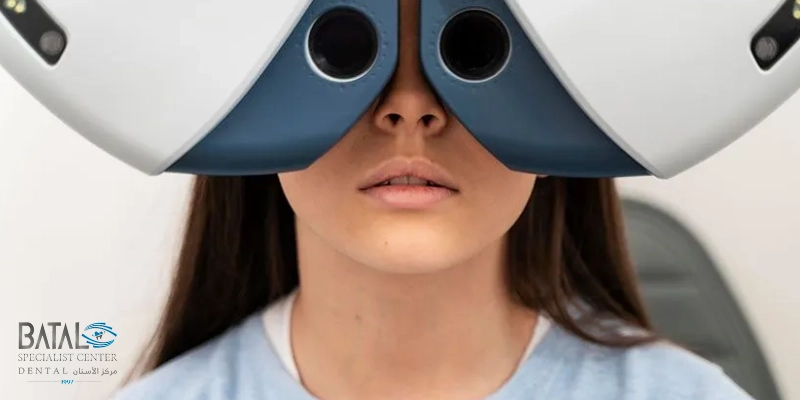
An eye examination, including evaluation of medical history and examination for eye dysfunction, is necessary to diagnose double vision, as follows:
A complete history of your symptoms: Your doctor can help you check for possible causes and determine which tests may be helpful if you fully describe your vision problems. If you notice any unexpected symptoms, even if you don’t think they have anything to do with your visual problem, be sure to report them to your doctor.
Your personal health history: Your doctor may consider underlying factors such as diabetes, thyroid problems, or neurological disorders that may be causing your vision problems.
Your family health history: Tell your doctor if any member of your family has conditions that can cause double vision. These problems may serve as a solid basis for your diagnosis.
Physical examination
A thorough physical examination can help your doctor determine the possible cause of your double vision. This test may include:
Blood tests to look for infection.
Eye examination and fundus examination.
Eye movement tests.
Toxicity tests.
Blood sugar readings.
Imaging tests, such as CT scans or MRIs.
The examination also includes an assessment of the function of the eye muscles and nerves and an examination of the lens and cornea to determine if there is any damage.
Methods of treating double vision according to the cause
Here are the most important treatments for double vision:
- emporary cases
For short-term temporary double vision, treatment usually focuses on the underlying cause:
- Eye strain or fatigue – Rest your eyes, use eye drops to treat dry eyes, and adjust the brightness of the lighting/screen.
- Migraine: Treating headaches with medications.
- New glasses/contact lenses: Leave time for the eyes to adjust to the new prescription.
- Alcohol/drug poisoning: Stop using the substance.
- Medical conditions
Treating the underlying condition is key to treating double vision:
- Strabismus: by vision therapy, prismatic glasses, or surgery to realign the eyes.
- Cataracts: Cataract surgery to remove a cloudy lens.
- Dry eyes: Use eye drops, ointments, or other dry eye treatments.
- Refractive errors: corrective lenses or refractive surgery such as LASIK.
- Eye injuries
Eye injury must be treated:
- Muscle or nerve damage: Surgery may be required to repair the eye muscles or nerves.
- Corneal disorders: corrective lenses, corneal remodeling procedures, or surgery.
The goal is to treat the eye injury first and restore normal eye alignment and function.
Tips from doctors at Batal Specialized Complex to prevent double vision
Preventing double vision begins with preventing the underlying cause. To keep your eyes safe, here are some tips from our doctors at Batal Specialized Complex for the Prevention of Double Vision:
1- Manage your diabetes
Patients with diabetes who adhere to their treatment regimens are less likely to develop double vision. People who eat a healthy, balanced diet, exercise frequently, and maintain a healthy weight are also less likely to develop type 2 diabetes.
2- Preventing the development of cataracts.
Avoid cataracts and keep your eyes healthy by eating a balanced diet, quitting smoking, and wearing sunglasses.
3- Calm dry eyes
Preventing double vision can be achieved by keeping your eyes adequately hydrated. Although prolonged computer use attempts to lower eye pressure, it can cause dry eyes.
4- Protect yourself from head injuries.
Wearing seat belts in cars, a strong helmet when riding a bike or motorcycle, and appropriate glasses and helmet when operating heavy machinery or participating in sports can all help prevent brain injuries.
Get your clarity of vision ready with the eye experts at the Champion Specialized Complex
At Batal Specialized Eye Complex, we place your vision health at the top of our priorities, and provide you with the latest diagnostic and treatment techniques under the supervision of an elite group of consultants with long experience in ophthalmology and surgery. Whether you suffer from double vision, corneal aberration, or poor vision, we are here to help you regain your clarity of vision safely and comfortably.
With our integrated services from comprehensive eye examination to microsurgery and laser vision correction, we guarantee you personalized care based on accurate diagnosis and continuous follow-up even after treatment.
Book your appointment now at Batal Specialized Complex in Jeddah and begin your journey towards a clearer and more confident vision.