Med info
Everything You Need to Know About Cataracts


Cataracts are cloudy areas that form in the normally clear lens of the eye. They are the leading cause of vision loss in people over the age of 40 and are responsible for more cases of visual impairment worldwide than any other eye condition. The number of people affected by cataracts continues to rise as the population ages.
When a cataract develops, part of the lens becomes opaque or cloudy, making it harder for light to pass through. Vision becomes blurred, similar to looking through a foggy or frosted window. The denser the cataract, the poorer the vision.
Congenital cataracts may be present at birth, appear shortly afterward, or develop at some point during infancy or childhood. Age-related cataracts, which are the most common type, appear later in life.
Cataract Surgery
For advanced or dense cataracts, surgery is the only effective treatment. An ophthalmologist will usually recommend cataract surgery if the patient’s:
Patients who are taking, or planning to take, alpha-blockers should be aware that these medications can make cataract surgery more challenging.
What to Expect During Surgery
When an ophthalmologist decides that surgery is appropriate, the following steps are typically involved:
Preoperative Evaluation
Before surgery, the specialist will evaluate the patient’s eyes and overall health. Measurements of the eye will be taken to select and prepare the appropriate replacement intraocular lens (IOL).
Before the Procedure
Eye drops are given shortly before surgery to dilate (widen) the pupil. These drops may also contain a topical anesthetic, or the doctor may inject a local anesthetic into the tissues around the eye.
Once the anesthetic takes effect, the area becomes numb and the patient will not feel pain. During the procedure, the patient will be aware of a bright light but will not see the details of what is happening.
Cataract surgery is usually a keyhole (minimally invasive) procedure, and most patients go home the same day. Different types of replacement lenses can be used, depending on individual needs.
The procedure involves removing the cloudy natural lens and replacing it with a clear plastic lens. This artificial lens is an intraocular lens (IOL) implanted inside the eye. The common technique is called phacoemulsification, a form of extracapsular cataract extraction.
The ophthalmic surgeon makes a small incision in the front of the eye through the cornea and inserts a fine probe through this opening. The probe uses ultrasound waves to break the cloudy lens into tiny fragments, which are then suctioned out.
Next, the artificial lens is inserted through the same incision. The natural lens capsule is left in place and acts as a “pocket” to hold the new lens. The IOL is folded as it is inserted and then unfolds once it is correctly positioned.
The entire operation typically takes about 30 minutes. Most patients wear an eye shield or bandage for a short period afterward to protect the eye.
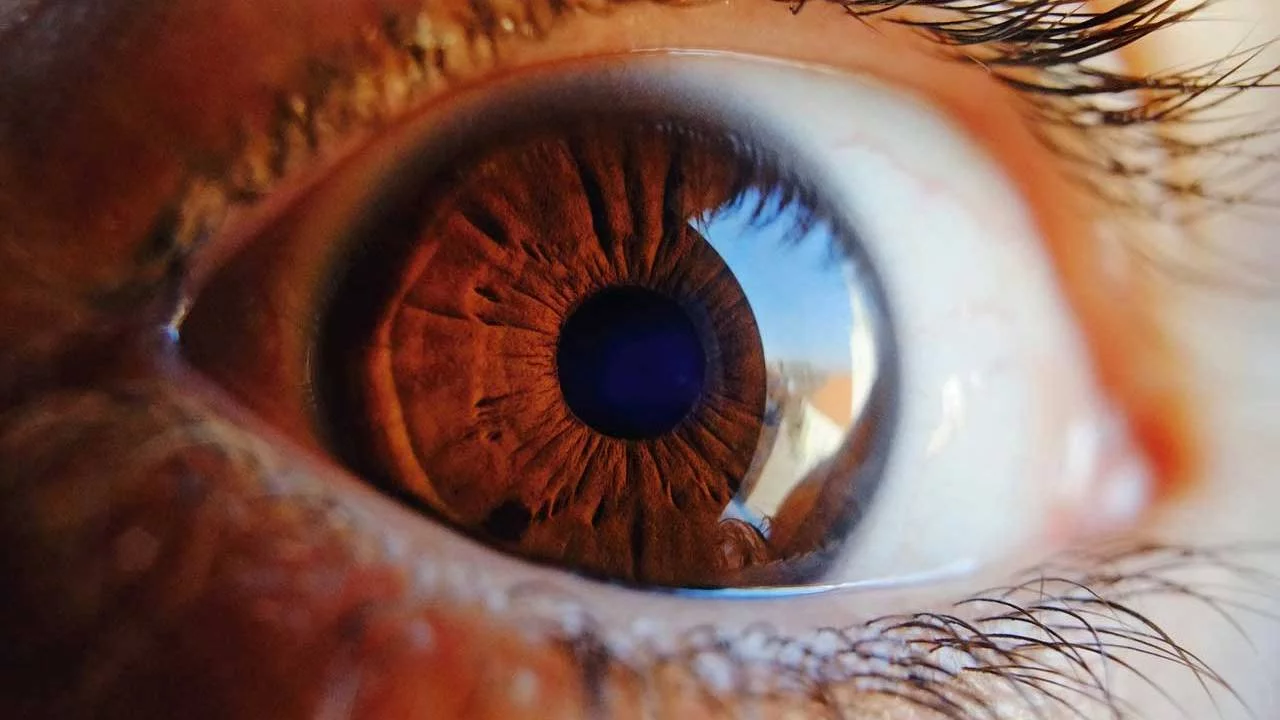
Symptoms of Cataracts
Cataracts usually take years to develop and are more common at older ages. The lens gradually becomes cloudy over time. Cataracts can make it difficult to read or drive, especially at night, and may make it hard to recognize people’s facial expressions.
Because cataracts progress slowly, many people do not realize they have them at first. As the cloudiness increases, vision gradually worsens. Distance vision is often affected earlier and more noticeably.
Cataracts frequently occur in both eyes, but they rarely develop at the same rate in each eye. People with cataracts may experience symptoms such as:
As vision continues to decline and glare from headlights and streetlights worsens, driving becomes hazardous. Drivers with cataracts may develop eye strain and find themselves blinking repeatedly in an effort to clear their vision.
Cataracts themselves usually do not change the outward appearance of the eye. Symptoms like irritation, pain, itching, or redness are more likely due to another eye problem.
Cataracts are not harmful to general health or the overall health of the eye. However, if a cataract becomes very advanced and the lens turns completely white, inflammation, headache, and some eye pain may occur. A hypermature (overripe) cataract that causes pain or inflammation should be removed.
Read also: 11 Tips for Patients with Glaucoma
Causes of Cataracts
Anyone can develop cataracts, but the main risk factor is age. More than 40% of people aged 75 and older have some degree of lens clouding. Factors that may increase the risk of developing cataracts include:
See also: Causes of Sudden High Eye Pressure
Treatment and Indications for Surgery
If the cataract is mild and vision is only slightly affected, surgery may not be necessary. In the early stages, stronger prescription glasses and brighter lighting can help improve vision.
The following strategies may help people who are not yet ready for surgery:

See also: Cataract Surgery – Postoperative Instructions and Intraocular Lens Implantation