Med info
Everything You Need to Know About Astigmatism (Corneal Astigmatism)

Learn in this article from Batal Eye Specialty Center everything you need to know about astigmatism in the eye, including its causes, symptoms, and modern treatment options to restore clear vision.
Astigmatism, medically known as corneal astigmatism, is one of the most common vision problems in the world, affecting millions of people to varying degrees.
This condition occurs when the cornea — the clear front surface of the eye — is irregularly shaped, causing light rays to bend unevenly as they enter the eye. As a result, images appear blurred or distorted on the retina.
Although astigmatism may seem mild at first, it can lead to persistent visual blur and eye strain if left undiagnosed or untreated.
In this article, we explain in simple, clear terms the causes, symptoms, types, and treatment options for astigmatism, along with essential tips to maintain your eye health.
What Is Astigmatism?
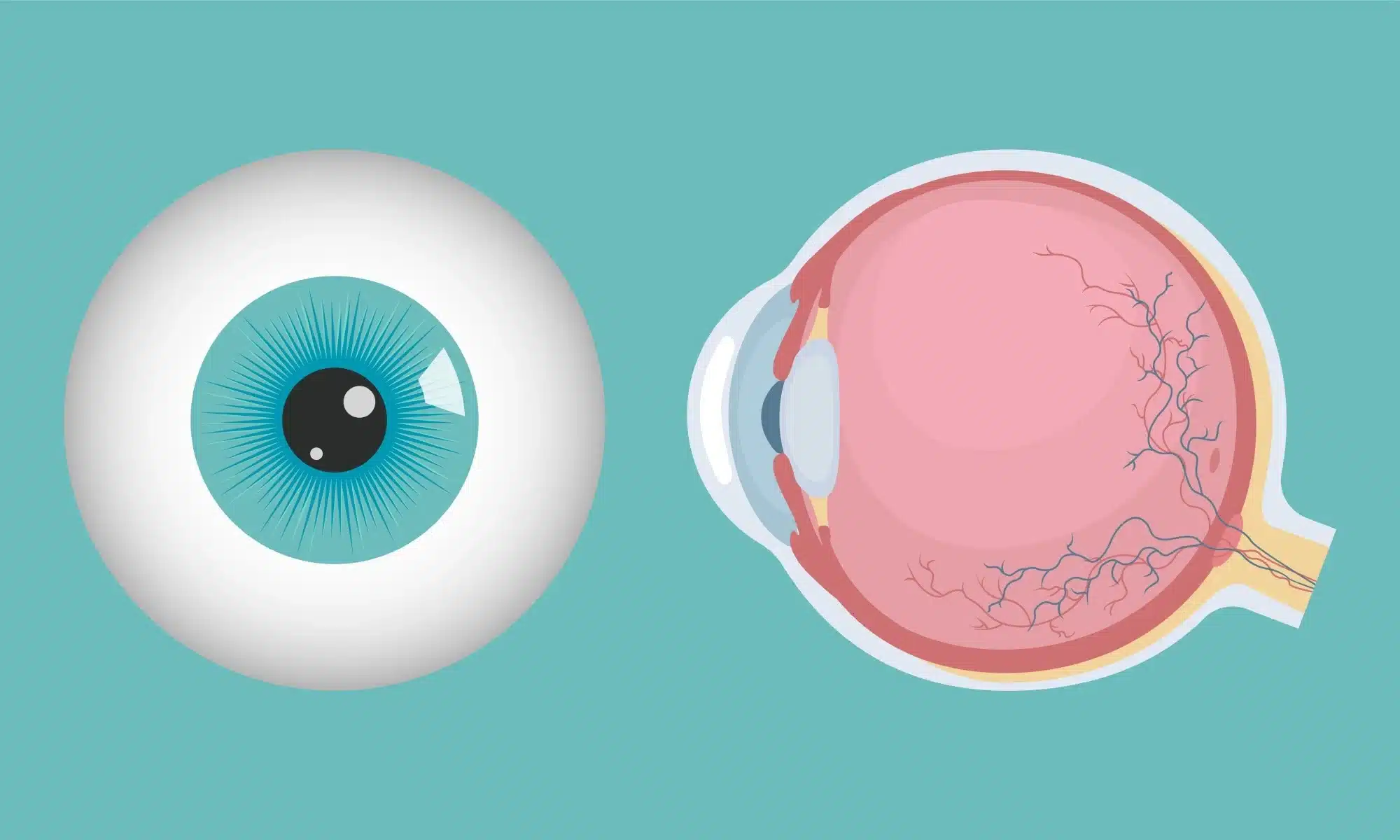
The cornea is the transparent outer layer at the front of the eye that acts like a natural lens, focusing light onto the retina to form a clear image.
In normal eyes, the cornea is perfectly round and evenly curved, allowing light rays to focus on a single sharp point inside the eye.
In people with astigmatism, the cornea is oval or unevenly shaped, resembling a football rather than a basketball.
This uneven curvature bends light in different directions, creating blurred or doubled images on the retina.
In simple terms: Astigmatism is not a disease, but rather a visual distortion caused by irregular curvature of the cornea that leads to blurred vision at both near and far distances.

An Overview of Refractive Errors
The term refractive error refers to any defect in how light rays are bent (refracted) inside the eye to focus on the retina. Normally, the cornea and the lens work together to focus light precisely on one point for clear vision. When either surface becomes irregular, the light rays scatter, and the image appears blurred. The main types of refractive errors include:
- Myopia (Nearsightedness): Difficulty seeing distant objects clearly.
- Hyperopia (Farsightedness): Difficulty seeing nearby objects clearly.
- Astigmatism: A curvature irregularity in the cornea that causes image distortion at all distances.
Symptoms of Astigmatism You Should Notice
Astigmatism symptoms vary depending on its severity, but the most common feature is blurry or distorted vision. The most frequent symptoms include:
- Blurred or fuzzy vision at all distances (near and far).
- Difficulty seeing clearly at night, especially when driving.
- Eye strain, burning, or heaviness after reading or screen use.
- Frequent headaches caused by constant focusing.
- Tilting the head or squinting to see better.
In mild cases, a person might not notice any clear symptoms, and astigmatism is often discovered during a routine eye exam.
Causes of Astigmatism
The main cause of astigmatism is the irregular shape of the cornea or internal lens compared to its normal, round shape.
The reasons for this irregularity may include:
- Genetic factors:
Most cases of astigmatism are inherited from one or both parents, making it common among family members. - Eye injuries or previous surgeries:
Trauma or surgical procedures (such as cataract removal) may leave corneal scars, altering its surface curvature. - Corneal diseases such as keratoconus:
This condition weakens the corneal tissue and causes it to bulge outward into a cone shape, leading to severe visual distortion that glasses can’t correct. - Environmental or mechanical factors:
Continuous pressure on the eye or frequent eye rubbing over time can affect corneal shape. - Growth-related changes:
Astigmatism can appear in childhood and progress as the eye grows and changes shape.

Types of Astigmatism
Ophthalmologists classify astigmatism into several types based on the cause and the pattern of irregular curvature:
- Corneal Astigmatism:
The most common type, resulting from uneven curvature of the corneal surface. - Lenticular Astigmatism:
Occurs when the internal lens of the eye is irregularly shaped, even if the cornea itself is normal. - Regular Astigmatism:
The curvature occurs in two perpendicular directions (horizontal and vertical) and can be easily corrected with glasses or contact lenses. - Irregular Astigmatism:
The curvature occurs in multiple axes, often caused by corneal injuries or keratoconus, and cannot be fully corrected with glasses alone.
How Is Astigmatism Diagnosed?
Astigmatism is diagnosed through a comprehensive eye examination conducted by an ophthalmologist using advanced diagnostic tools such as:
- Visual Acuity Test:
Reading letters of different sizes at various distances to measure clarity of vision. - Keratometry:
Measures the corneal curvature along its main axes to assess the degree of astigmatism. - Corneal Topography:
Produces a 3D map of the corneal surface to detect irregularities with high precision. - Refraction Test:
Determines the refractive error level and helps the doctor prescribe the most accurate lenses.
These painless tests take only a few minutes but are crucial for identifying the type and severity of astigmatism and determining the best treatment approach.

Is Astigmatism Hereditary?
Recent studies show that genetics play a major role in developing astigmatism, especially mild cases that appear early in life.
If one or both parents have astigmatism, the likelihood of the child developing it increases significantly.
However, environmental factors such as frequent eye rubbing or chronic corneal inflammation can worsen or accelerate the condition.
Treatment Options for Astigmatism
Treatment for astigmatism depends on its severity and how much it affects daily vision.The most common treatment options include:
- Eyeglasses:
The simplest and most common solution, using cylindrical lenses that balance the uneven curvature of the cornea.

- Toric Contact Lenses:
Custom-designed lenses that fit the cornea’s shape and remain stable in position, providing more precise correction than standard lenses.
Available in different types: soft, rigid gas-permeable, or hybrid lenses, depending on the case. - Laser or Refractive Surgery:
In advanced cases where lenses are insufficient, refractive laser procedures may be used, such as:- LASIK: Reshaping the corneal surface to correct the curvature.
- PRK: Removing a thin layer of corneal tissue to even out the surface.
- SMILE: Correcting the curvature through a small incision without removing the outer layer.
These procedures are safe, painless, and performed under local anesthesia, providing excellent results and quick recovery.

Does Astigmatism Go Away Over Time?
Astigmatism does not disappear on its own, but it usually remains stable over time.
However, the degree of curvature may change with age or with other eye conditions.
That’s why it’s recommended to have an annual eye check-up to update your prescription or monitor any changes.
Prevention and Eye Care Tips
Although astigmatism cannot always be prevented, following these tips can help minimize its progression or complications:
- Avoid rubbing your eyes harshly or frequently.
- Ensure good lighting while reading or using digital devices.
- Take regular breaks from screens to rest your eyes.
- Wear protective glasses during sports or manual work.
- See an ophthalmologist immediately if you notice sudden changes in your vision.
When to See an Eye Doctor
You should visit your eye doctor if you experience:
- Persistent blurry vision that doesn’t improve with your current glasses.
- Frequent headaches after reading or using screens.
- Double vision or difficulty focusing with one eye.
- A family history of astigmatism or keratoconus.
Early diagnosis helps prevent visual deterioration and ensures the most effective treatment.
Astigmatism Treatment at Batal Eye Specialty Center
In conclusion, astigmatism in the eye is among the most common vision problems — but also one of the most treatable.
If you experience blurry vision or headaches caused by astigmatism, you can safely restore clear sight with Batal Eye Specialty Center in Jeddah, which offers the latest laser and diagnostic technologies under the supervision of top ophthalmologists.
Book your eye examination today at Batal Eye Specialty Center and take the first step toward sharper and more comfortable vision — because caring for your eyes is the first step to a clearer, more confident life.