
Med info
Endoscopic Orbital Decompression Surgery: Everything You Need to Know

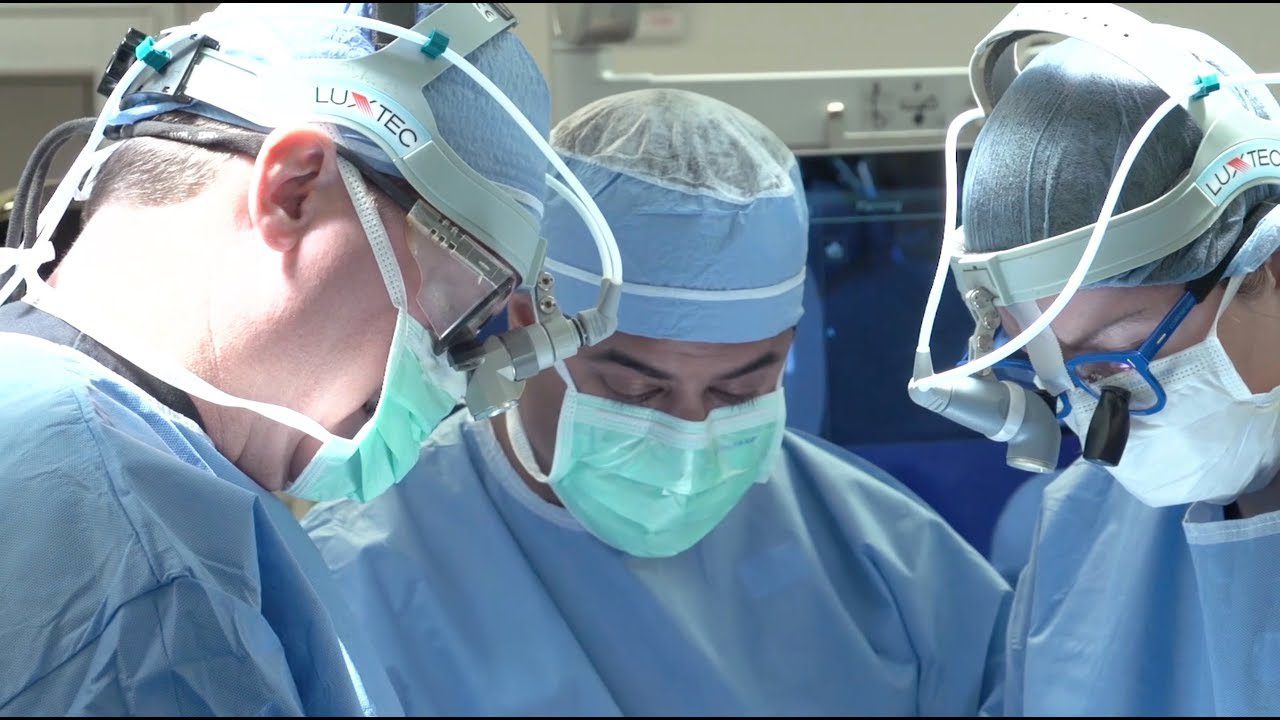
Endoscopic orbital decompression is a surgical procedure used to treat thyroid eye disease (Graves’ orbitopathy). In this surgery, the surgeon removes the medial and inferior bony walls of the orbit (eye socket) using an endoscope and specialized instruments introduced through the nose.
Removing these bony walls allows the swollen orbital tissues to expand into the paranasal sinuses. This helps reduce the bulging appearance of the eyes. Depending on how advanced the disease is, the surgeon may also need to decompress the lateral orbital wall, which is done through a small incision at the side of the eye extending toward the temple.
At the Eye Center in Batal Specialized Complex in Saudi Arabia, endoscopic orbital decompression surgery is performed by a team of highly trained surgeons specialized in both orbital and sinus surgery.
Also read: Entropion Repair: Definition, Types, Treatment, and Causes
Benefits and Risks of Endoscopic Orbital Decompression
By removing part of the bony walls of the orbit, endoscopic orbital decompression can allow the eye to move back into a more natural position within the eye socket. This may:
– Improve the cosmetic appearance by reducing eye bulging (proptosis).
– Help the eyelids close more completely and protect the eye surface.
– Relieve eye discomfort, irritation, and exposure symptoms.
Endoscopic orbital decompression may also reduce the pressure within the orbit, which can help prevent or improve double vision (diplopia) or loss of vision.
It is difficult to quote exact success rates because every patient is different, but this procedure is worth discussing with your surgeon. Endoscopic orbital decompression involves operating in both the orbit and the paranasal sinuses, and like any surgery, it carries risks, which may include for example:
– Bleeding
– Infection
– Worsening or new double vision
– Sinus problems
– Injury to the optic nerve or eye structures (rare but serious)
– Changes in facial sensation
Also read: Brow Lift Surgery: What It Is and How It Is Performed in Detail
What to Expect After Endoscopic Orbital Decompression
Most of the healing inside the nose takes place over the first four weeks, although recovery can take longer for some patients. You will receive prescriptions for medications to take after surgery, typically including pain relievers and possibly antibiotics. These medications are an essential part of your postoperative care and help support proper and faster healing.
Nasal bleeding is common for 24–48 hours after surgery. Nausea and even vomiting following anesthesia are also common and usually resolve within 12–24 hours. Sipping fluids during this time can help prevent dehydration. Some discomfort is expected after the procedure, but it is generally not severe.
Feeling tired for two to three days after surgery is common, so strenuous physical activity should be avoided during this period. Most people are able to return to work within about a week after the operation.
Also read: Eye Massage | Detailed Information About Eye Massage
Frequently Asked Questions About Eye Surgery in Graves’ Disease
My doctors told me my thyroid problem is fixed and now “normal.” Why are my eyes still acting up?
In Graves’ disease, the immune system stimulates the thyroid gland to produce excessive amounts of thyroid hormone. This excess hormone causes symptoms such as nervousness, heart palpitations, weight loss, diarrhea, tremors, and feeling hot all the time.
Treatment for Graves’ disease focuses on reducing the thyroid’s ability to produce thyroid hormone. This can be done with medication, surgery, or radioactive iodine. These treatments usually normalize thyroid hormone levels (and sometimes require lifelong thyroid hormone replacement), but they do not stop the underlying autoimmune process.
The immune system may continue to attack other tissues, particularly the eye muscles and tissues around the eye and eyelids. Eye symptoms can therefore persist or even worsen independently of the thyroid status, and eye/orbital changes are managed separately. In some cases, symptoms may temporarily worsen after radioactive iodine therapy.
Also read: Hypothyroidism | Causes, Symptoms, Testing, and Treatment
Why can’t my eyelids be fixed right now?
Surgery on the eye muscles that move the eye up and down can change the position of the eyelids. For this reason, eyelid surgery is usually delayed until after any necessary eye muscle surgery has been completed and the eye position has stabilized. This approach helps achieve a more accurate and lasting cosmetic and functional result for the eyelids.
Why do you want to operate on my “good” eye?
Eye muscle surgery can release a tight or restricted muscle, but the affected muscles are often enlarged and scarred, which limits their normal movement. If surgery is performed only on the more severely affected eye, that eye may still have very limited movement and significant double vision when looking to the side.
By also adjusting the muscles of the “better” eye, the surgeon can balance the movement of both eyes. This helps expand the field of single (non‑double) vision as much as possible and improves overall visual function.
You are welcome to visit the Eye Center at Batal Specialized Complex in Saudi Arabia, where you will find comprehensive services, leading ophthalmologists, and effective, individualized treatment options.
Also read: Types of Eyelid Surgery in Detail

Batal Specialized Complex in Saudi Arabia is considered one of the leading and most advanced medical centers in the field of eye care and eye disease treatment. The complex is gaining increasing recognition day by day thanks to the strong reputation of its physicians, as well as the availability of state‑of‑the‑art diagnostic and therapeutic eye technologies.
If you are experiencing any eye problem, schedule an appointment at Batal Specialized Complex to receive the best possible medical consultation from a specialized eye doctor at the center.