
Med info
Ectropion: Definition, Treatment, Types, and Causes

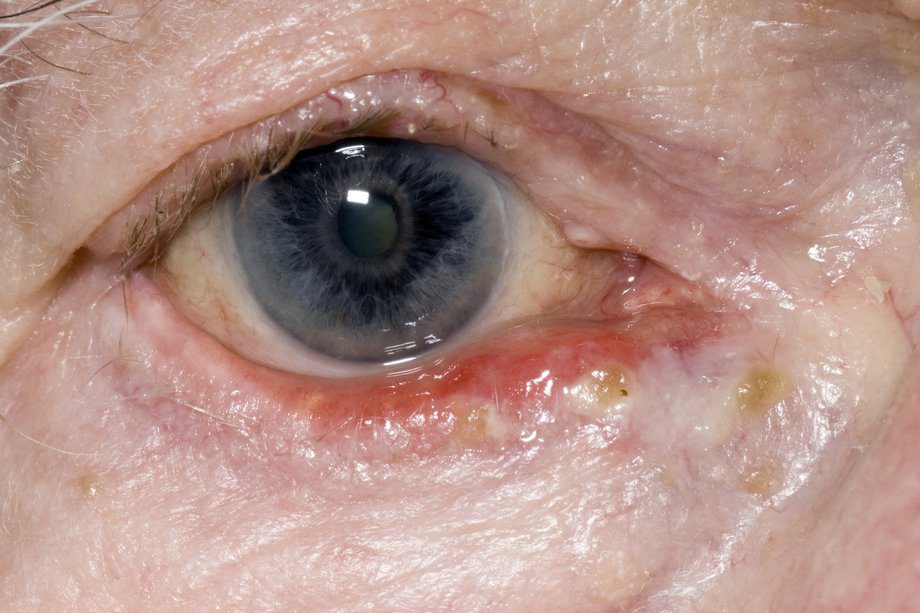
Ectropion occurs when your lower eyelid turns or sags outward, away from the eye, exposing the inner surface of the lid. This condition can lead to dry eye, excessive tearing, and irritation.
Ectropion may develop for several reasons, including facial nerve palsy and trauma, but the most common cause is age‑related loosening or weakening of the eyelid tissues and muscles.
If you notice symptoms of ectropion, you should seek medical care. Without treatment, ectropion can lead to serious corneal problems and may even threaten vision.
Lubricating eye drops and ointments can help relieve symptoms, but surgery is usually needed to fully correct the problem. Most people who undergo surgery experience significant improvement.
See also: Right Eye Headache | Causes and Treatment
What Causes Ectropion?
The main cause of ectropion is weakening of the muscles and loosening of the supporting tissues of the eyelid as part of the natural aging process. The risk of developing ectropion increases as you get older.
Other triggering factors can also contribute, including:
See also: Chalazion (Eyelid Cyst) | Detailed Information and Important Updates
What Are the Symptoms of Ectropion?
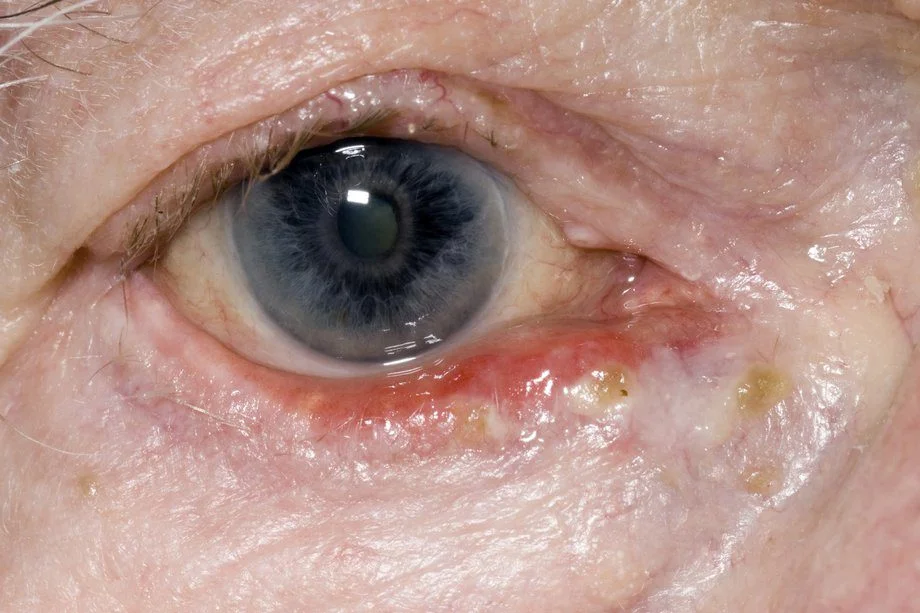
When you blink, your eyelids help spread tears evenly across the eye’s surface to protect and lubricate it. Tears then drain through tiny openings called puncta, located along the inner edges of the eyelids, into the tear drainage system.
When the lower lid turns outward, normal tear drainage is disrupted. This can cause a range of symptoms, including:
If you have symptoms suggestive of ectropion, you need prompt medical attention.
Delaying treatment can lead to serious complications. If you develop any of the following symptoms, your eye doctor should address them immediately:
What Are the Treatment Options for Ectropion?
While you are waiting for definitive treatment, lubricating eye drops and ointments can provide relief and help protect the cornea from further damage. However, improper wiping or rubbing of the eye can make the condition worse.
Always wipe from the outer corner of the eye inward toward the nose, using an upward motion. Special skin-safe adhesive tape can sometimes be used to gently support and lift the lower lid to reduce symptoms.
Always ask your doctor for specific instructions and recommendations before trying these measures.
See also: Cataract Surgery
Scar Tissue Tightening
If your ectropion is caused by scar tissue pulling the lid downward, your doctor may recommend procedures aimed at softening and tightening the scar. This may include steroid injections and massage of the scarred area. However, these measures are not always effective.
Surgical Correction
In most cases, surgery is required. The procedure may be done during a short hospital stay, but is more commonly performed on an outpatient basis under local anesthesia.
During surgery, the surgeon usually shortens and tightens the lower eyelid by removing a small segment of tissue. This typically requires stitches along the lower eyelid or at the outer corner of the eye. In the majority of patients, this surgery is highly effective and resolves the problem.
If ectropion is due to significant scarring or insufficient eyelid skin, you may need a skin graft. In this case, your surgeon may take a small piece of skin from behind your ear or from the upper eyelid and attach it to the lower eyelid.
If you have a history of facial paralysis or extensive scarring, you may need more than one surgery to achieve the best possible result and fully correct the eyelid position.
After surgery, you may need to wear an eye patch for a short period. You will likely be prescribed steroid and antibiotic ointments to reduce inflammation and help prevent infection.
Over‑the‑counter pain relievers and cold compresses can also help ease pain and swelling.
Some patients feel immediate relief after surgery, while others notice gradual improvement over several days to a few weeks. Most patients remain symptom‑free once healing is complete.
See also: Types of Eyelid Surgery in Detail
What Are the Complications Associated with Ectropion?
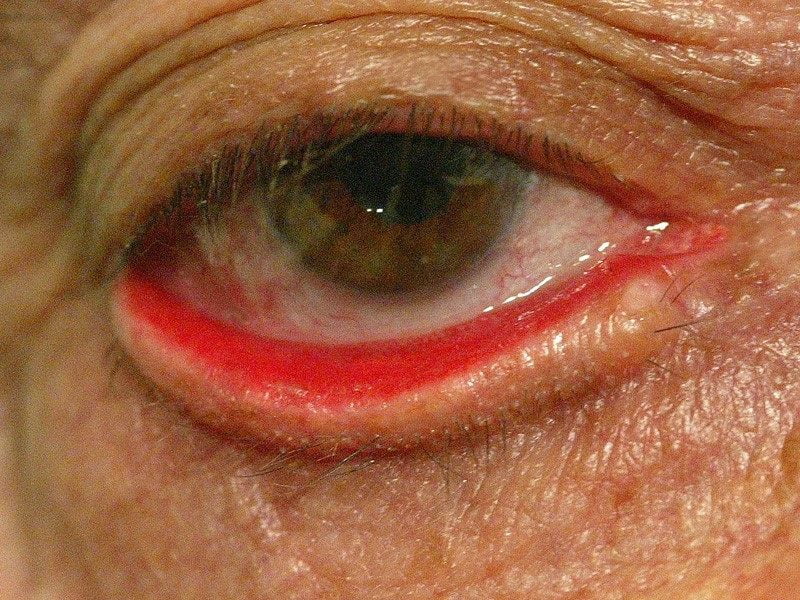
Chronic irritation, excessive dryness, and prolonged exposure of the cornea can lead to conjunctivitis (inflammation of the conjunctiva) or more serious eye infections. This may cause pus or sticky discharge around the eye and on the eyelashes, especially upon waking in the morning.
Other possible complications include:
In many cases, the underlying conditions that lead to ectropion cannot be completely prevented. However, seeking early treatment can limit damage and reduce the risk of serious complications.

Finally, Batal Specialized Medical Complex in Saudi Arabia is considered one of the leading, most advanced centers in the field of eye care and ophthalmic treatment. The center’s reputation continues to grow thanks to the expertise of its ophthalmologists and its use of state‑of‑the‑art diagnostic and treatment technologies.
If you are experiencing any eye problem, do not hesitate to book an appointment at Batal Specialized Medical Complex to receive the best possible medical consultation from a qualified eye specialist.