Med info
Dry Eyes vs. Allergies | How Can You Tell the Difference?

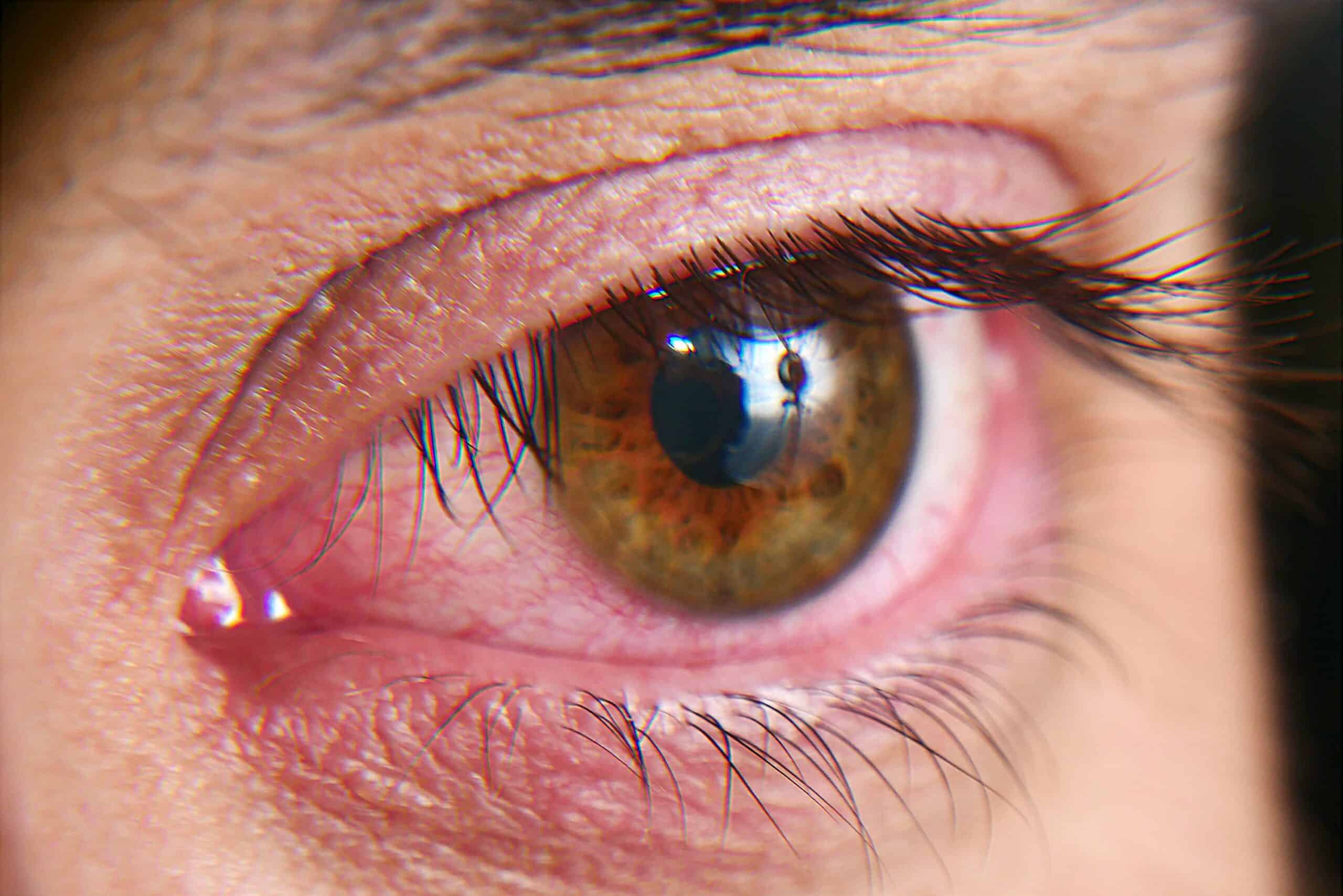
Red, irritated, and watery eyes are hallmark symptoms of dry eye disease—and they’re also key signs of eye allergies. A comprehensive eye exam can determine what’s really causing your symptoms.
Before you book an appointment, is there any way to tell dry eye and allergies apart on your own? Learn more about dry eyes, eye allergies, and how to distinguish between them below.
See also: Dry Eye
What Is Dry Eye?
Dry eye is a common eye condition that can affect your vision. Every time you blink, your eyes are coated with a thin layer of tears that keeps the surface of the eye clean, smooth, and free of debris. Problems can develop when tear production and drainage are out of balance.
You can develop dry eye for two main reasons: poor tear quality or not producing enough tears.
See also: What Do You Know About LASER Eye Surgery?
Evaporative Tear Film Dysfunction
Your tears are made up of three layers: an oily (lipid) layer, a watery (aqueous) layer, and a mucin (mucus) layer. The oil (meibum) is secreted by glands in your eyelids, called the meibomian glands, and its job is to keep your tears from evaporating too quickly. The mucin layer helps spread the tears evenly across the surface of your eye.
When any of these layers is compromised, your tear film quality suffers and you may develop dry eye. If the meibum is affected—for example, because the meibomian glands are blocked or not functioning properly—your tears can evaporate too fast. This is the leading cause of dry eye and is known as evaporative dry eye disease.
See also: Dry Eye Syndrome | In‑Depth Information on One of the Most Common Eye Conditions
Insufficient Tear Production
Glands in and around your eyelids produce tears to keep your eyes lubricated. When these glands don’t work properly, they may not make enough tears. Without adequate tear volume, your eyes can become dry and irritated.
This reduced tear production can occur for a variety of reasons and is referred to as aqueous-deficient dry eye disease.
See also: Tips to Reduce Digital Eye Strain Symptoms
Dry Eye Symptoms
Regardless of what’s causing your dry eye, the symptoms are often similar. Many dry eye symptoms can seem mild or like “normal” eye discomfort, which is why they’re sometimes overlooked.
Common symptoms of dry eye can include:
[Content continues here, listing symptoms.]
Dry eye disease and general eye allergies share several overlapping symptoms, and patients often confuse one for the other. Understanding what triggers allergies can help you tell these two conditions apart.
Eye Allergies
Allergies flare up when you’re exposed to a specific trigger, called an allergen. Depending on the type of allergy you have, you might experience symptoms year‑round or only during certain seasons.
Common eye allergy triggers include:
[Content continues here, listing common allergens.]
If you already have allergies—such as seasonal allergic rhinitis (hay fever)—you may be more likely to develop eye allergies as well. Eye allergies are also known as allergic conjunctivitis. Unlike some other forms of conjunctivitis (such as bacterial or viral “pink eye”), allergic conjunctivitis is not contagious.
While itching is a classic sign of eye allergies, it’s not the only one. Several other symptoms are also associated with allergic conjunctivitis.
Allergy Symptoms

See also: Everything You Want to Know About Tear Duct Obstruction in Children
How Can You Tell the Difference?
See also: Is Femto‑LASIK Safe? A Complete Answer from Batal Specialty Center