Med info
Dry Eye Syndrome | Detailed Information on One of the Most Common Eye Diseases

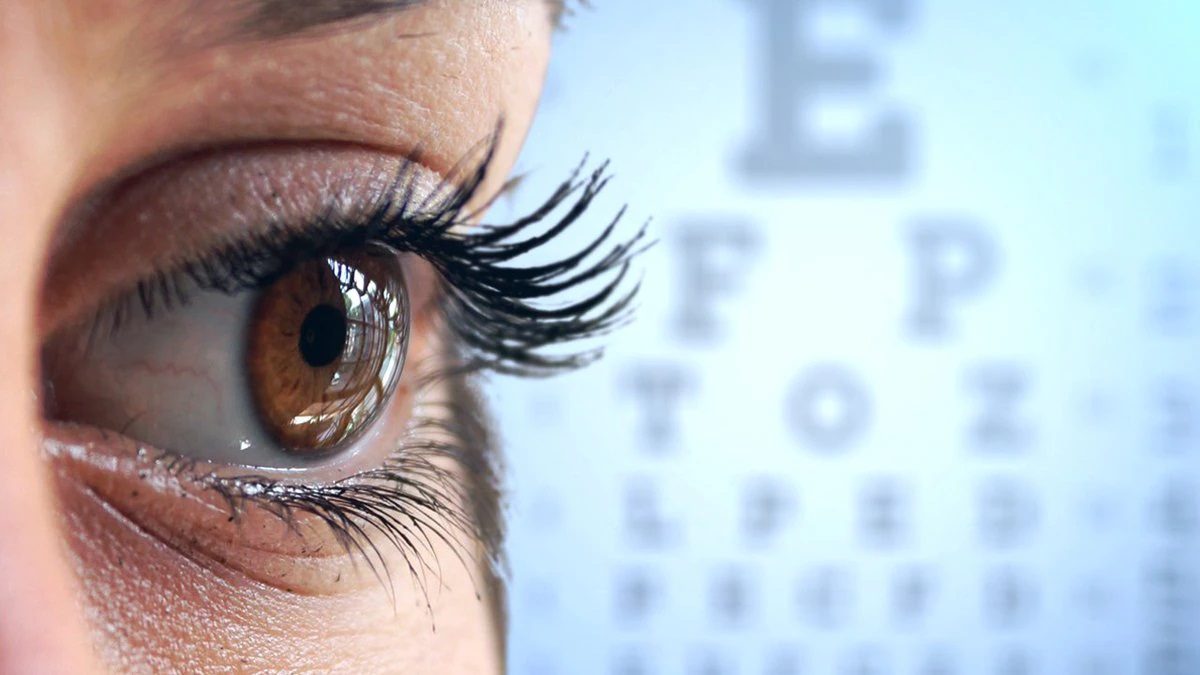
Your eyes are constantly producing tears. These tears aren’t just a reaction to sadness or pain—they’re created for specific purposes related to eye health, such as providing the moisture needed for clear, comfortable vision. The tear film is made up of three layers:
This combination normally keeps the surface of your eyes lubricated, smooth, and clear. Problems with any one of these layers can lead to dry eye. When that happens, blinking can no longer spread a healthy, moist “tear film” over the surface of the eye to protect and soothe it.
The discomfort caused by dry eye can affect the way you see and, in rare cases, significantly reduce your vision. With proper care and treatment, however, it’s possible to relieve dry eye symptoms—making it one of the most manageable common eye conditions.
Read also: Do You Need Vision Correction Surgery?
What Causes Dry Eye Syndrome?
Dry eye syndrome occurs when your eyes don’t produce enough tears, when tears don’t drain properly from the eye, or when the quality of the tear film isn’t sufficient to keep the surface of the eye healthy.
Dry eye is a common condition—more than 16 million people experience moderate to severe symptoms. Women are about twice as likely as men to develop dry eye.
Pregnant women, those using certain types of birth control, women on hormone replacement therapy, or those who are postmenopausal are at higher risk of developing dry eye.
Read also: Facts About Retinal Detachment and Complete Information on the Condition
What Are the Symptoms of Dry Eye?
Read also: What Can Surgical Eye Care Do for You?
What Can You Do to Prevent Dry Eye Symptoms?

To help prevent or reduce dry eye symptoms, you can do the following:
Read also: Glaucoma Prevention – What Everyone Should Know
If you’re experiencing dry eye syndrome, you can contact Batal Specialized Eye Center to schedule an appointment for a comprehensive eye exam and the necessary diagnostic evaluation.