
Med info
Droopy Eyelids: Causes, Symptoms, Treatment, and Everything You Need to Know


Droopy eyelids (ptosis) occur when the upper eyelid sags downward. At the Eye Center in Al Batal Specialized Complex in Jeddah, doctors can treat droopy eyelids surgically, depending on the underlying cause. Common causes include genetic factors or eye injury, and the likelihood of developing ptosis increases with age.
Treatment of Droopy Eyelids
Treatment may not be necessary if the condition does not affect vision. However, a sagging eyelid can cover the pupil and reduce vision. Ptosis can be present at birth (congenital) or acquired later in life due to different causes.
In most cases, droopy eyelids do not lead to serious health problems and can be managed effectively.
Read also: 8 Tips to Avoid Eye Strain During the Coronavirus Pandemic
Causes of Eyelid Ptosis
Congenital ptosis is present from birth and may have genetic causes. It can affect one or both eyelids. Congenital ptosis can interfere with normal visual development and lead to amblyopia, commonly known as “lazy eye.”
A common cause of acquired ptosis is stretching or tearing of the muscles or tendons that lift the eyelid, and this damage can result from:
The eyes and eyelids are delicate structures, and there are many other possible causes of acquired ptosis, including:
Read also: Learn About the Causes of Dry Eye
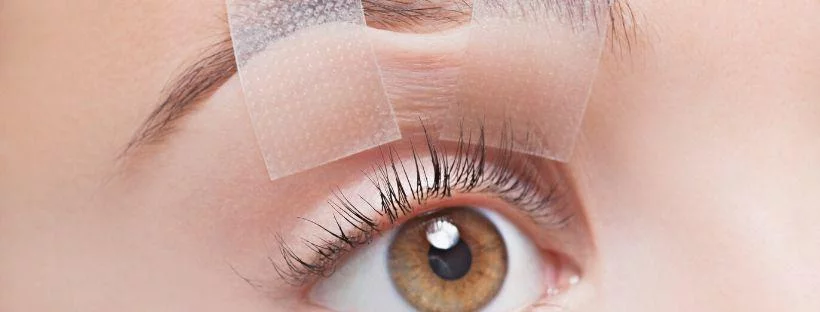
Causes of Eyelid Ptosis
Risk Factors for Droopy Eyelids
Risk factors for developing droopy eyelids include:
Prevention of Eyelid Ptosis
It is difficult to prevent the development of droopy eyelids, especially when the condition is congenital. Acquired ptosis may also result from causes that cannot be avoided, and it is often hard to completely prevent factors such as eye trauma, eye surgery, or progressive damage to the muscles and nerves.
However, avoiding contact lens overuse and refraining from excessive eye rubbing can help reduce the risk of acquired ptosis. In addition, having Botox injections performed by an experienced injector generally lowers the chance of eyelid drooping after treatment for frown lines between the eyebrows.
Read also: How to Treat Blepharitis Quickly
Symptoms of Eyelid Ptosis
The main symptom of ptosis is the visible drooping of the upper eyelid. In many cases, the droop is mild, not very noticeable, and not painful. Some people may feel that the condition negatively affects their appearance and, in turn, their psychological well‑being.
In other cases, the eyelid may cover enough of the eye to interfere with vision, which can be more pronounced when reading or looking down.
Some patients unconsciously raise their eyebrows to compensate for the blocked field of vision, which can fatigue the facial muscles. For this reason, it is advisable to visit the Eye Center at Al Batal Specialized Complex for a comprehensive eye examination, proper evaluation, and appropriate management.
Read also: Can You Have Laser Eye Surgery Twice?
Treatment of droopy eyelids depends on how severe the condition is. Ptosis rarely causes pain or serious health issues, so treatment is sometimes not required medically but is desired for cosmetic reasons or to correct impaired vision.
Surgery is the main option to treat droopy eyelids. The goal is to tighten the levator muscle (the muscle that lifts the eyelid), helping to raise the eyelid to a more normal position.
The procedure is generally safe, but complications are possible. Surgery may overcorrect or undercorrect the problem, leaving the eyelid either too high or still too low, and a second surgery may be needed.
If ptosis is caused by Botox injections, treatment may include stimulating the eyelid muscle by using specific prescription eye drops, or simply waiting for the effect of Botox to wear off, as this type of drooping usually resolves on its own within 3–4 weeks.

You are advised to contact the Eye Center at Al Batal Specialized Complex in Jeddah and book an appointment to receive effective treatment from ophthalmology specialists.
Read also: Treatment of Amblyopia in Adults – Types, Causes, and Symptoms of Lazy Eye