Med info
Does Strabismus Get Worse Over Time?

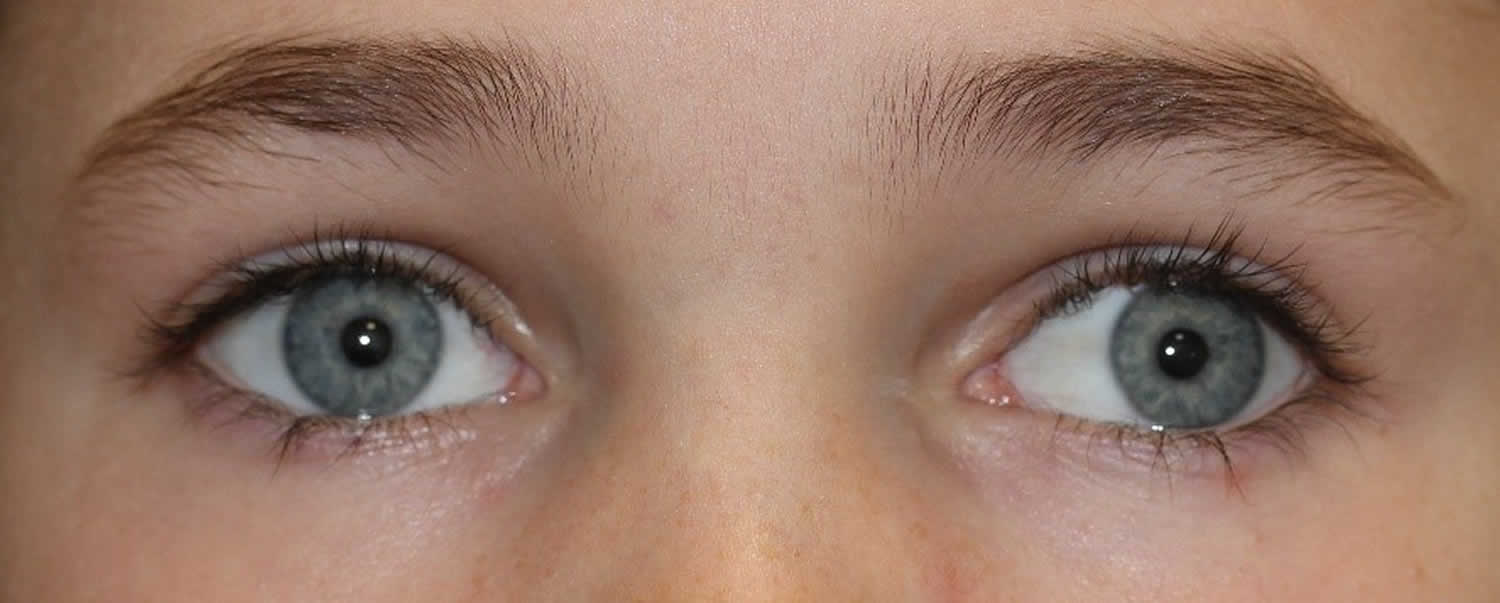
Strabismus is a condition in which the eyes are not properly aligned. One eye may turn inward, upward, downward, or outward while the other eye focuses on a single point. This misalignment can be constant or intermittent. It occurs because the muscles that control eye and eyelid movement do not work together in a coordinated way. As a result, both eyes cannot look at the same place at the same time.
Read also: Tear Duct: Anatomy, Function, and Common Conditions
Types of Strabismus
There are several different types of strabismus, and they can be described either by their cause or by the direction in which the eye turns.
The following terms describe strabismus based on eye position:
Early diagnosis of strabismus allows for more effective treatment. It is advisable to visit an eye center such as the Eye Center at Al Batal Specialized Complex in Jeddah, which is equipped with advanced technology and highly experienced ophthalmologists.
Read also: Mild Strabismus in Children – Causes, Symptoms, and Treatment
Signs and Symptoms in Children
Strabismus is often quite noticeable from an early age, as one of the child’s eyes does not look straight ahead. Infants and newborns may show occasional eye deviation, especially when they are tired, but this does not necessarily mean they have true strabismus. Parents should consult a doctor if they are concerned.
If a child frequently keeps one eye closed, or consistently tilts or turns their head when looking straight ahead, this may be a sign of double vision. In such cases, it is important to see an eye doctor, since strabismus is usually present at birth or develops within the first six months of life.
Causes of Strabismus
Strabismus can develop for several reasons, including:
If the eye cannot properly focus light as it passes through the lens, this is called a refractive error. Other vision problems that can contribute to strabismus include:
Refractive errors often cause the affected eye to turn inward in an effort to obtain a clearer image. Strabismus related to uncorrected refractive errors usually appears later, often around the age of two years or older.
Hydrocephalus can also lead to strabismus. This is a condition in which excessive cerebrospinal fluid builds up in and around the brain. Certain viral infections, such as measles, may contribute to the development of strabismus as well. Other associated conditions include Noonan syndrome and a number of other genetic disorders.
Read also: Strabismus Surgery – Everything You Need to Know
Diagnosis and Treatment of Strabismus
Infants and children should undergo regular eye examinations as they grow. If there are signs of strabismus, the ophthalmologist will likely use eye drops to dilate the pupils before testing.
One common test used to assess strabismus is the Hirschberg test. In this test, the ophthalmologist shines a light into the eyes and observes where the light is reflected on the corneas. If the eyes are properly aligned, the reflection will appear in the center of both corneas. If not, the test can help determine whether the patient has exotropia (outward deviation) or esotropia (inward deviation), and to what extent.
Treatment Options
Prompt treatment lowers the risk of complications such as amblyopia (lazy eye) and may help reduce the development of myopia (nearsightedness). The younger the patient, the more effective treatment tends to be. Treatment options may include:
Read also: Nasolacrimal Duct Obstruction – Causes, Symptoms, Treatment
Exercises for Strabismus
A common eye exercise used for certain types of strabismus is the “pencil push-up” exercise, which can be done at home. The basic steps are:
A study of patients who performed two sets of 20 pencil push-ups per day for 12 weeks suggested that this exercise may be a simple, low-cost, and effective treatment option. Other home-based exercises for strabismus may include “mirror swinging” and similar vergence exercises under professional guidance.