
Med info
Does Poor Eyesight Cause Headaches? | Get a Precise Answer

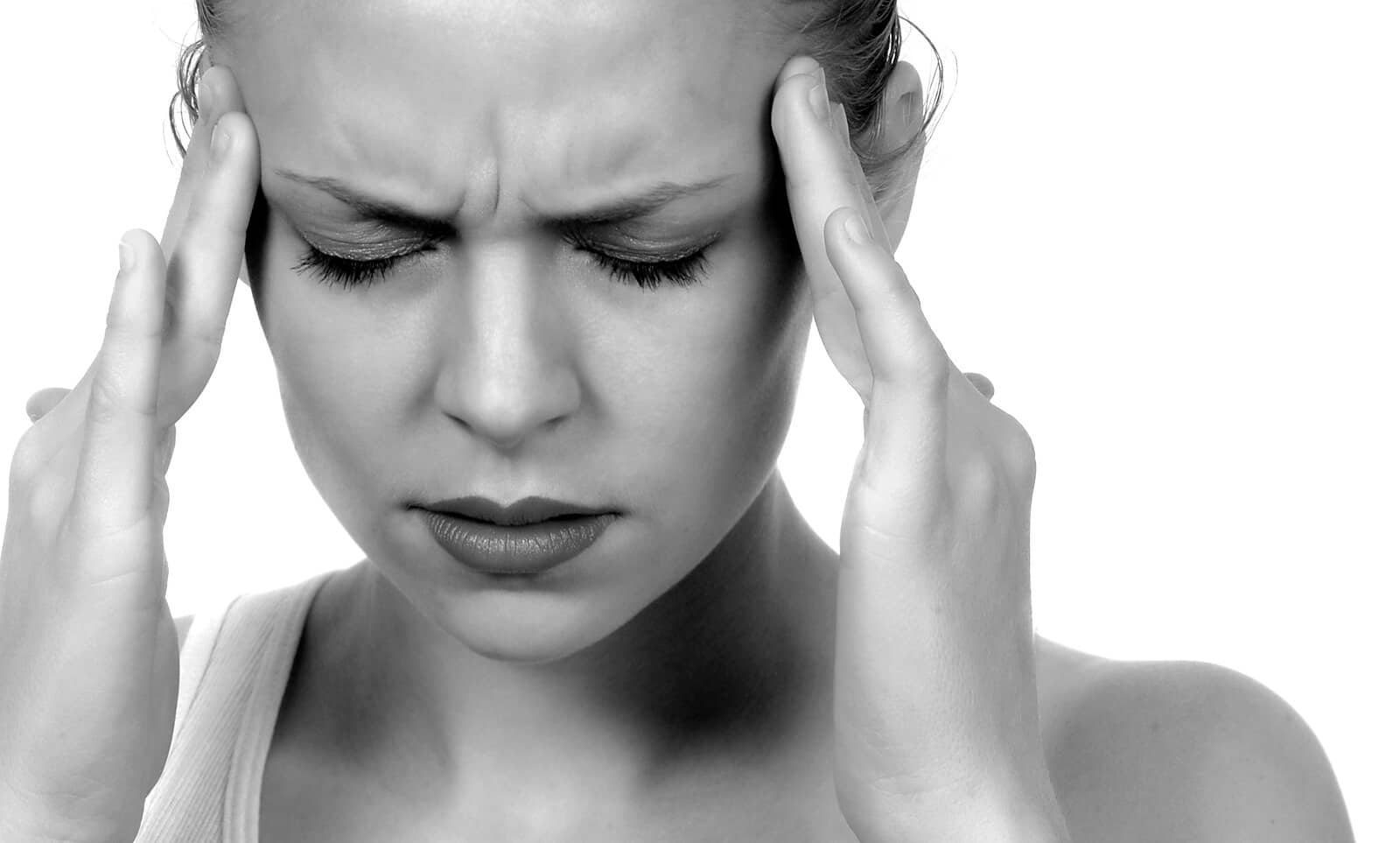
Have you ever noticed a headache that comes with blurry vision or visual changes and wondered: does poor eyesight actually cause headaches?
Headaches can sometimes lead to blurred vision and other visual disturbances. This is especially true with migraine and cluster headaches.
Migraines can cause severe pain in and around the eyes, along with visual disturbances. An aura often appears before the actual headache and typically lasts about 20 minutes. This aura can include various visual symptoms.
Some people who experience migraine aura never develop the actual headache. This can make visual problems harder to diagnose. Migraines can also cause tingling or numbness of the skin. People with severe migraines may experience:
Certain medications, specific foods, strong smells, loud noises, and bright lights can all trigger migraine attacks.
Read also: When Does Vision Stop Getting Worse – Is That Really True?
Cluster Headaches
Cluster headaches are extremely painful headaches that occur in groups (clusters). They usually cause intense pain around one eye and this pain often radiates down the neck and can involve the shoulder. Other symptoms may include:
Cluster headaches can occur daily for several months at a time, followed by long headache‑free periods. The exact cause of cluster headaches is still unknown.
Read also: Nearsightedness (Myopia) and Everything You Want to Know
Vision Problems That Cause Headaches – Does Poor Eyesight Really Cause Head Pain?
On the other hand, eye and vision problems themselves can cause headaches when you overuse your eyes or struggle to maintain focus, as in eyestrain headaches. By correcting the underlying vision issue, you can often relieve the headache.
Read also: Farsightedness (Hyperopia) | Causes and Treatment
Eyestrain Headache
Overusing the focusing muscles in your eyes can lead to eyestrain and headaches. Common causes of eyestrain include prolonged screen use, such as:
Words and images on a digital screen are made of pixels and do not have sharply defined edges. Your eyes cannot lock focus easily on pixels, so they have to work harder, even if the display is high‑resolution. When the eye muscles become fatigued, you may develop a headache in or behind the eyes.
Read also: Detailed Guide to Treating Poor Eyesight
Common symptoms of eyestrain include:
Read also: Vision Weakness Tests – What They Are and Their Types
Hyperopia (Farsightedness)
Adults and children with uncorrected hyperopia (farsightedness) often develop frontal headaches, sometimes felt as “eyebrow pain.”
If you are farsighted, you may have difficulty focusing on near objects. This constant effort to focus leads to eyestrain and headaches. Because you unconsciously compensate for your hyperopia by trying to focus more intensely, the headaches can become more frequent and more severe over time.
Read also: Symptoms of Poor Vision and Everything You Need to Know About Low Vision
Presbyopia
Around the age of 40, most people begin to have difficulty focusing on near objects. Tasks like reading or threading a needle become harder because near vision is blurred.
This unavoidable, age‑related condition is called presbyopia and it affects everyone at some stage of life. Headaches can develop as you strain to compensate for the loss of near focus.
Reading glasses usually help relieve the underlying eyestrain. Jobs that require prolonged close‑up work, long‑term sun exposure, and existing hyperopia are among the most common risk factors for developing symptomatic presbyopia earlier or more severely.
Read also: Corneal Inflammation | Risks, Symptoms, and Treatment
Giant Cell Arteritis
Also known as temporal arteritis, giant cell arteritis (GCA) is an inflammation of the lining of the arteries that run along the temples. GCA typically causes a persistent, throbbing headache. Visual symptoms occur because blood flow to the optic nerve and retina is reduced. Other symptoms may include:
Read also: Types of Vision Correction Surgery | The Latest Options
Acute Angle‑Closure Glaucoma
Acute angle‑closure glaucoma (AACG) is a rare, eye‑emergency type of glaucoma that can cause sudden, severe headache. In AACG, eye pressure (intraocular pressure) rises quickly and can lead to:
Read also: Keratoconus Treatment 2023 | Corneal Treatment at Batal Eye Clinic
<h2>Ocular Ischemic Syndrome</h2>
Ocular ischemic syndrome is a condition caused by chronic reduction in blood flow to the eye. It often produces symptoms such as:
White patches on the retina indicate that the retinal tissue is not receiving enough blood and oxygen.
Read also: Symptoms of Keratitis | Causes, Diagnosis, and Treatment
Pseudotumor Cerebri
Pseudotumor cerebri is a condition in which pressure inside the skull increases without an obvious cause. It is also known as idiopathic intracranial hypertension.
Pseudotumor cerebri commonly causes headaches and visual disturbances. If left untreated, it can lead to vision loss because the elevated pressure damages the optic nerves.
Fortunately, although about 65% to 85% of people with pseudotumor cerebri experience some degree of visual impairment, the problem is usually temporary and vision often returns to normal once the high pressure is brought under control.
Read also: Electroretinography and Visual Evoked Potentials
So, does poor eyesight cause headaches? In many cases, yes. A headache can be a sign that there is a problem with your vision. For example, migraine and cluster headaches can cause temporary visual symptoms that disappear once the headache resolves.
However, other eye diseases can also cause headaches, and some can be serious, such as ocular ischemic syndrome (OIS), which develops when blood flow to the eye is reduced.
For this reason, if you experience headaches and/or changes in vision, you should see your doctor to rule out serious medical conditions and properly address the question “Does poor eyesight cause headaches?” and treat the underlying issue.
What Should You Do If Your Vision Is Blurry and You Have a Headache?
If you have blurred vision and a headache at the same time, contact your healthcare provider. In some cases, this combination can be a sign of a more serious problem, such as herpes zoster (shingles) involving the eye or even a stroke.
How Long Does an Eyestrain Headache Last?
An eyestrain headache typically lasts up to about an hour after extended screen use, although in some cases it can last longer.
Read also: Scleral Buckling Surgery for Retinal Detachment | Batal Specialty Center Guide
Whatever your symptoms of poor vision or eye disorders may be, these are delicate medical conditions that require careful examination and appropriate treatment by a skilled, experienced ophthalmologist using effective medical tools to achieve the best outcome.
Whatever eye disease or vision problem you have, you can book an appointment at Batal Specialty Center to receive a thorough eye examination and start treating your eye problems, no matter how complex they are.