Med info
Does Nearsightedness Lead to Blindness?

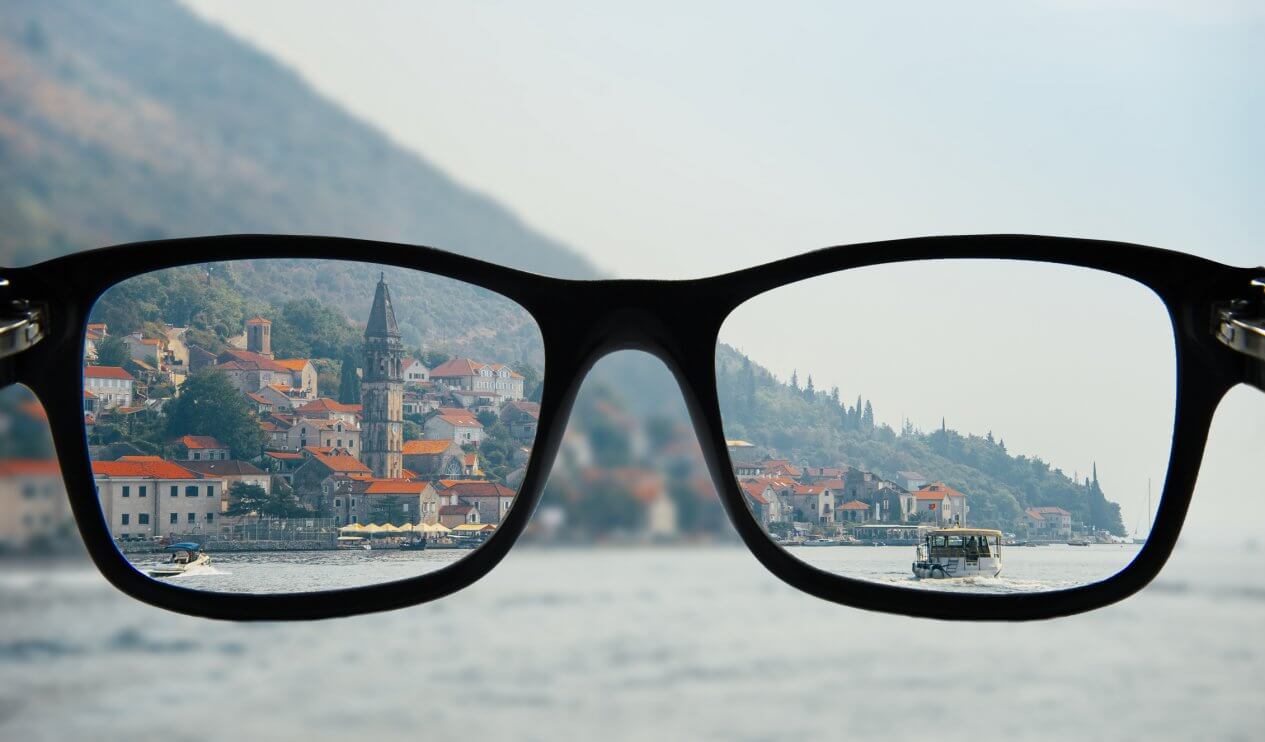
Is there any truth to the question “Does nearsightedness cause blindness?” In general, nearsightedness (myopia) is a very common vision problem that is usually diagnosed before the age of 20 and can be easily corrected with eyeglasses, contact lenses, or surgery. Nearsightedness mainly affects distance vision: people with myopia have difficulty seeing faraway objects clearly, but can usually see nearby objects without a problem.
Read also: Symptoms of Optic Neuritis: Causes, Treatment, and Risks
Is It True That Nearsightedness Causes Blindness?
Most of the time, nearsightedness is a minor inconvenience that is easily corrected with glasses, contact lenses, or refractive surgery. However, in rare cases, a more serious form called degenerative (or pathological) myopia can develop, which can be very dangerous and is a major cause of vision loss and even blindness. Degenerative myopia affects only about 2% of the population and is believed to have a strong hereditary component.
Causes of Nearsightedness
Eye specialists are still not completely sure about the exact cause of myopia, but it is believed to result from a combination of genetic and environmental factors. Myopia can be inherited, and it may also develop or worsen when the eyes are used extensively for close-up tasks such as reading or working on a computer.
Myopia usually appears in childhood. In many cases, the condition stabilizes, but it can continue to progress with age. Because incoming light is not focused properly on the retina, images appear blurred.
What Are the Symptoms of Nearsightedness?
Some additional signs of myopia to watch for in children include:
Most cases of myopia are mild and can be easily managed with prescription glasses, contact lenses, or refractive surgery. However, in rare situations, more severe complications can occur.
Read also: What Is a Neuro-Ophthalmologist? Everything You Need to Know
Does Nearsightedness Get Worse With Age?
Yes, especially during growth spurts in the preteen and early teenage years, when the body is growing rapidly and myopia can intensify. By around age 20, myopia usually stabilizes.
Adults can also develop or experience worsening myopia. This may be due to visual strain or medical conditions such as diabetes or cataracts. Eye strain often results from spending long periods doing near work, such as reading or using a computer.
Read also: Best Procedures and Methods for Treating Retinal Detachment
How Is Nearsightedness Diagnosed?
An ophthalmologist or optometrist can diagnose myopia using standard eye examinations. It is most often identified in childhood, but it can also develop in adults due to visual strain or diabetes.
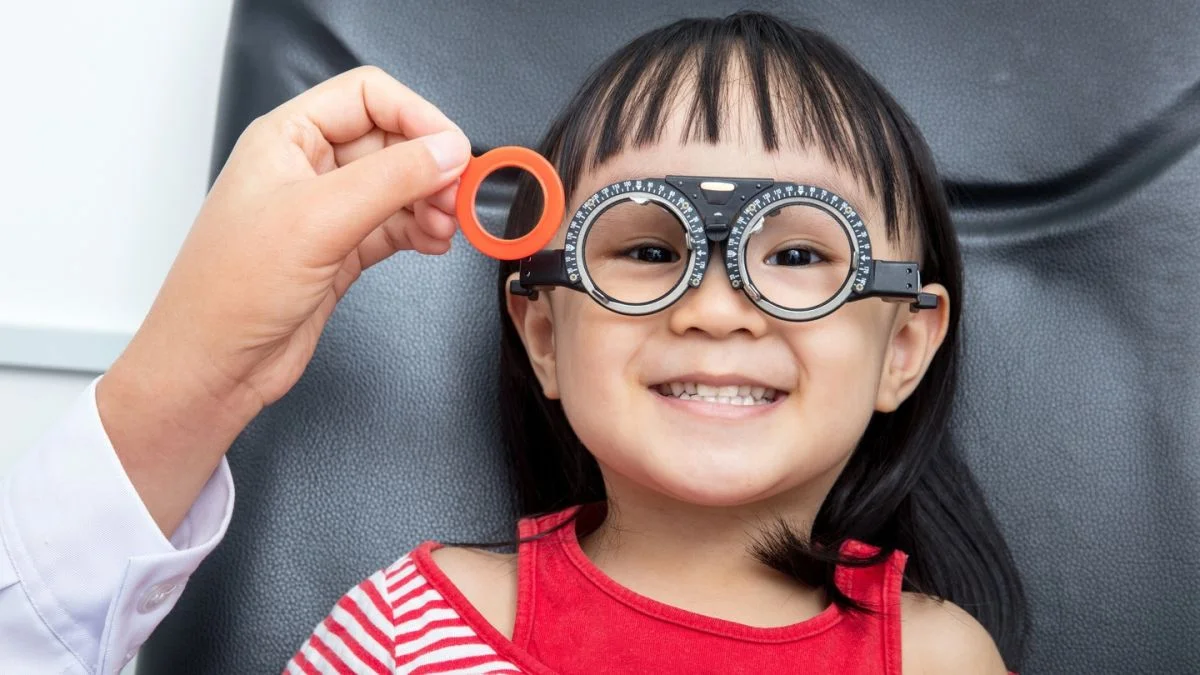
During a child’s eye exam, the doctor will perform a physical examination of the eyes and check for a normal light reflex. For children aged 3 to 5 years, the doctor will also perform vision screening using eye charts with pictures, letters, or the so‑called “tumbling E” test, also known as the random E visual acuity test.
Read also: Cost of Vision Correction Surgery in Saudi Arabia
Treatment of Nearsightedness
Eyeglasses or contact lenses can correct myopia in both children and adults. There are also several types of refractive surgery that can correct myopia, but these procedures are generally reserved for adults (with rare exceptions in children).
Read also: How Can Nearsightedness Be Treated and What Are the Newest Techniques?
How Can You Keep Nearsightedness From Getting Worse?
Although there is no cure that completely eliminates myopia, there are daily habits that can support overall eye health. Today, it is especially important to set limits for children on activities that lead to eye strain.
These tips are helpful for protecting vision:
See also: Contraindications for Vision Correction Surgery
Foods to Help Maintain Eye Health as Much as Possible
Everyone’s eyes depend on nutrients from the foods we eat to maintain the health and function of delicate eye tissues. Good nutrition is especially critical for children’s vision as their eyes grow and develop. It is also important to limit caffeinated soft drinks and keep everyone well hydrated by drinking enough water.
Try to include foods rich in the following:
Maintaining these healthy habits can help protect your vision and support a future full of the things you love to see.
Read also: Electroretinography and Visual Evoked Potentials for the Retina and Optic Nerve