Med info
Does Keratoconus Cause Blindness? Symptoms You Need to Watch For

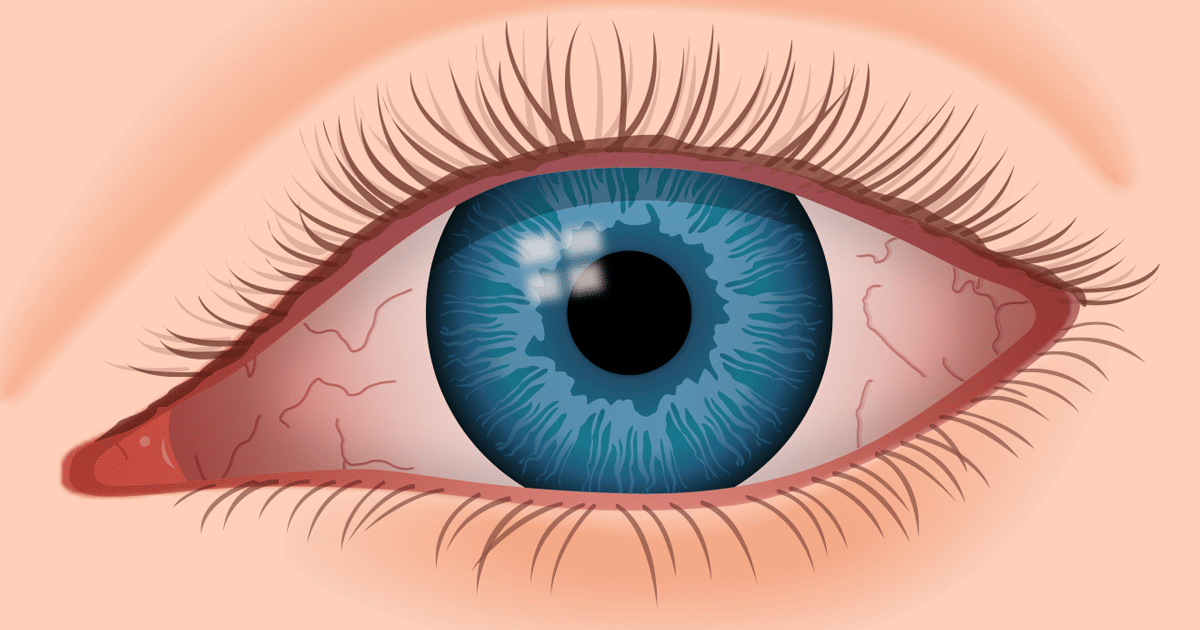
Keratoconus is a rare eye condition that occurs when the corneal tissue becomes weak and starts to thin out, causing the cornea to bulge forward into a cone-like shape. This condition affects about 1 in every 2,000 people. Symptoms of keratoconus usually begin in the teenage years or early adulthood and may slowly worsen over time. But does keratoconus actually cause blindness?
Keratoconus can develop for several different reasons. In some people, it runs in the family (genetic predisposition). In others, it may be linked to a history of excessive eye rubbing due to eye allergies, or associated with other medical conditions. In some cases, it can occur secondarily after laser vision correction surgery if the patient was not properly screened beforehand.
Read also: Does Poor Eyesight Cause Headaches? | Get the Accurate Answer
Symptoms of Keratoconus
Keratoconus causes a gradual decline in vision over time and is usually asymmetric, meaning one eye is more affected than the other. While it typically does not cause complete blindness, it can significantly reduce vision and increase reliance on glasses and contact lenses. In advanced cases, vision can only be corrected with rigid contact lenses or surgery.
Early symptoms may include:
Read also: When Does Vision Stop Getting Worse? | Is That Really True?
Diagnosing Keratoconus
If you notice changes in your vision similar to those described above, you should schedule an appointment with an ophthalmologist. The doctor will review your eyeglass or contact lens prescription and examine your eyes. If the cornea shows signs of bulging, which is characteristic of keratoconus, your doctor may use several tools to measure the curvature of the eye.
The main diagnostic method is corneal topography or tomography, which measures the shape and thickness of the cornea to create a three-dimensional “map” of the cornea. This test is quick, painless, and does not touch the eye. Early detection is important so your condition can be monitored closely, and if progression is detected, treatment can help reduce further vision loss.
If you are at risk for keratoconus, it is also very important to avoid going ahead with laser vision correction procedures like LASIK or SMILE, as they can worsen the condition. With careful monitoring and proper precautions, the concern about whether keratoconus causes blindness becomes much clearer and more manageable.
Read also: Hyperopia (Farsightedness) | What It Is, Causes, and Treatment
Does Keratoconus Cause Blindness?
Swelling and scarring of the cornea can lead to reduced or blurry vision. Vision may deteriorate to the point that daily activities and normal life become difficult. If significant scarring develops on the cornea, your ophthalmologist may recommend a corneal transplant in severe cases. A surgical procedure called corneal transplantation (keratoplasty) can help restore vision for these patients.
Keratoconus usually does not lead to total, complete blindness. However, patients can lose enough vision to be considered legally blind or severely visually impaired. This happens in a small percentage of cases. Most patients, especially those who see a cornea specialist early, can have the condition diagnosed and managed with an appropriate treatment plan. With proper eye care and follow-up, most patients will not experience severe or complete loss of vision.
Read also: Symptoms of Poor Vision and Everything You Need to Know About Low Vision
Improving Vision and Comfort
Although there is no absolute cure for keratoconus, there are effective ways to halt or slow its progression and improve vision. Progression can often be controlled using a procedure known as corneal collagen cross-linking.
In the early stages of keratoconus, glasses and soft contact lenses can provide adequate vision correction. As the disease progresses, customized or specialty contact lenses are often needed to achieve clear vision.
These may include rigid gas permeable (RGP) lenses, which can be specially designed to fit the irregular corneal surface. Scleral lenses are among the most advanced options for vision correction in keratoconus. They may be recommended particularly when standard RGP lenses are no longer comfortable. There are also hybrid lenses, which have a rigid center for clear vision with a soft outer skirt to provide improved comfort similar to soft lenses.
Read also: How Does a Person With Keratoconus See? | What Living With Keratoconus Looks Like

Whatever the type or severity of your eye condition, keratoconus is a delicate medical issue that requires a thorough eye examination and appropriate treatment from a skilled, experienced ophthalmologist using effective medical tools and technologies that can deliver real, positive results. Whatever eye problem you are dealing with, you can book an appointment at Batal Specialized Medical Complex to get a comprehensive eye evaluation and start addressing your vision problems, no matter how complex they may be.