
Med info
Digital Dentistry: Facts and Key Information

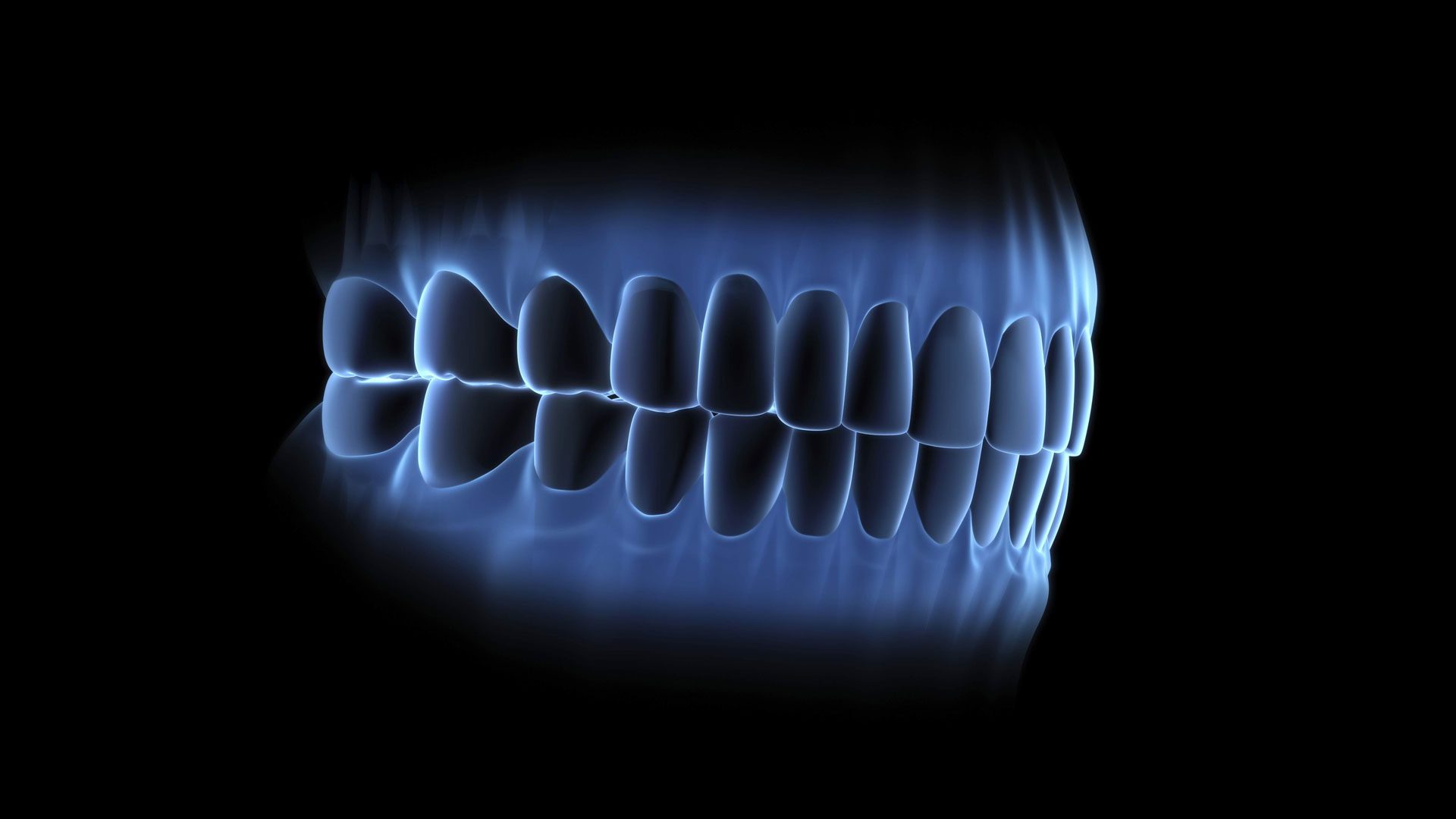
Digital dentistry involves the use of dental technologies or devices that rely on computer-based or digital components. Traditional dentistry, on the other hand, depends mainly on mechanical or electrical procedures.
Computer‑based technologies allow dental practices to significantly enhance patient care. Most importantly, digital dentistry eliminates many of the manual steps in dental procedures, enabling dentists to provide treatment that is more efficient and more automated.
See also: Invisalign Braces | What It Is, How It Works, and Its Advantages
Types of Digital Dentistry
In a modern dental clinic, a wide range of diagnostic and treatment technologies are controlled by computer systems. Some of the most common digital dental technologies include:
Digital Radiography
Digital radiography uses facial and intraoral scanners to produce a clear, detailed map of the teeth and dental impressions. Your dentist can review, print, and evaluate these images while you are still in the chair.
In addition, digital X‑rays emit up to 70% less radiation than traditional film X‑rays and are considered more environmentally friendly.
See also: Treatment of Swollen Gums at Batal Specialty Complex
Cone Beam Computed Tomography (CBCT)
Cone Beam CT is a rotating X‑ray machine that provides a three‑dimensional view of the teeth and oral anatomy. This imaging technology can detect oral conditions that are not visible on standard 2D X‑rays. CBCT can precisely determine the position of the teeth and their roots.
Intraoral Cameras
Intraoral cameras allow dentists to obtain clear, highly accurate images of the inside of the mouth. Shaped like a small wand, the camera can magnify images on a computer screen in real time. This gives patients a clear view of what the dentist is doing or pointing out.
Furthermore, intraoral cameras offer a detailed view of hard‑to‑see areas in the mouth, helping to accurately identify problems such as tooth fractures.
See also: Zirconia Crowns | Types, Benefits, Pros & Cons, and How Long They Last
Computer‑Aided Design/Computer‑Aided Manufacturing (CAD/CAM) and 3D Printing in Cosmetic Dentistry
CAD/CAM technology and 3D printing have greatly improved efficiency in designing and restoring teeth. These restorations can include ceramic crowns, bridges, and veneers. With chairside CAD/CAM dentistry, dentists can design, mill, and place dental restorations in a single visit.
Traditionally, a dental lab would fabricate the restoration, a process that could take up to three weeks. With newer digital technologies, the patient can often receive the final restoration in just one day. Many dental practices now use CEREC technology to provide same‑day crowns.
See also: Dental Veneers | Everything You Need to Know
Benefits of Digital Dentistry
More Accurate Diagnosis
Reduced Time and Cost
Instead of waiting days for a lab to complete a restoration, the dentist can often finish it the same day. As a result, the dental team can reduce the number of appointments needed, saving both time and cost. In addition, digital images are immediately available to dental laboratories. Patients also don’t have to wait for films to be developed and can easily view their images on the screen.
See also: Tooth Contouring | How It Can Improve Your Smile
Improved Patient Experience

Digital dentistry and digital imaging have allowed dentists to significantly reduce the use of traditional impression materials, which many patients find uncomfortable. Instead of taking conventional impressions, the dentist can simply scan your teeth with a 3D intraoral scanner. This means no more biting into impression material or having bulky trays placed in your mouth. Overall, most patients find 3D scanning far more comfortable.
See also: Zoom Teeth Whitening Technology | How It Works and Is It Right for You?