
Med info
Dental Veneers: Everything You Need to Know

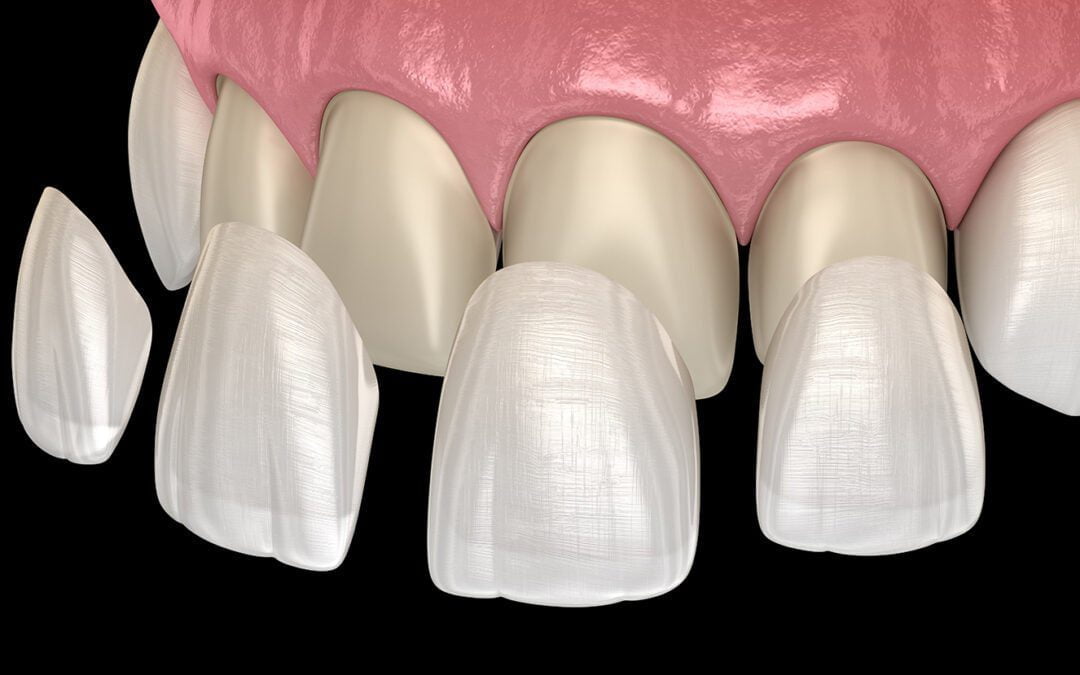
Dental veneers (also called porcelain veneers or porcelain laminates) are thin, custom-made shells of tooth‑colored material designed to cover the front surface of teeth to improve your appearance. These shells are bonded to the front of the teeth to change their color, shape, size, or length.
Read also: Everything You Need to Know About Periodontal Pockets
Types of Dental Veneers
Dental veneers can be made from porcelain or resin composite materials. Porcelain veneers resist stains better than resin veneers, and they also mimic the light‑reflecting properties of natural teeth more closely. You’ll need to discuss the best veneer material option for you with your dentist.
Read also: Zoom Teeth Whitening – How It Works and Whether It’s Right for You
What Problems Do Dental Veneers Fix?
Read also: Tooth Decay in Children – Causes, Symptoms, and Treatment
Planning for Dental Veneers
Planning for dental veneers usually includes the following stages:
The Veneer Procedure
Getting veneers typically requires three visits to the dentist: one for a consultation and two to make and apply the veneers. One tooth or several teeth can undergo the veneering process at the same time.
Diagnosis and Treatment Planning
You’ll explain to your dentist the outcome you’re hoping to achieve. During this visit, your dentist will examine your teeth to make sure veneers are appropriate for you and will discuss the procedure and its limitations. They may take X‑rays and possibly impressions (molds) of your teeth and mouth.
Tooth Preparation for Veneers
To prepare a tooth for a veneer, your dentist will reshape the tooth surface, removing an amount of enamel roughly equal to the thickness of the veneer that will be added. You and your dentist will decide whether to numb the area before trimming the enamel.
After that, your dentist will make a model or impression of your tooth. This model is sent to a dental laboratory, which fabricates your veneer. It usually takes 2–4 weeks for the veneers to come back from the lab. Temporary veneers can be used in the meantime.
The Bonding Process
Your dentist will temporarily place the veneer on your tooth to examine its fit and color, repeatedly removing and trimming it as needed to achieve the proper fit before permanently cementing it in place. The shade of the veneer can be adjusted with the color of the cement used.
Next, to prepare your tooth to receive the veneer, your dentist will clean, polish, and etch the tooth. Etching roughens the tooth surface to allow for a stronger bond.
A special dental cement is then applied to the veneer, and the veneer is placed on the tooth. Once properly positioned, your dentist will shine a special light beam on the veneer to activate chemicals in the cement, causing it to harden quickly.
The final steps involve removing any excess cement, checking your bite, and making any necessary adjustments. Your dentist may ask you to return for a follow‑up visit within about two weeks to check your gums and the veneer’s position.
What’s the Difference Between Veneers, Crowns, and Implants?
Veneers are not the same as dental implants or crowns. A veneer covers only the front surface of the tooth, whereas a crown encases the entire tooth. Veneers are also thinner than crowns—about 1 mm compared with about 2 mm—and they are less invasive.
If you need a crown, your dentist must remove more tooth structure to prepare it than is necessary for a veneer.
In contrast, a dental implant is placed in the jawbone to replace a missing tooth root, and then a crown is attached to the implant. It can take several months after placing the implant for the surrounding bone and tissue to heal enough to support the replacement tooth.
Read also: Types of Braces with Pictures and Their Costs
Benefits of Dental Veneers
Veneers offer the following advantages:
Read also: Types of Fixed and Removable Dental Prostheses and How to Care for Them – The Complete 2022 Guide
How Much Do Veneers Cost?
Dental insurance typically does not cover veneers because they are considered a cosmetic procedure. In general, according to the American Dental Association, you can expect to pay between $925 and $2,500 per tooth.
Costs vary based on the veneer material, the location of the dental practice, the type and brand of veneer used, and your dentist’s experience.
Read also: Braces Colors
Should I Choose Composite Bonding or Porcelain Veneers?
Ask a prosthodontist which option is best for you. If the changes you need are minor and your teeth function properly, cosmetic bonding is often the better choice.
If your teeth are spaced, chipped, darkly discolored, and/or you clench or grind your teeth, porcelain veneers may be the preferred option.
What Does Getting Veneers Involve?
Porcelain veneers usually require multiple steps. The first step is a consultation with a prosthodontist. At this visit, you can discuss your goals and concerns, and the prosthodontist will explain how veneers can work for you. X‑rays or impressions of your teeth may be needed.
The second step is preparing the tooth for the veneer. A small amount of tooth structure is removed, and an impression is taken. The prosthodontist then places a temporary veneer.
At the next appointment, the temporaries are removed, and the final veneers are bonded to your teeth.
What Are the Disadvantages of Dental Veneers?
Once your tooth has been prepared for a veneer, the process is not reversible. If a veneer cracks, it is difficult to repair without replacing the entire veneer.
It’s important not to have habits such as chewing on pens or biting your nails, as these can fracture veneers. Veneers are also not a good option for people with poor gum health.
In addition, people who clench or grind their teeth are at higher risk of chipping or breaking their veneers. Finally, veneers are still susceptible to decay, so maintaining excellent oral hygiene and seeing your dentist regularly is essential.
Who Is a Good Candidate for Porcelain Veneers?
If you have stained or chipped teeth, you may be interested in veneers because they cover your existing teeth. They are also a popular treatment for a full smile makeover or for individuals who want a “dream smile.”
How Long Do Veneers Last?

Dental veneers typically last about 5–10 years and do not require special care beyond good oral hygiene: regular brushing, flossing, and visits to your prosthodontist. With proper care, they may last even longer.
Professional cleanings every six months and annual checkups are strongly recommended.