
Med info
Cost of Glaucoma Surgery (Aqueous Fluid Drainage) in Jeddah 2026 | Complete Guide

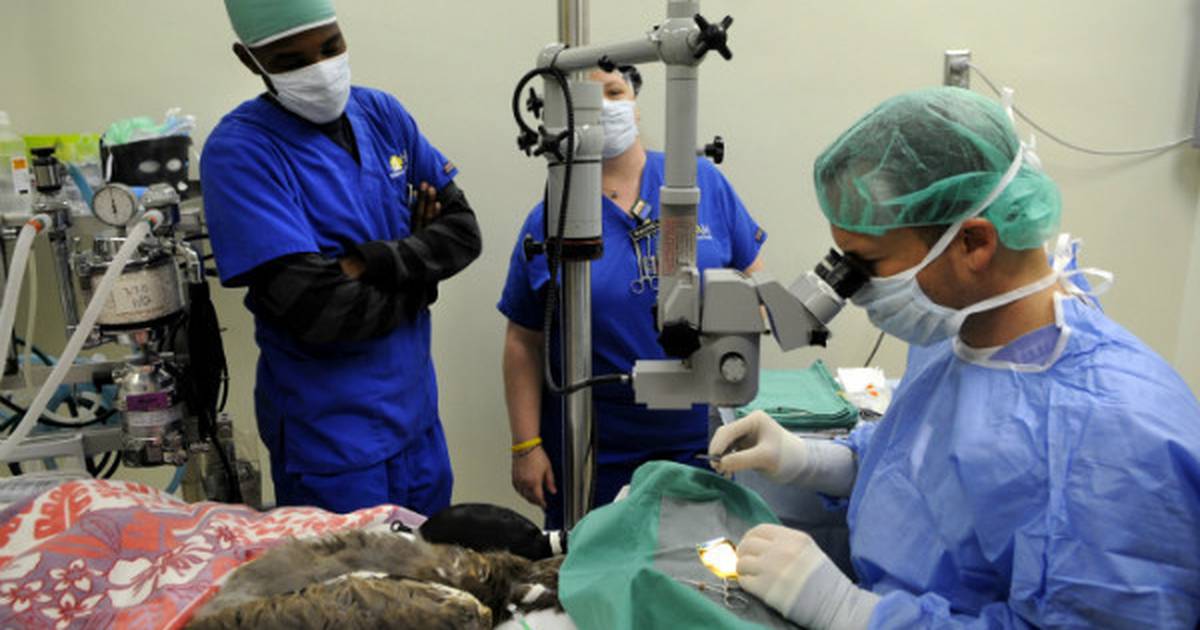
Glaucoma surgery, commonly referred to as “draining fluid from the eye,” is one of the most important procedures for protecting eye health and preventing gradual vision loss. Glaucoma develops when the intraocular pressure (IOP) rises because the aqueous humor (the clear fluid inside the eye) does not drain properly, which can damage the optic nerve over time.
The main goal of surgery is to lower eye pressure by:
– Creating a new pathway for the aqueous fluid to drain out of the eye
– Or improving the function of the eye’s natural drainage system
This type of surgery usually does not improve vision that is already lost, but it helps stop further deterioration and preserves the remaining eyesight. That’s why choosing a highly specialized eye center is critical for achieving the best possible outcome.
What Is the Purpose of Glaucoma Surgery?
When eye drops, oral medications, or laser procedures fail to keep the intraocular pressure under control, surgical intervention becomes the safest option to protect the optic nerve.
Glaucoma surgery helps to:
– Lower intraocular pressure to a safer level
– Slow or stop further damage to the optic nerve
– Reduce dependency on glaucoma medications in some cases
The operation does not restore vision that has already been lost, but it prevents additional vision loss — and that is the primary goal.
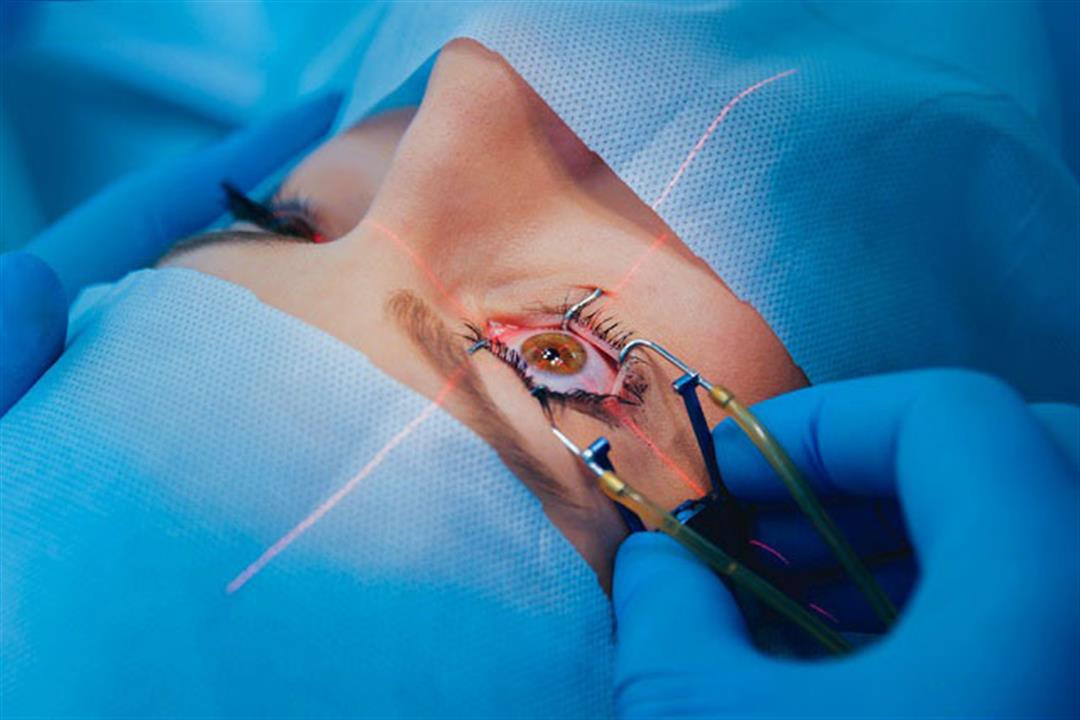
How Is Glaucoma Surgery Performed? (Simple Explanation)
An ophthalmologist usually performs glaucoma surgery under local anesthesia.
Basic steps of the procedure:
1. Numbing the eye with local anesthesia (often with mild sedation)
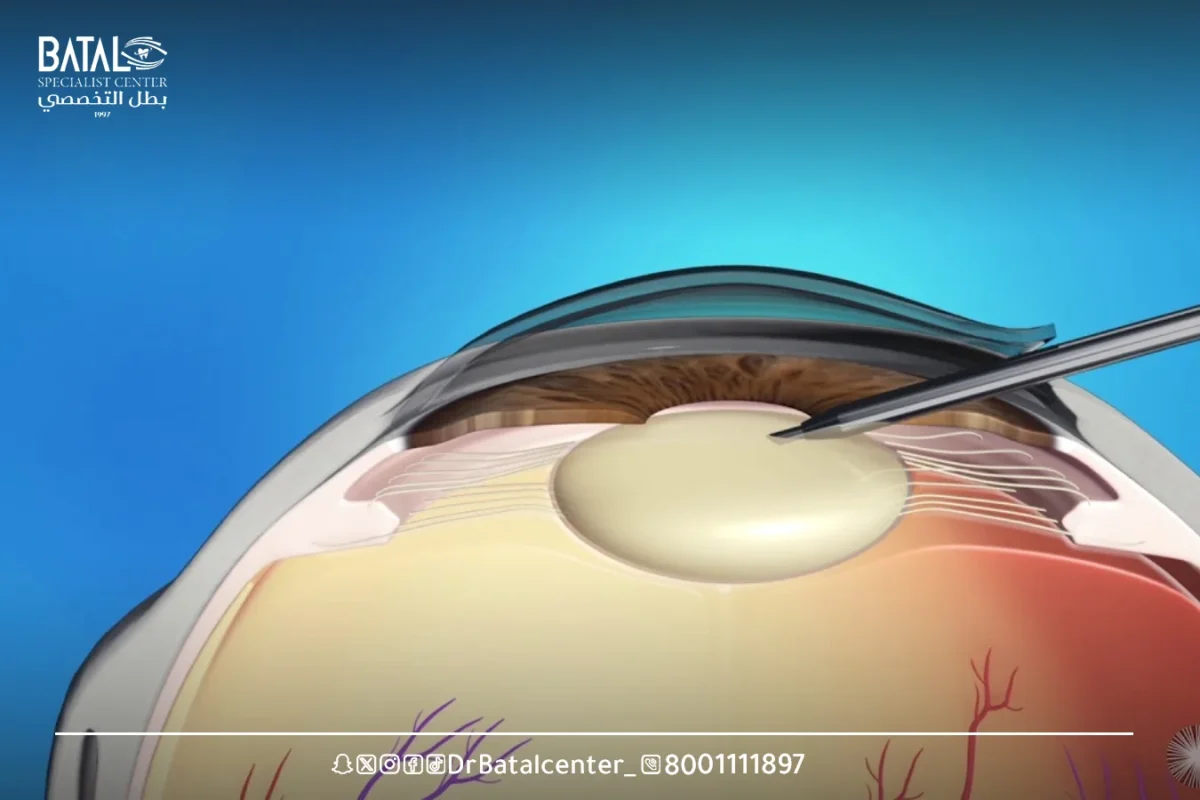
2. Creating a small opening or channel to allow the aqueous fluid to drain more easily
3. Sometimes placing a tiny drainage device or valve, depending on the technique used
4. Closing the incision with very fine sutures and checking eye pressure before the patient leaves
The procedure typically takes about 20 to 45 minutes, depending on the surgical technique.
Read more about: Treatment options for cataracts (white cataract)
What to Expect After Glaucoma Surgery?
In the first few days, it is normal for patients to experience:
– Mild pain or discomfort
– A feeling of grittiness or something in the eye
– Blurry or fluctuating vision
– Slight redness or tearing of the eye
These symptoms are common and usually improve gradually over the first several days.
Your doctor will prescribe eye drops to:
– Prevent infection (antibiotic drops)
– Reduce inflammation (steroid or anti-inflammatory drops)
– Help stabilize eye pressure as the eye heals
In most cases, pain is not severe and can be controlled with simple pain relievers.
If you experience severe pain or a sudden drop in vision, you must contact your doctor immediately.
How Long Does It Take to Recover from Glaucoma Surgery?
During the recovery period:
– Vision may be blurry at first, then slowly stabilize
– You will need to use your prescribed eye drops regularly
– You should protect your eye from trauma and avoid rubbing it
– You will attend follow-up appointments so the doctor can check eye pressure and wound healing
Full recovery and stabilization of vision and eye pressure may take several weeks.
Regular follow-up is a key factor in the long‑term success of the surgery.
What to Avoid After Glaucoma Surgery
During the first two weeks:
– Avoid rubbing or pressing on the eye
– Avoid heavy lifting and strenuous exercise
– Avoid bending your head down for long periods
– Avoid swimming pools and contaminated water entering the eye
It is also recommended to:
– Wear protective glasses outdoors to shield the eye from dust and sunlight
– Sleep on the side opposite the operated eye, especially in the first days
– Follow all medication instructions and attend every scheduled follow‑up visit
Cost of Glaucoma Surgery (Fluid Drainage) in Jeddah 2025
The cost of glaucoma surgery in Jeddah varies depending on the technique used, the surgeon’s experience, and the patient’s overall eye condition.
Other factors that may affect the price:
– Type of surgery (trabeculectomy, glaucoma drainage device, minimally invasive glaucoma surgery “MIGS”)
– Whether the procedure is combined with cataract surgery
– The level of the medical facility and technology used
Costs are often higher in very advanced cases or if the patient has had previous eye surgeries.
Why Do We Recommend Having the Surgery at the Eye Center in Batal Specialized Complex?
In conditions related to high intraocular pressure and glaucoma, precision in both the surgical technique and post‑operative follow‑up is the most critical factor. At the Eye Center in Batal Specialized Complex:
– Procedures are performed by ophthalmologists with extensive experience in glaucoma management and surgery
– Advanced diagnostic equipment is used to monitor the optic nerve and measure eye pressure accurately
– A personalized treatment and follow‑up plan is designed for each patient, according to disease severity and risk of progression
– Postoperative care focuses on adjusting medications and monitoring for any complications at an early stage

Our focus is not only on performing the surgery itself, but on preserving optic nerve function and preventing long‑term vision loss — and this is the key difference in treatment outcomes.
Book your medical consultation now, and our team will contact you within 24 hours.
Read more about: Cataracts (white cataract) — causes, symptoms, treatment, and prevention methods 2026