
Med info
Corneal Transplant: Your Complete Guide to Everything You Need to Know

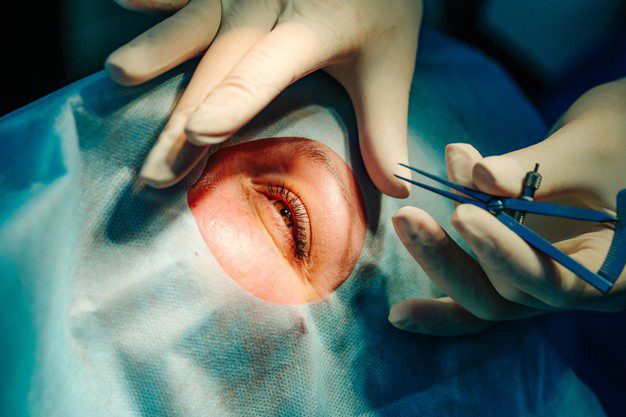
A corneal transplant is a surgical procedure in which a damaged or diseased cornea is replaced with a healthy, clear cornea from a suitable donor. This helps restore visual clarity, relieve eye pain, and improve overall vision quality.
The cornea is the transparent, outermost part of the eye that focuses incoming light onto the inner structures so we can see clearly. It consists of several layers that work together to form a sharp image of the world around us. When the cornea is injured, scarred, or its structure and function are altered, it loses its ability to properly focus light, leading to blurred or distorted vision.
When corneal repair or other treatments are no longer effective and all available options have failed to correct the vision problem caused by corneal disease, your doctor may recommend replacing your damaged cornea with a healthy human donor cornea.
Most corneal transplant procedures are successful, but recipients may still experience some complications. The most serious of these is rejection of the donor tissue. The donated cornea comes from a deceased person whose tissue is then used to help others in need. Donor corneas are carefully screened and tested to ensure they are disease‑free and suitable for transplantation.
Why Is a Corneal Transplant Performed?
In general, corneal transplantation is considered a last resort when all other medical and non‑surgical treatments have failed. The main goal is to restore and improve vision in patients with severe corneal disease in which the cornea is badly damaged and there is little or no chance of natural recovery. It also helps relieve eye pain and other symptoms associated with corneal disorders.
You may need corneal transplant surgery in the following situations:
The original text lists the indication line but not the bullet details; they can be added later if you have them.
Is Corneal Transplantation Successful?
Corneal diseases are the fourth leading cause of blindness worldwide, after glaucoma, cataracts, and age‑related macular degeneration. This makes protecting corneal health and treating corneal conditions extremely important.
Corneal transplantation is generally considered a very safe and effective procedure. It succeeds in restoring clearer, more accurate vision in about 75% of patients who receive a healthy donor cornea from individuals aged roughly 31 to 70 years. However, as with any surgery, there are potential risks and complications, including:
The most serious complication is graft rejection, which occurs in about 5% to 30% of patients. In this case, the immune system recognizes the transplanted cornea as foreign tissue and begins to attack it. There are several warning signs that may indicate rejection, such as:
– Eye redness
– Significant eye pain
– Light sensitivity (photophobia)
– Decreased or blurred vision
If you notice any of these symptoms, you should contact your eye doctor immediately.
Read also: Treatment of Keratoconus | What Techniques Are Available?
What Makes a Good Corneal Donor?
In the past, ophthalmologists were reluctant to use donor corneas from people older than 65. Today, however, studies suggest that a person’s cornea can remain healthy and functionally strong up to about age 70.
Donor tissue is thoroughly evaluated before transplantation to ensure it meets strict medical criteria. Unlike many other organ transplants, corneal transplantation does not usually require exact tissue matching between donor and recipient.
Donor corneas are obtained from deceased individuals who were in good health prior to death, with no evidence of systemic infectious diseases or conditions that could be transmitted to the recipient. The cause of death must also be known and medically acceptable.
When possible, younger patients are often given corneas from donors closer to their age, as this may have favorable long‑term outcomes for graft survival and function.
Is a Corneal Transplant Right for You, and How Should You Prepare?
Before deciding on a corneal transplant, you should be fully informed about potential risks and complications. Discuss your specific eye condition, symptoms, and expectations with your ophthalmologist, and ask whether this type of surgery is appropriate for you.
A few key steps help determine whether you are a good candidate for corneal transplantation:
– A comprehensive eye examination, including visual acuity testing and corneal imaging
– Assessment of other eye conditions (such as glaucoma or retinal disease) that could affect the outcome
– Review of your medical history, current medications, and previous eye surgeries
Once you and your surgeon decide to proceed and the eye center sets a surgery date, you will need a full vision exam so your doctor can document your baseline vision and later compare it to your vision after the transplant.
You will usually be asked to:
– Stop blood‑thinning medications (if medically safe) several days before surgery, according to your doctor’s instructions
– Use any prescribed eye drops or medications exactly as directed by your ophthalmologist
When Will Your Vision Improve After a Corneal Transplant?
Most patients who undergo a corneal transplant experience some degree of visual improvement, even if it is partial. The speed and extent of improvement depend on the underlying reason for transplantation, the severity of your corneal disease, and the presence of any other eye problems.
Your vision may initially be worse than it was before surgery due to postoperative swelling and healing. Over time, it usually improves gradually and may take several months to stabilize.
Once the outer surface of the eye has healed and the cornea begins to assume its new, regular shape, you may notice clearer vision within a few weeks. The timing of suture (stitch) removal, if needed, also depends largely on how quickly your eye heals. In some cases, sutures are left in place for a long period or are not removed at all, depending on the condition of your eye and the type of sutures used.
During the recovery period, you should follow these recommendations to achieve the best possible results:
– Use all prescribed eye drops (such as antibiotics and steroid drops) regularly
– Avoid rubbing or pressing on the eye
– Wear an eye shield at night, if recommended
– Protect your eyes from injury and avoid strenuous physical activities until your doctor clears you
– Attend all scheduled follow‑up appointments so your doctor can monitor healing and detect any early signs of rejection or complications
The cost of corneal transplantation in Jeddah varies depending on the hospital or eye center where the procedure is performed, the level of facility preparedness, and the quality and source of the donor tissue, as some surgeons prefer to import high‑quality corneal grafts preserved in international eye banks.

Keep in mind that this surgery requires long‑term follow‑up care that may extend for a year or more. It is essential to choose a highly qualified and experienced surgeon. You are welcome to visit our clinics to undergo all the necessary examinations and evaluations before deciding to proceed with corneal transplant surgery.