Med info
Why is choosing the corneal transplant surgeon the most critical factor for a successful outcome?

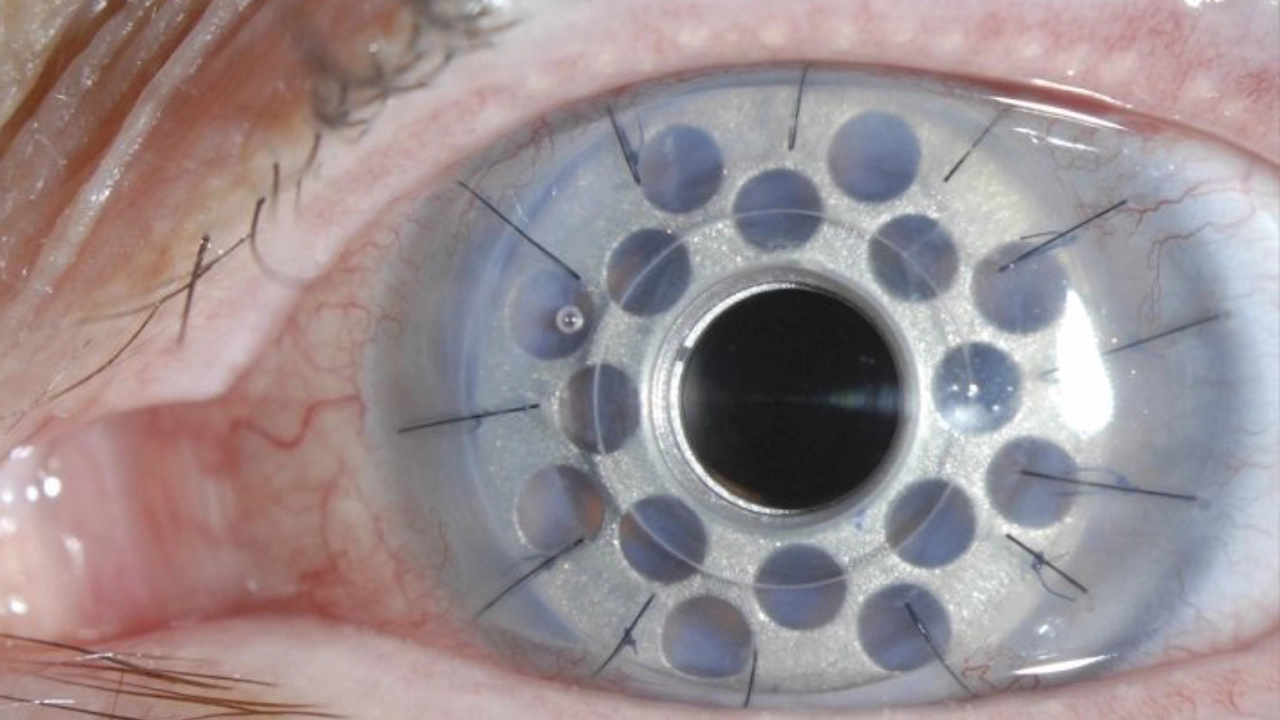
Selecting the best corneal transplant specialist in Jeddah is not just about the surgeon’s technical skills in the operating room; it directly affects the final quality of vision, the overall success rate of the procedure, and the likelihood of complications.
An experienced corneal transplant surgeon has the expertise to choose the most suitable graft type for each patient’s condition, manage complex corneal diseases, and apply the latest techniques—such as partial-thickness (e.g., DALK, DSAEK, DMEK) or full-thickness (penetrating) keratoplasty—according to the specific needs of each case.
A competent ophthalmologist will also ensure a thorough preoperative assessment, clearly explain all available treatment options, and design a meticulous postoperative follow-up plan to detect any early signs of graft rejection or raised intraocular pressure and address them promptly.
When looking for the best ophthalmologist in Jeddah for corneal transplantation, it is essential to consider their previous success rates and to choose a dedicated eye center equipped with a well-prepared operating theatre and a reliable eye bank. This integration between the surgeon’s expertise and the center’s facilities is what provides, by God’s will, the best chance for safe visual recovery and stable, long-term results.
Criteria for Choosing the Best Corneal Transplant Specialist in Jeddah
When searching for the best corneal transplant doctor in Jeddah, it’s essential to focus on a set of medical and scientific standards that ensure both the safety and success of the procedure.
Foremost among these is that the physician should be a consultant ophthalmologist with a fellowship or subspecialty training in corneal surgery and corneal transplantation, supported by documented hands-on experience and a high number of successful surgeries.
It is preferable to choose a corneal transplant specialist who practices in a dedicated eye hospital or center in Jeddah, equipped with state-of-the-art technology such as advanced surgical microscopes and systems for both partial-thickness and full-thickness corneal transplantation.
The surgeon’s reputation, previous patients’ reviews, and postoperative complication rates are also key indicators of professional competence.
You should additionally make sure that the doctor takes the time to explain the treatment plan in detail, is transparent about potential risks and expected outcomes, and is committed to providing adequate postoperative follow-up.
The more these criteria are met in a corneal transplant surgeon in Jeddah, the higher the likelihood of achieving the best possible outcomes in improving vision and preserving eye health.

When Is Corneal Transplantation the Most Appropriate Treatment Option?
Corneal transplantation becomes the most suitable treatment when the cornea is so opaque or distorted that it significantly impairs visual clarity and no longer responds to conservative treatments such as glasses, contact lenses, or laser procedures.
In such cases, the best corneal transplant specialist in Jeddah will perform a thorough assessment of corneal thickness, transparency, and visual acuity before deciding on surgery.
Corneal transplantation is frequently recommended in advanced keratoconus, deep corneal scarring following infections or trauma, chronic corneal edema (swelling) due to endothelial cell failure, or after previous eye surgeries that have compromised corneal clarity.
This procedure also becomes essential when corneal opacity interferes with daily activities such as reading or driving, or causes severe visual distortion that cannot be corrected with lenses.
Choosing the best corneal transplant surgeon in Jeddah helps ensure optimal timing of the operation and selection of the most appropriate type of transplant for each case, thereby improving the chances of a successful outcome and achieving stable, safe vision in the long term.
How Does the Patient’s Journey with a Corneal Transplant Specialist Unfold?
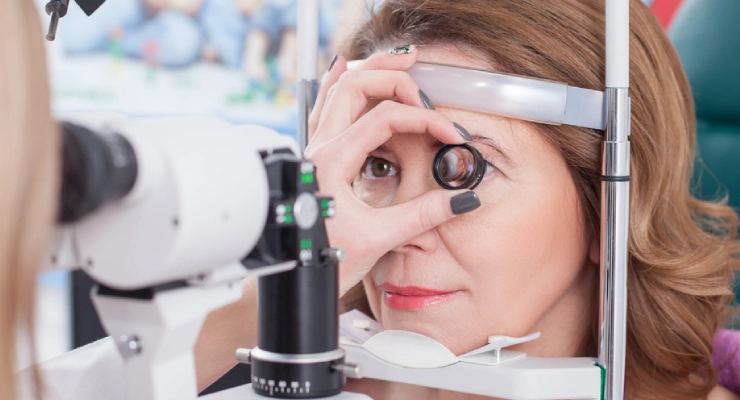
The patient’s journey with the best corneal transplant specialist in Jeddah begins with a detailed consultation, during which the ophthalmologist performs a comprehensive eye examination. This includes measuring corneal thickness, assessing visual acuity, and determining the cause of corneal opacity or ulceration in order to decide whether the patient needs a full-thickness (penetrating) corneal transplant or a partial-thickness (lamellar) transplant.
The doctor then discusses the available treatment options, the expected visual outcomes, and the potential risks, and formulates an individualized treatment plan tailored to the patient’s specific condition.
After that, coordination takes place to obtain a healthy donor cornea from an accredited eye bank. The corneal transplant is then performed under local or general anesthesia, depending on the case, using advanced microsurgical techniques to maximize safety and preserve the surrounding ocular tissues.
Following surgery, the patient enters a scheduled follow‑up program with the corneal transplant surgeon to monitor corneal healing, adjust glasses or contact lens prescriptions if needed, and adhere to topical immunosuppressive eye drops to reduce the risk of graft rejection.
Regular follow‑up visits continue over several months to ensure stable vision, achieve the best possible visual outcome, and help the patient regain their ability to see clearly and carry out daily activities with confidence.
Comprehensive Evaluation and Accurate Diagnosis
A patient’s journey with a corneal transplant specialist in Jeddah always begins with a thorough evaluation and precise diagnosis.
The best corneal transplant surgeon in Jeddah performs a complete eye examination that includes visual acuity testing, slit-lamp examination of the cornea, as well as corneal topography and pachymetry.
The aim of this assessment is to determine the cause of corneal opacity, edema, or distortion—whether due to keratoconus, post‑inflammatory scarring, or complications following previous ocular surgery.
With this advanced diagnostic work‑up, the surgeon can decide whether the patient is a suitable candidate for a full‑thickness penetrating keratoplasty or a partial‑thickness corneal transplant, or if there are less invasive treatment alternatives.
The more accurate the diagnosis, the higher the likelihood of a successful corneal transplant and significant long‑term visual improvement.
Selecting the Most Appropriate Technique
Once the evaluation is complete, the leading corneal transplant surgeon in Jeddah moves on to selecting the most suitable surgical technique for each individual case.
There is no “one‑size‑fits‑all” approach; the type of corneal transplant is chosen based on corneal thickness, degree of scarring or fibrosis, and the condition of the retina and optic nerve, in addition to the patient’s age and lifestyle.
Depending on the underlying problem, the surgeon may recommend a full‑thickness Penetrating Keratoplasty (PK), or a partial‑thickness anterior or posterior lamellar keratoplasty such as DALK (Deep Anterior Lamellar Keratoplasty) or DMEK / DSAEK for endothelial keratoplasty.
Choosing the right technique helps reduce the risk of graft rejection, speeds up recovery, and enhances visual quality—key factors that distinguish top corneal surgeons in Jeddah.
At this stage, patients gain reassurance that their treatment plan is tailored specifically to their condition to achieve the best possible outcome.
Performing the Surgery Safely
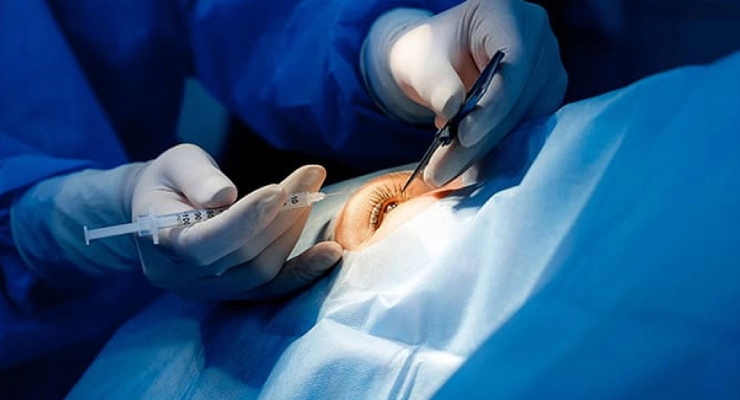
When it comes to the operation itself, the best corneal transplant surgeons in Jeddah adhere to the highest safety and quality standards in the operating room.
Corneal transplantation is performed under local or general anesthesia depending on the patient’s condition, using an advanced surgical microscope and highly precise instruments to ensure accurate trephination and suturing.
The surgeon follows strict sterilization protocols and takes special care to preserve the viability and integrity of the donor corneal tissue, which is sourced from accredited eye banks.
The new cornea is secured with fine sutures, taking into account corneal curvature to reduce the likelihood of postoperative astigmatism and other refractive irregularities.
The goal at this stage is to carry out the transplant with maximal safety and minimal complications, thereby improving vision and maintaining corneal stability over the long term.

Continuous Postoperative Follow‑Up
A patient’s journey with the corneal transplant specialist does not end when the surgery is over; a crucial phase begins with ongoing postoperative follow‑up.
The best corneal transplant doctors in Jeddah schedule regular follow‑up visits to monitor graft clarity and stability, check visual acuity, and detect any early signs of graft rejection or elevated intraocular pressure.
During these visits, the doctor adjusts the dosage of topical immunosuppressive eye drops and lubricants, and may prescribe or modify glasses or specialty contact lenses to optimize visual outcomes.
Careful follow‑up enables early detection and management of any problems before they compromise the success of the graft.
Through this continued care, patients can feel confident in their surgeon and enjoy the best chance of maintaining a clear graft, better vision, and greater comfort in daily life.
Book an Appointment with the Best Corneal Transplant Specialist in Jeddah
If you’re looking for the best corneal transplant specialist in Jeddah, scheduling an early appointment with an ophthalmologist who is highly experienced in corneal surgery is a crucial step to protecting your vision and improving your quality of life.
The success of a corneal transplant depends largely on the surgeon’s expertise, the accuracy of the preoperative assessments, and choosing the most suitable type of graft for your condition, whether a full-thickness penetrating keratoplasty or a partial-thickness lamellar keratoplasty.
A corneal transplant specialist in Jeddah will provide a comprehensive evaluation of your eyes, including visual acuity testing, assessment of the corneal surface, measurement of intraocular pressure, and a thorough review of your medical history and current medications before making any surgical decision.
During the consultation, it’s important to ask about the procedure’s success rates, the expected recovery timeline, and the post‑operative care instructions, to ensure proper healing of the corneal tissue and to minimize the risk of graft rejection or infection.
Book your appointment now with a corneal transplant–specialized ophthalmologist in Jeddah, either by calling the clinic directly or through online booking, and begin a safe treatment journey based on solid medical standards and comprehensive professional care.