
Med info
Conjunctivitis: Types, Causes, and Treatment 2026


Many people develop conjunctivitis, which can cause visual discomfort along with a number of annoying symptoms. Because the causes of this inflammation vary, it is important to understand it clearly in order to prevent it, reduce the risk of transmission, and choose the most appropriate treatment options. This article will walk you through conjunctivitis in detail.
What Is Conjunctivitis?
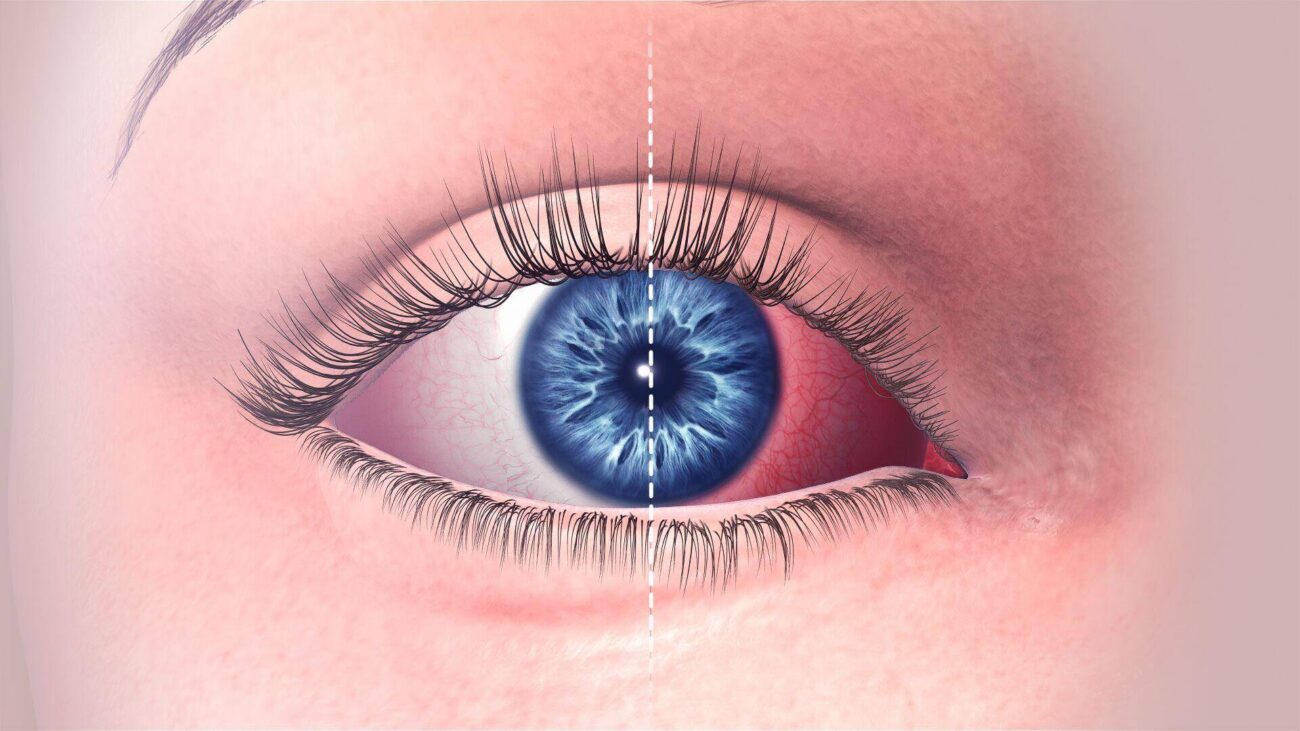
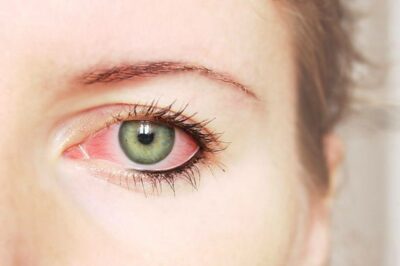
Conjunctivitis, often called “pink eye,” is an inflammation or infection of the thin, transparent tissue (the conjunctiva) that lines the inside of the eyelids and covers the white part of the eyeball. When the tiny blood vessels in the conjunctiva become inflamed, they become more visible, which makes the white of the eye look red or pink.
Conjunctivitis is usually caused by a bacterial or viral infection, or by an allergic reaction. In infants, it may occur because the tear duct has not fully opened yet. Although conjunctivitis can be uncomfortable, it rarely affects vision permanently. Treatment mainly helps ease the irritation and discomfort in the inflamed conjunctiva. Since conjunctivitis can be contagious, early diagnosis and proper management can help limit its spread.
Conjunctivitis in English
Conjunctivitis is the English medical term for التهاب ملتحمة العين and is commonly known as “pink eye.” It refers to inflammation of the conjunctiva caused by allergies or infection. The eyes often appear red and swollen, and may produce sticky discharge at times. Conjunctivitis can affect one eye or both eyes.
[box] Related articles you may find helpful:
– Blepharitis (scaly eyelid inflammation): what you need to know
– Eyelid dermatitis: causes and key information
– How to treat blepharitis quickly
– Dacryocystitis: causes, symptoms, and treatment
– Optic neuritis: symptoms and causes
– Acanthamoeba keratitis: causes and diagnosis
– What is bacterial conjunctivitis and how is it treated?
– Eyelid dermatitis: an overview
– Conjunctivitis
– Keratitis: symptoms, causes, and diagnosis
– Retinitis pigmentosa: symptoms and causes
– Retinitis pigmentosa
– Corneal inflammation: risks and symptoms
– Conjunctivitis: types, causes, and treatment
– Keratitis symptoms and treatment information
– My experience with uveitis
– Eye inflammation in children
[/box]
Types of Conjunctivitis
Conjunctivitis types are generally classified based on whether the condition is contagious or not. Below is an overview of the main types:
Infectious Conjunctivitis
Infectious conjunctivitis is usually caused by bacteria or viruses that infect the eye. Common symptoms include tearing, redness, and discharge from the eye. Good eye hygiene plays a key role in preventing the spread of this type of conjunctivitis.
Allergic Conjunctivitis
Allergic conjunctivitis is the term used to describe inflammation of the conjunctiva triggered by an allergic reaction to airborne allergens. It develops as an immune response to substances such as animal dander, pollen, cigarette smoke, or other irritants. This type usually causes intense eye itching, redness, tearing, and sometimes swelling of the eyelids.
Chemical Conjunctivitis
Chemical conjunctivitis occurs when a chemical spray or substance comes into contact with the eye. The eye often becomes red and irritated as it attempts to flush out the chemical. Symptoms such as mucous discharge and increased tearing usually resolve on their own within about 24 hours, without the need for medical intervention, provided the exposure was mild and the eye has been rinsed properly.
Noninfectious Conjunctivitis
Noninfectious conjunctivitis refers to eye inflammation that is not transmitted through infection from person to person. It can result from a variety of underlying causes, including the following:
Bacterial Conjunctivitis
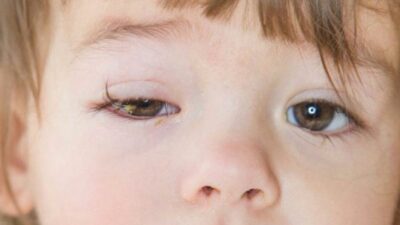
Bacterial conjunctivitis is actually highly contagious and is considered one of the main infectious forms. It typically causes redness, eye discomfort or pain, and thick, sticky pus-like discharge. However, some bacterial infections may produce very little or even no discharge. In certain cases, the same bacteria that cause sore throat can also cause bacterial conjunctivitis. This type is particularly common in school‑age children and young adults.
Viral Conjunctivitis
Viral conjunctivitis is the most common form of conjunctivitis and is highly contagious. It frequently spreads in schools and other crowded environments. It usually causes eye redness, a burning or gritty sensation, and copious watery discharge. In many cases, the virus responsible is the same one that causes runny nose and sore throat in people with common colds.
Herpetic Conjunctivitis
Herpetic conjunctivitis is a viral inflammation affecting the cornea, the clear front surface of the eye. It is primarily caused by the herpes simplex virus (HSV). While herpes simplex virus type 2 more commonly affects the genital area, ocular infections are usually due to herpes simplex virus type 1. Infection can involve different layers of the cornea and trigger significant inflammatory reactions that may threaten vision if not treated promptly.
Causes of Conjunctivitis
The causes of conjunctivitis vary from one case to another. The most common causes include:
– Viral infections (often associated with colds and upper respiratory infections)
– Bacterial infections (such as staphylococcal or streptococcal species)
– Allergic reactions to pollen, dust mites, pet dander, or other allergens
– Chemical exposure (such as chlorine, smoke, or irritating sprays)
– Blocked tear ducts in newborns
– Contact lens misuse or poor lens hygiene
– Irritants such as foreign bodies, air pollution, or cosmetic products
Symptoms of Conjunctivitis
Common signs and symptoms of conjunctivitis include:
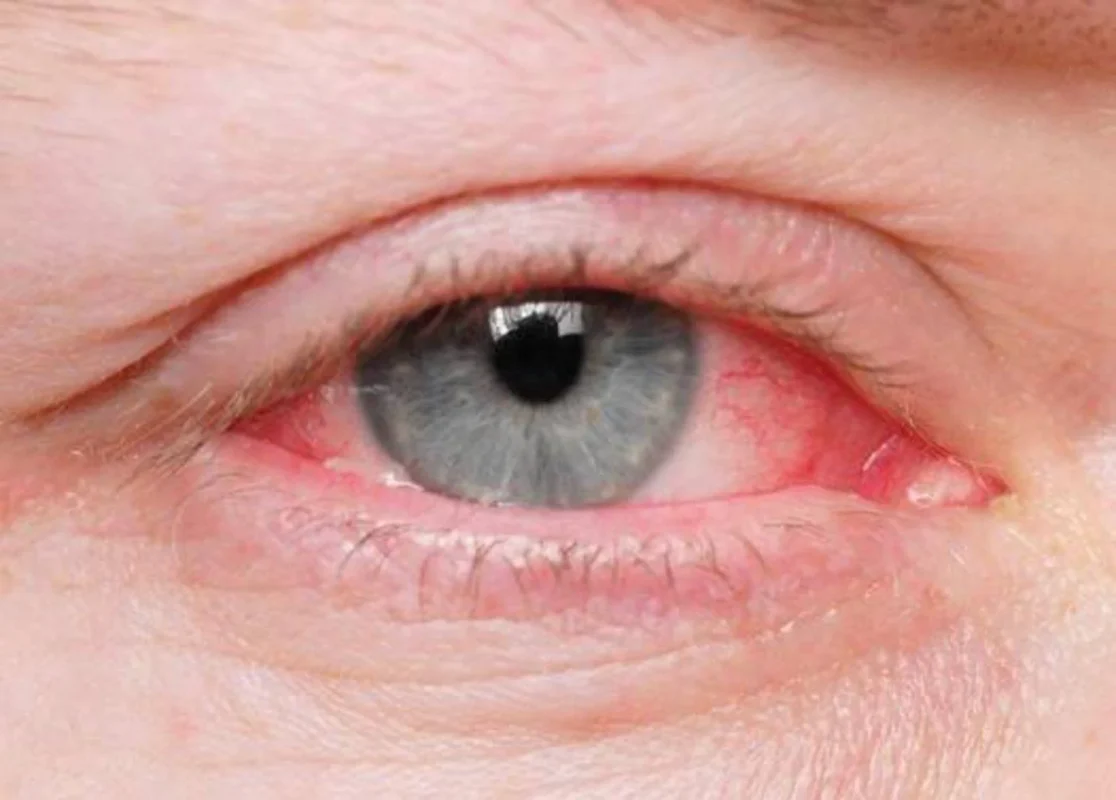
– Redness in the white of the eye and inner eyelid
– A gritty, burning, or irritating sensation in the eye
– Excess tearing (watery eyes)
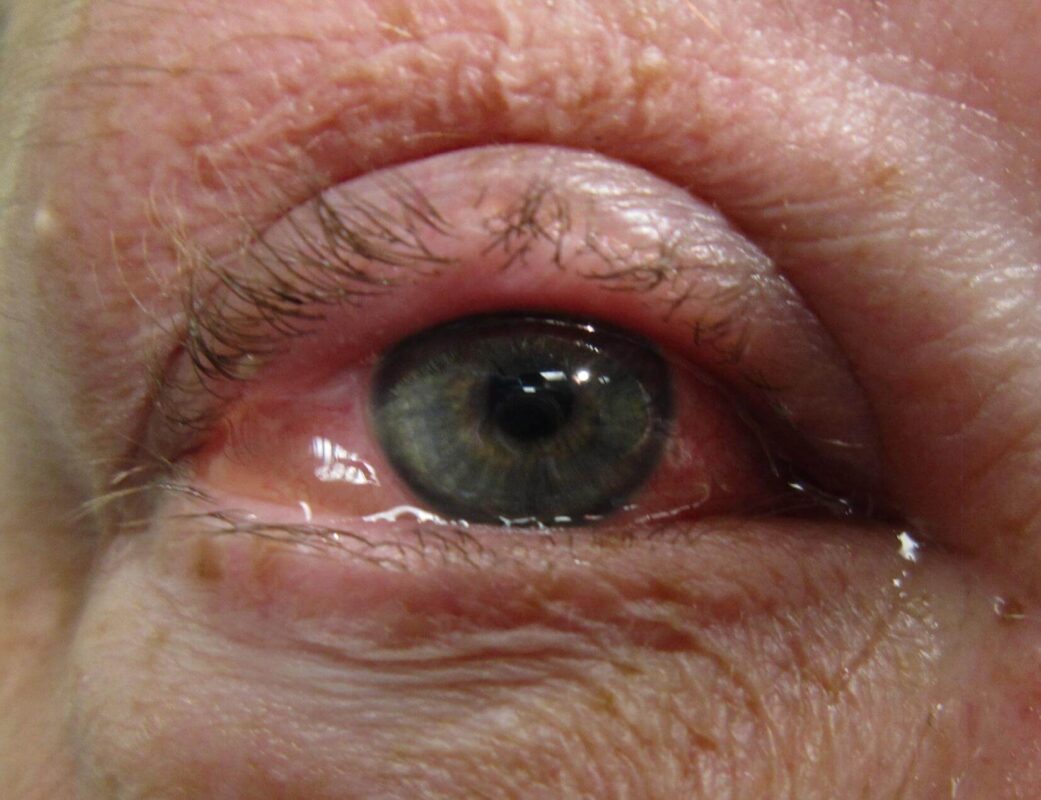
– Discharge that may be clear, mucous‑like, or pus‑like; it may crust over the eyelashes, especially after sleep
– Itching (more prominent in allergic conjunctivitis)
– Sensitivity to light (photophobia) in some cases
– Swollen eyelids
اقرأ أيضًا: علامات نجاح عملية انفصال الشبكية
Treatment of Conjunctivitis
Treatment for conjunctivitis generally focuses on relieving symptoms. An eye specialist may recommend:
– Artificial tears (lubricating eye drops)
– Gently cleaning the eyelids with a clean, damp cloth
– Applying cold or warm compresses to the closed eyelids several times a day
– Stopping the use of contact lenses until the eye has completely healed
In most cases, antibiotic eye drops are not necessary. Because conjunctivitis is frequently viral, antibiotics will not help and may even cause unwanted side effects or allergic reactions. The viral infection is usually allowed to run its course, which commonly takes about two to three weeks.
Viral conjunctivitis often starts in one eye and spreads to the other eye within a few days. In more severe or specific viral infections (such as herpetic eye disease), antiviral medications may be prescribed by the ophthalmologist.
اقرأ أيضًا: اختبار عمى الألوان وكل ما تود معرفته عنه
How Can You Protect Yourself from Infectious Conjunctivitis?
At the Eye Center of Al-Batal Specialized Complex, we recommend the following measures to help prevent infectious conjunctivitis:
– Wash your hands frequently with soap and water, especially before touching your eyes or face
– Avoid rubbing or touching your eyes with unwashed hands
– Do not share towels, washcloths, pillows, makeup, or eye drops with others
– Replace or properly disinfect contact lenses as instructed and avoid sleeping with lenses unless specifically approved
– Dispose of eye cosmetics (such as mascara) that may have come into contact with infected eyes
– Clean frequently touched surfaces such as doorknobs, phones, and keyboards regularly
اقرأ أيضًا: تكلفة عملية انفصال الشبكية في السعودية
In conclusion, we have outlined what conjunctivitis is, discussed its main causes and symptoms, and reviewed preventive strategies. You can contact us at the Eye Center in Al-Batal Specialized Complex to begin appropriate treatment for various eye inflammations.
Conjunctivitis in Pictures

Frequently Asked Questions About Conjunctivitis
How is conjunctivitis treated?
Treatment depends on the underlying type of conjunctivitis. For example, antibiotic eye drops are used when the inflammation is caused by a bacterial infection, whereas viral and allergic types require different approaches.
Is conjunctivitis dangerous?
It depends on the specific type and cause. While many cases are mild and self‑limited, some forms—especially those involving herpes viruses or affecting the cornea—can be serious and require urgent specialist care.
How long does conjunctivitis take to heal?
Uncomplicated conjunctivitis usually resolves within about two to three weeks, depending on the cause and the person’s overall health.
What causes sudden eye inflammation?
Sudden redness and irritation of the eye may be due to a bacterial or viral infection, or to an allergic reaction to an irritant or allergen.
Where is the conjunctiva located?
The conjunctiva lies directly behind the corneal margin. It lines the inner surface of the eyelids and then folds back to cover the sclera (the white part of the eye).
Which eye drops are used for conjunctivitis?
The choice of eye drops depends on the patient’s condition and the specific cause. One commonly prescribed antibiotic combination drop is polymyxin‑containing eye drops, but the exact medication should always be determined by an eye doctor.
What does the term “conjunctiva” mean?

The conjunctiva is the thin, transparent membrane that lines the inner surface of the eyelids and folds back to cover the sclera, helping protect and lubricate the eye.