
Med info
Common Dental Problems and How to Treat Them

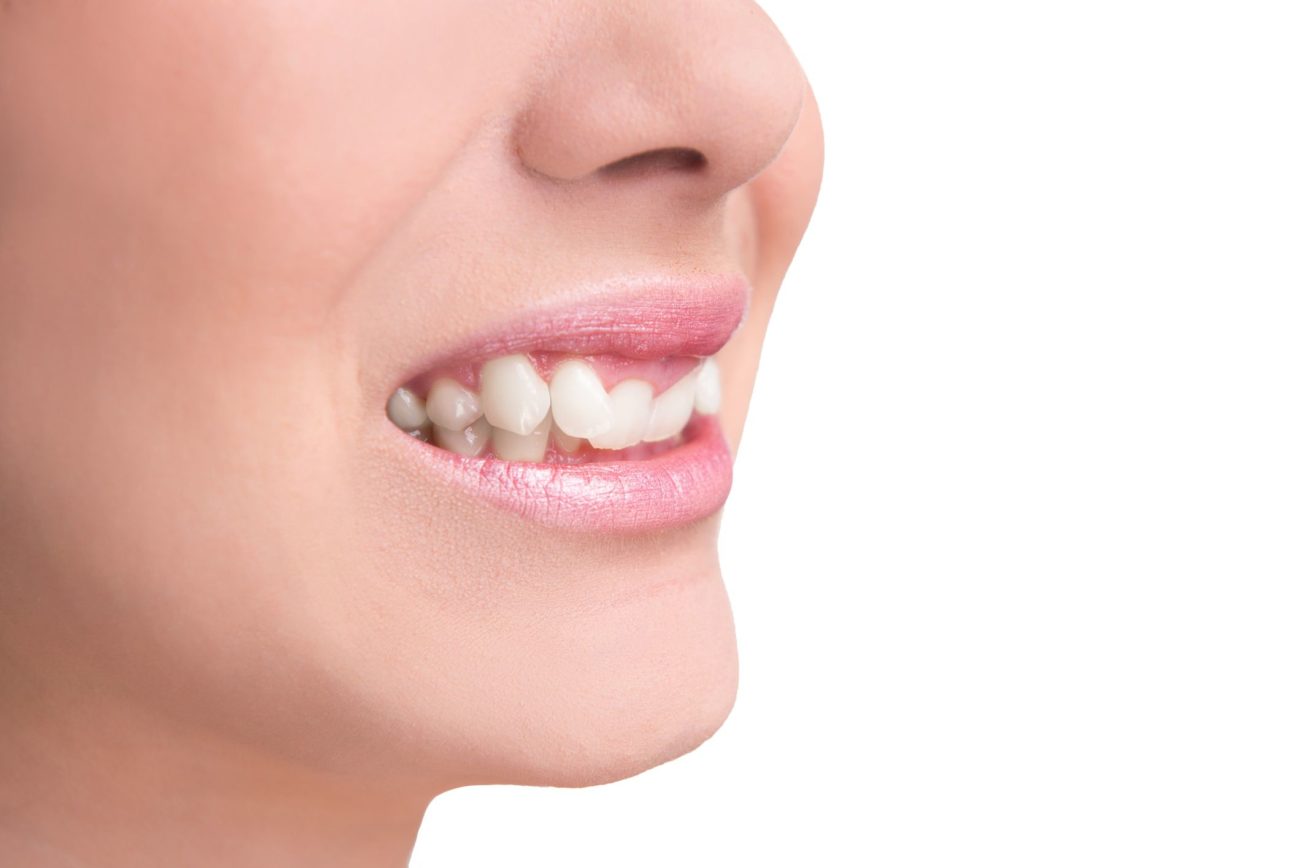
We all want healthy teeth and gums for a confident smile, fresh breath, and a boost in self‑esteem. But did you know that about half of all adults struggle with bad breath (also known as halitosis)? It’s one of the most common dental problems—and also one of the most treatable.
Below is an overview of bad breath and several other common dental issues, along with treatment options for each.
Read also: Local Anesthesia for Teeth | Types and Side Effects
The Most Common Dental Problems
Tooth Decay
Tooth decay, also known as dental caries, is the most common dental problem dentists see in their patients. Practically everyone has experienced tooth decay at some point in their life.
Tooth decay develops when bacteria form a sticky film called plaque on the surface of your teeth.
These bacteria produce acids from the sugars in food. Over time, these acids erode and permanently damage the tooth enamel, which is the outer layer of the tooth. After that, the acids start attacking the softer layer underneath the enamel, called dentin.
This breakdown can lead to cavities (holes in the teeth) and may also cause toothaches, including pain when you eat or drink something hot, cold, or sweet.
Other possible symptoms of tooth decay include:
Dental care for tooth decay starts with assessing how severe the decay is and then recommending an appropriate treatment plan. This may include fillings, dental crowns, or root canal treatment. In some cases, the best option is extraction followed by a dental implant or dentures.
Read also: Tooth Fracture | Causes, Symptoms, and Treatment
Gum Disease
Gingivitis is the early and mild stage of gum disease. It’s a bacterial infection caused by plaque buildup. Common symptoms include red, swollen gums that bleed easily. You may also notice bad breath and tooth sensitivity or pain when chewing.
Skipping brushing or using poor brushing and flossing techniques can contribute to gum disease. Crooked or crowded teeth that are difficult to clean properly also increase risk. Other risk factors include tobacco use, pregnancy, and diabetes.
It’s important to understand that gingivitis can be painless, so you might not notice it. That’s why regular dental check‑ups are so important. Gingivitis can usually be treated with a thorough professional cleaning by a dental hygienist. To keep it from coming back, you’ll need to brush and floss twice a day as recommended.
Read also: Treatment of Swollen Gums at Batal Specialized Complex
Bad Breath (Halitosis)
Certain foods you eat can also cause bad breath. Pungent ingredients like garlic and onions are common culprits.
Because bad breath can have many different causes, your dentist will perform a complete evaluation and then recommend the course of action that best fits your situation.
Read also: Hollywood Smile | Cost and Everything You Need to Know
Tooth Sensitivity
Your teeth become sensitive to hot and cold foods and drinks when the enamel wears away and exposes the dentin. Dentin contains tiny tubules that lead directly to the nerve deep inside the tooth. Heat or cold can travel through these tubules to the nerve and trigger sharp pain. Tooth sensitivity—also called dentin hypersensitivity—can be caused by tooth decay.
Other possible causes include:
Read also: Everything You Need to Know About Periodontal Pockets
You may also have sensitive teeth simply because your enamel layer is naturally thin. There are special toothpastes and mouthwashes formulated for sensitive teeth. Your dentist may also recommend fluoride treatment, a dental crown, gum grafting, or root canal therapy. The treatment chosen will depend on how severe your condition is.
Cracked or Broken Teeth
Read also: Zirconia Crowns | Types, Benefits, Advantages, Disadvantages, and How Long They Last
How Should I Brush My Teeth and How Long Should I Brush For?
You should brush your teeth for two minutes, twice a day, using a fluoride toothpaste. Choose a soft‑bristled toothbrush that fits comfortably in your mouth, and hold it at a 45‑degree angle to your gumline while brushing.
How Often Should I See the Dentist?
There’s no one‑size‑fits‑all schedule for dental visits. Some people need to see the dentist once or twice a year, while others may need more frequent appointments. Talk with your dentist about how often you should come in for check‑ups and cleanings.
What Should I Look For When Choosing a Dentist?

You may want to call or visit more than one dentist before making your decision. Dental care is very personal and requires a good relationship between you and your dentist. During your first visit, you should be able to tell whether this dentist is the right fit for you.
The dentists at Batal Specialized Complex are an excellent choice for your care.