Med info
Children’s Vision Problems: Causes, Symptoms, and Early Treatment

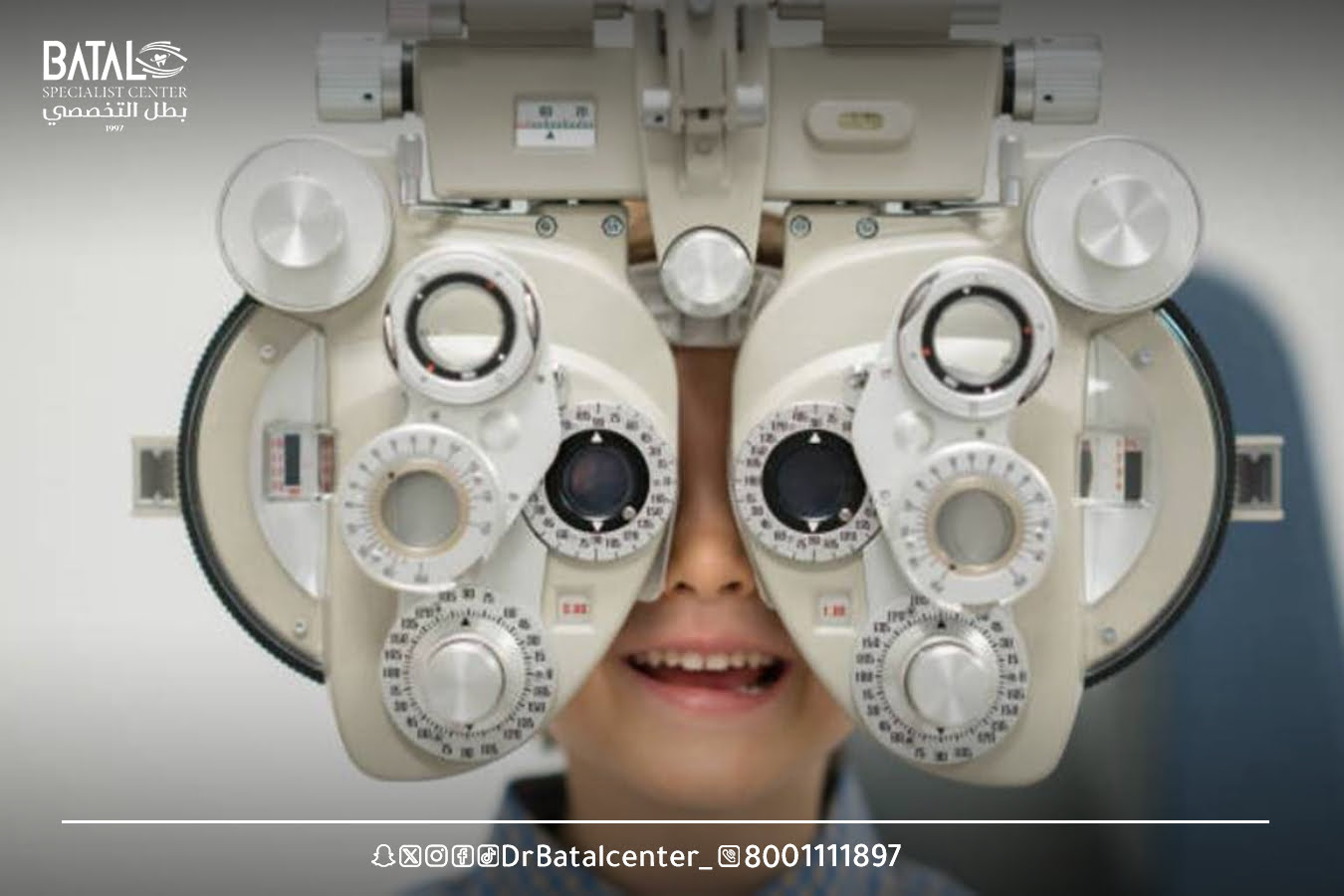
What Is Poor Vision in Children and Why Does It Occur at an Early Age?
Poor vision in children affects 1 in every 20 preschoolers and 1 in every 4 school-aged children.
Many visual problems begin in early childhood, and if left untreated, they may worsen over time and affect a child’s learning ability, behavior, and self-confidence.
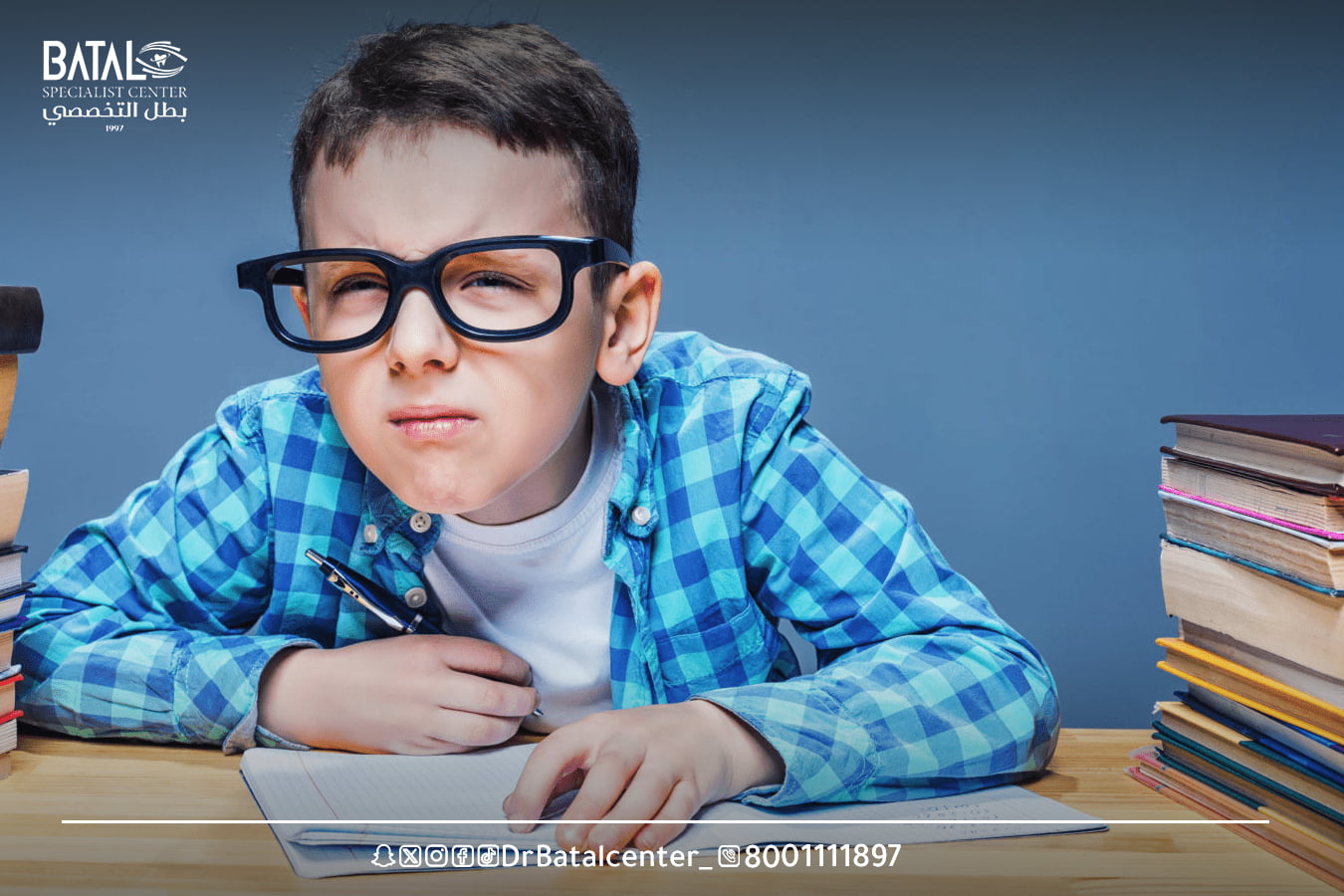
Early signs of visual impairment are often subtle — a child may appear inattentive or slow in school when the real issue lies in their eyesight rather than their intelligence.
Despite the challenges that poor vision may bring, a pediatric ophthalmologist can provide various treatment strategies and visual aids to help children make the most of their vision.
At Batal Eye Center in Jeddah, the Presbyond laser technology is one of the most advanced and precise options for safely correcting vision in children.
Symptoms of Poor Vision in Children to Watch For
Monitoring early signs is crucial for timely diagnosis and treatment.
Pay attention to these common indicators:
- Difficulty seeing near or distant objects
- Holding books or devices very close to the face, or eye strain after reading
- Strabismus or eye misalignment (inward or outward deviation)
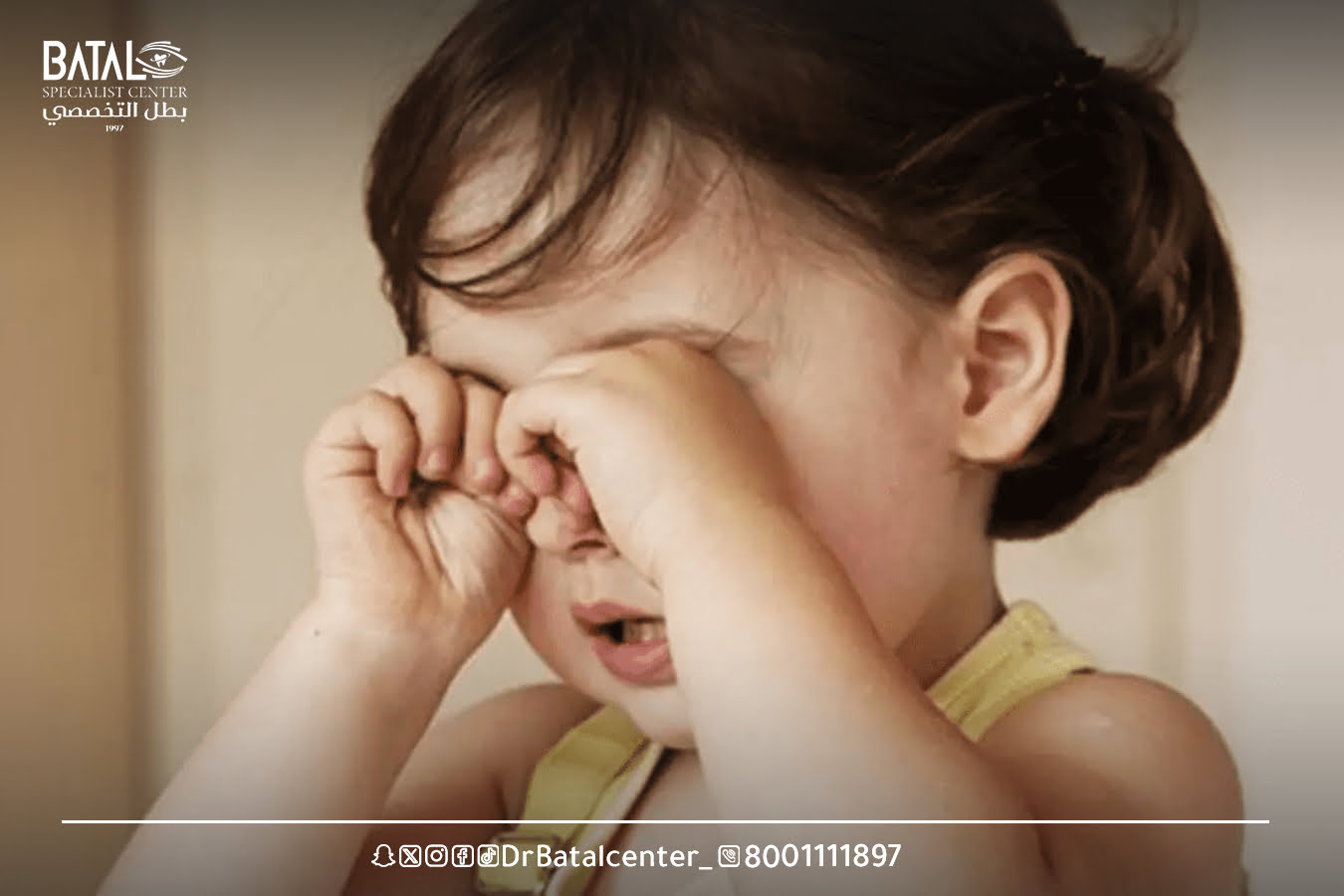
- Frequent eye rubbing or excessive tearing
- Light sensitivity or squinting one eye when focusing
- Covering one eye when reading or watching TV
- Recurring headaches or difficulty concentrating
- Poor school performance or trouble seeing the board from the back row
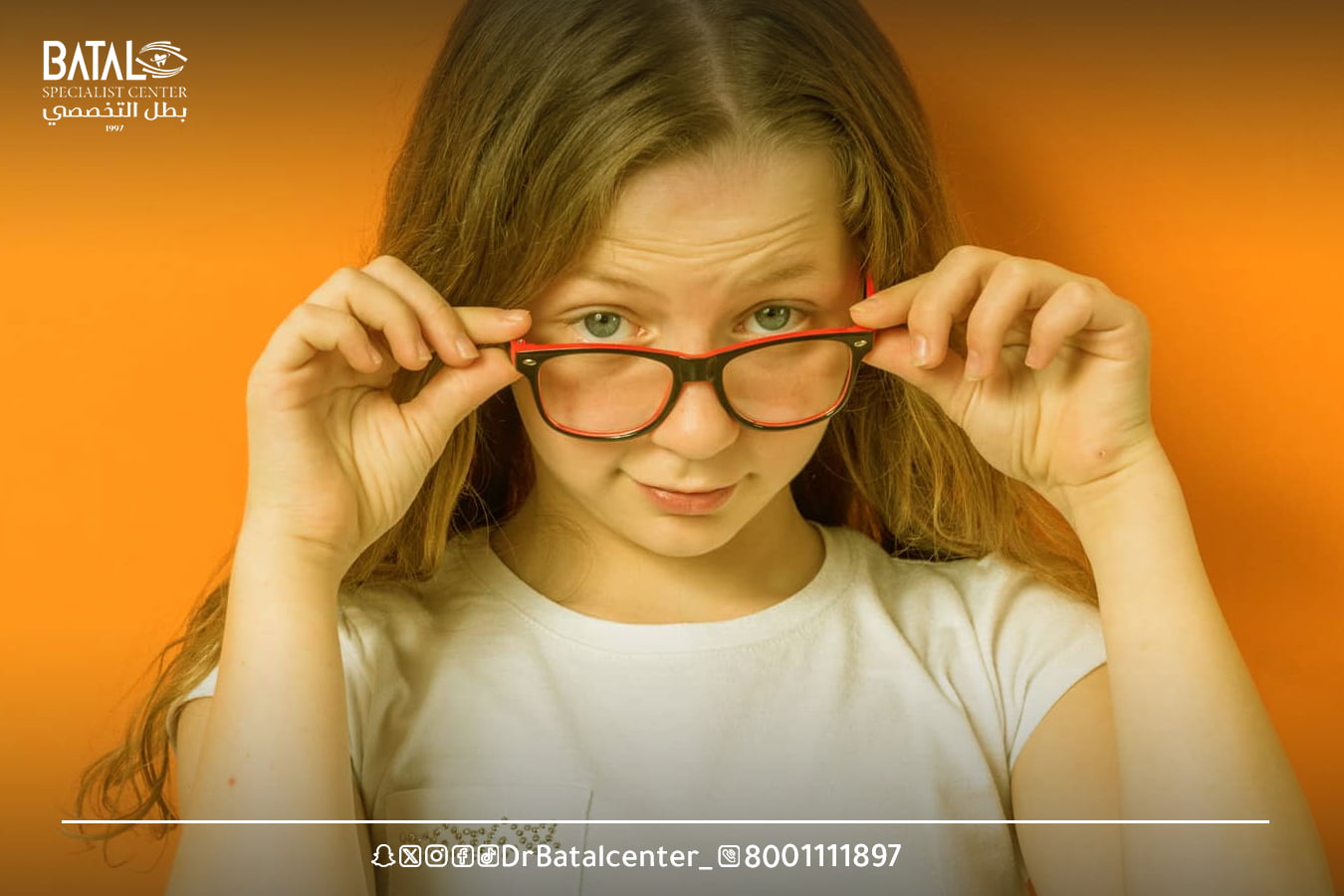
Early Signs of Visual Impairment in Children
- Difficulty tracking moving objects such as balls or toys
- Trouble recognizing familiar faces
- Avoiding activities that require visual focus (reading, watching TV)
- Preferring close-range play, keeping toys very near the eyes
If any of these signs appear, schedule a comprehensive eye exam with a pediatric ophthalmologist as soon as possible.
Causes of Poor Vision in Children: Genetic, Environmental, and Health-Related Factors
Poor vision in children may stem from genetic, environmental, or structural/medical causes affecting the eyes.
Genetic Factors
Conditions like myopia (nearsightedness), hyperopia (farsightedness), and astigmatism can be inherited from parents.
Environmental Factors
- Excessive screen time
- Poor lighting while studying or reading
- Improper viewing distance from digital devices
- Limited exposure to natural daylight
Eye Diseases
- Strabismus (lazy eye)
- Cataract (clouding of the lens)
- Glaucoma
- Retinopathy of prematurity (ROP)
Structural Eye Abnormalities
Some congenital conditions—such as congenital cataract, coloboma (hole in eye tissue), or optic nerve atrophy—can cause long-term visual impairment.
Degrees of Poor Vision in Children (by Severity)
The severity of visual impairment varies among children and can be classified into three levels:
Mild Vision Impairment
The child may struggle to see distant details (like the classroom board) but still has fairly good near vision.
Moderate Vision Impairment
Affects both near and distant vision, often causing eye strain, headaches, and difficulty focusing during reading or studying.
Severe Vision Impairment
Everyday visual tasks become challenging — such as recognizing faces or reading books — even with corrective lenses.
| Degree | Approx. Visual Acuity | General Description |
|---|---|---|
| Mild | Worse than 6/12 | Slight difficulty seeing distant objects clearly |
| Moderate | Worse than 6/18 | Trouble distinguishing details at various distances |
| Severe | Worse than 6/60 | Significant loss of ability to perform daily visual tasks |
Can Poor Vision in Children Improve?
The improvement of poor vision in children depends on the underlying cause and how early treatment begins:
- Refractive errors (myopia, hyperopia, astigmatism):
Yes — these conditions usually improve with glasses, contact lenses, or modern vision correction techniques. - Genetic or neurological causes (optic nerve atrophy, Leber congenital amaurosis):
Full recovery is often not possible, but visual function can be enhanced through low-vision rehabilitation and assistive devices. - When detected early:
The earlier the diagnosis and intervention, the greater the chance of achieving normal or near-normal vision — especially before school age.
In short: the sooner the problem is detected and treated, the better the prognosis.That’s why Batal Eye Center ophthalmologists recommend annual eye exams for children.
Treatment Options for Poor Vision in Children: From Glasses to Surgery
Treatment depends on the cause and severity of the condition and may include:
Prescription Glasses
The most common and effective solution for correcting refractive errors (myopia, hyperopia, astigmatism).
They improve clarity and reduce eye strain.
Contact Lenses
Used as an alternative or in combination with glasses for more precise correction.
They require proper hygiene and supervision by an eye specialist.
Surgery
In certain cases, surgical procedures may be necessary to correct:
- Eye misalignment (strabismus)
- Cataract removal
- Congenital structural abnormalities
Presbyond Technology at Batal Eye Center for Treating Poor Vision in Children
Batal Eye Center in Jeddah offers the cutting-edge Presbyond laser vision correction — one of the safest and most precise techniques available.
It works by reshaping the corneal surface with laser energy, customized to the child’s age and degree of visual impairment, without harming the natural corneal tissue.
Advantages:
- Remarkable improvement in visual sharpness
- Reduced dependence on glasses
- Rapid recovery and high safety profile
Can Severe Vision Loss in Children Be Treated?
Some conditions such as congenital blindness or retinal damage cannot be fully reversed, but visual quality can still be improved through:
- Low-vision aids
- Vision rehabilitation programs
- Orientation and mobility training
- Assistive technologies that promote independence and learning
Genetic Vision Problems in Children
Certain hereditary eye conditions may lead to permanent vision impairment, including:
- Retinitis pigmentosa
- Congenital cataract
- Albinism
- Leber congenital amaurosis
- Optic nerve atrophy
These cases require long-term follow-up and specialized visual rehabilitation for both the child and family.
Pediatric Eye Specialists’ Tips for Preventing Early Vision Problems
Eye doctors at Batal Eye Center emphasize that prevention starts with simple daily habits:
- Limit screen time and ensure a safe viewing distance.
- Provide good lighting during reading or studying.
- Maintain a diet rich in vitamin A and omega-3.
- Schedule regular eye exams, especially if there is a family history of vision problems.
- Encourage outdoor play to strengthen eye muscles and improve focus.
Following these habits helps detect visual issues early and prevents them from progressing to severe impairment.
Book an Eye Exam for Your Child at Batal Eye Center in Jeddah
Start your child’s journey toward clear vision today with the leading pediatric ophthalmologists and optometrists at Batal Eye Center in Jeddah.
We offer the latest diagnostic technologies, precise eye tests, and personalized treatment plans tailored to each child’s age and vision needs.
Book your child’s eye exam now through our website or call us directly —because clear childhood vision is the foundation of a healthy visual future.