Med info
Chalazion (Lump on the Eyelid) | Causes, Symptoms, and Treatment

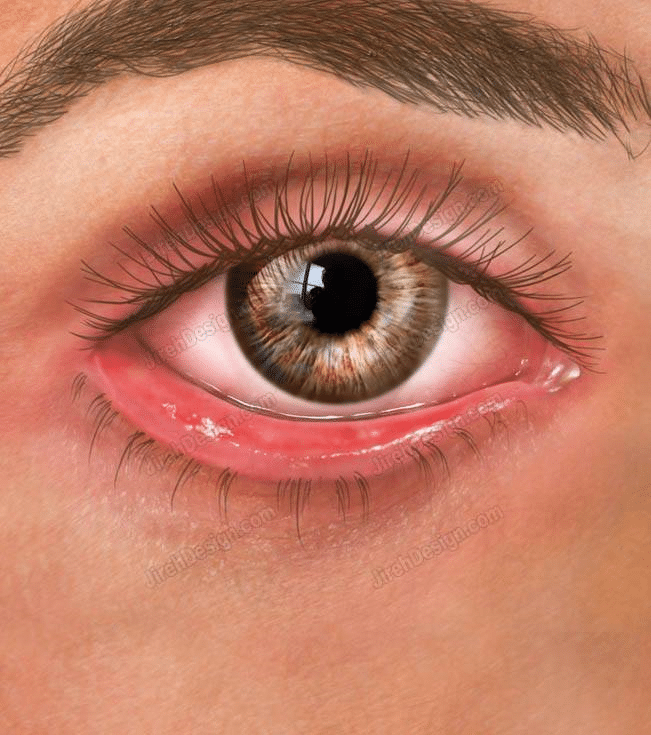
A chalazion usually goes away on its own after a few weeks of home treatment. However, if the lump on your eyelid doesn’t disappear or starts to interfere with your vision, your doctor may recommend medical treatment.
A chalazion is a slow-growing, usually painless bump that forms on the eyelid. It is most often caused by inflammation or blockage of the oil (meibomian) glands in the eyelid and usually improves with home care. You may choose to see a doctor if the lump affects your vision or does not improve after a few weeks.
An eye doctor (ophthalmologist) may prescribe steroid injections or eye drops to reduce swelling or clear an infection. In some cases, the chalazion may be removed surgically.
Read also: Non‑Surgical Eye Lift: Detailed Information
How to Manage a Chalazion at Home
A chalazion usually responds well to home treatment. There are steps you can take on your own to help the lump drain and to ease discomfort. These steps mainly involve warming the area with a warm compress and helping the eyelid glands drain through gentle massage.
Warm Compresses
A warm compress can help soften the thick, waxy material clogging the oil glands and encourage the chalazion to drain. The American Optometric Association (AOA) recommends applying a warm compress to the chalazion frequently—about 4 to 6 times a day for several days, for 10 to 15 minutes each time.
Massage
Gentle massage of the outer eyelid near the chalazion can also help promote drainage. As the AOA suggests, try massaging the area for a few minutes several times a day over the course of several days.
More Than Just Over‑the‑Counter Medications
Anti‑inflammatory eye drops may help reduce some of the inflammation. Artificial tears can help relieve dryness or irritation in the eye while the chalazion is healing.
Medical Options for Treating a Chalazion
In some situations, you may need to see a doctor for a chalazion. You can see an ophthalmologist, an optometrist, or a family physician. Consider seeking medical care if:
– The chalazion is very large or painful.
– Your vision is affected.
– It does not improve with home treatment after a few weeks.
– It keeps coming back in the same area.
If you have chalazia that recur repeatedly, your doctor may order additional tests to make sure the condition is not cancerous. Recurrent chalazia can sometimes be a sign of sebaceous gland carcinoma, a rare cancer that affects the oil glands in the skin. Other possible treatments in these cases include steroid injections, antibiotics, and incision and surgical removal.
Steroid Injections
A steroid injection may be an option if you have significant eyelid swelling. The steroid—often triamcinolone—can help reduce the inflammation. This may improve your visual field if the swelling is blocking your sight and make the eye area more comfortable.
Antibiotics for a Chalazion
Antibiotics are usually needed only if there is a clear infection in the eyelid. Your doctor may prescribe antibiotic eye drops or oral antibiotics to help clear the infection. Once the infection resolves, the inflammation that contributed to the chalazion may also decrease.
Your doctor may also prescribe an oral antibiotic for its anti‑inflammatory effect or to reduce the thickness of the oil secretions that are clogging the glands, which can make it easier for the blockage to drain.
Read also: Acanthamoeba Keratitis | Causes, Diagnosis, Treatment, and Full Guide 2023
Surgery to Remove a Chalazion
You may need surgery to remove a chalazion if it does not go away within a few weeks or if it significantly interferes with your vision. Chalazion surgery is typically an outpatient procedure performed in a clinic or doctor’s office. Your doctor will examine your eye thoroughly before proceeding.
Before making an incision, the doctor will numb the area around your eye. This usually involves anesthetic eye drops and a local anesthetic injection into the eyelid.
The doctor may use a special eyelid clamp to flip the eyelid. This allows them to make a small incision on the inner surface of the eyelid. Through this incision, they will curette (scrape out) the contents of the chalazion. Once the procedure is complete, the clamp is removed.
An antibiotic ointment and an eye pad or pressure dressing may be applied to help prevent infection. After about 15 minutes, the pad is removed temporarily so the eye can be cleaned, and then a fresh pad is placed. You’ll typically keep this dressing on for several hours, after which you can remove it as instructed.
Treatment Overview for Chalazion
A chalazion often resolves on its own within a few weeks. Home treatments, such as warm compresses and gentle massage, can help unblock the oil glands and encourage the lump to drain.

An eye doctor can prescribe additional treatments, such as steroid injections for significant swelling and antibiotics if there is an associated infection. If the chalazion is large or does not go away, minor surgery may be needed to remove it.
If home measures have not helped after a few weeks, contact an eye specialist to discuss other treatment options.