Med info
Causes, Symptoms, and Treatment Options for Eye Bulging, Under‑Eye Swelling, and Eye Puffiness

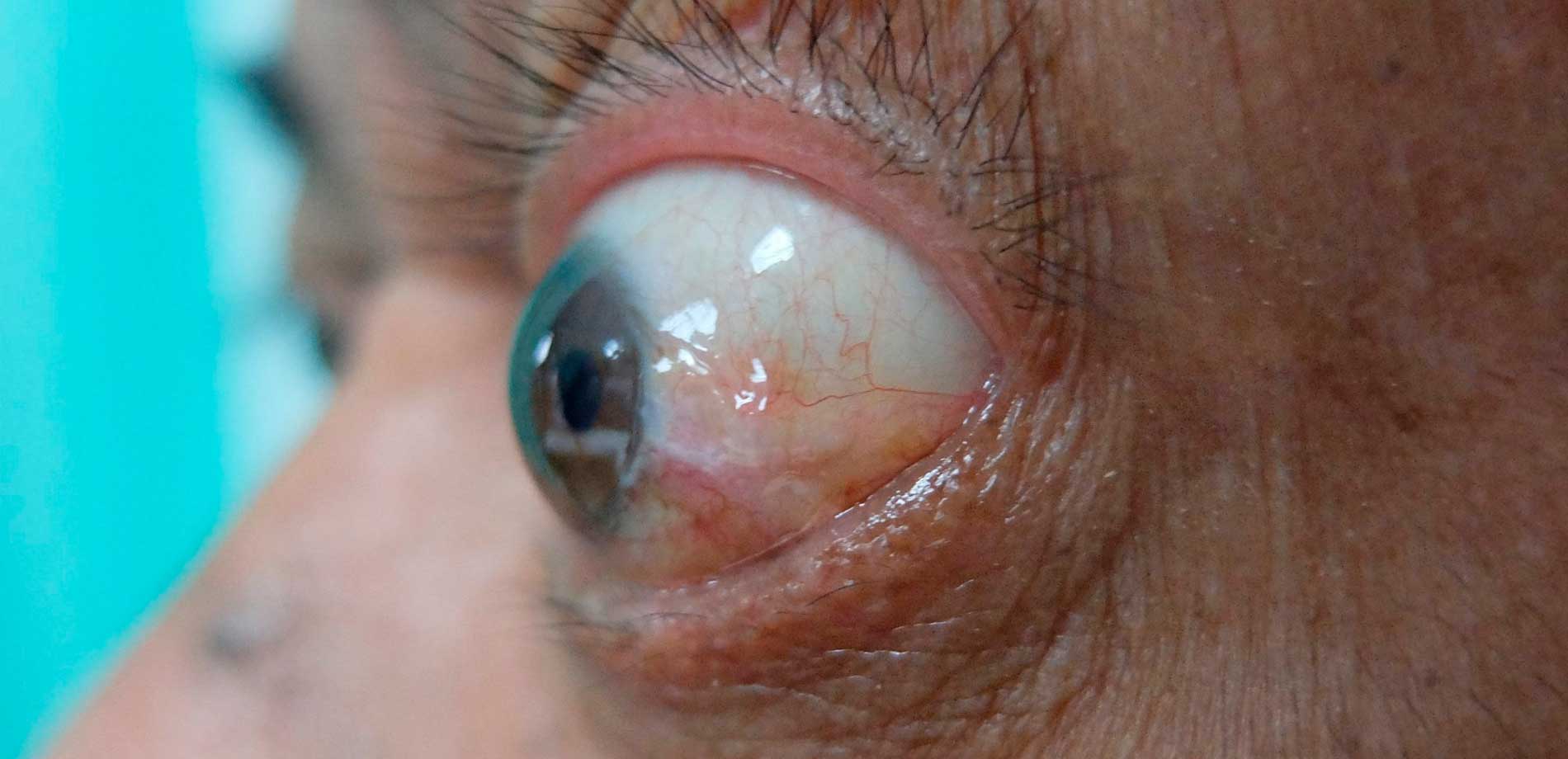
The term “eye bulging” describes a condition in which the eyeball protrudes forward out of its socket, making the eye look pushed out or swollen. It can affect one eye or both. Depending on how severe it is, eye bulging can lead to problems such as corneal dryness and conjunctivitis. Over the long term, symptoms may gradually improve, but this can take several years, and the eyes may remain bulging if the condition is not properly treated.
Graves’ Disease and Thyroid Disorders
Graves’ disease is an autoimmune disorder that causes hyperthyroidism, or overactive thyroid. In a person with hyperthyroidism, the thyroid gland produces excess hormones and can trigger thyroid eye disease (also called Graves’ ophthalmopathy), a condition in which the soft tissues and muscles around the eyes become swollen and inflamed.
This is most often due to hyperthyroidism, but it can also occur with hypothyroidism caused by an underactive thyroid. However, hyperthyroidism or hypothyroidism does not necessarily cause eye bulging right away; it may take some time to develop.
In a healthy person, the immune system attacks harmful invaders and abnormal cells, including certain bacteria, viruses, parasites, cancer cells, and fungi. In some people, however, the immune system mistakenly attacks normal tissues in the body. This is known as an autoimmune reaction.
Graves’ disease is one example of such an autoimmune reaction. Experts still do not fully understand why autoimmune diseases occur. When the immune system attacks the thyroid gland, the gland may respond by producing excess thyroid hormones.
This can lead to:
The Most Common Cause
Graves’ disease is the most common cause of eye bulging worldwide. Interestingly, eye problems can appear up to 10 years before thyroid disease is diagnosed, and up to 20 years after. In Graves’ disease, the same immune cells that attack the thyroid can accumulate in the eye socket (orbit), causing the fat and muscles around the eye to enlarge. This pushes the eyeball forward, leading to eye bulging.
Symptoms of Eye Bulging
A person who has Graves’ disease with associated eye bulging may experience the following symptoms:
Other signs and symptoms of Graves’ disease that are not directly related to the eyes can include irregular heartbeat, anxiety, high blood pressure, increased appetite, weight loss, diarrhea, and sleep problems. While Graves’ disease is the most common disorder that leads to eye bulging, it is not the only possible cause.
Other Causes of Eye Bulging
The following factors and conditions can also cause eye bulging:
Anyone with this condition is strongly advised to quit smoking. Smoking has been shown to worsen eye bulging and make it more difficult to treat. If a person has a thyroid disorder, their doctor will recommend appropriate treatment. There are several medical options for managing eye bulging, and surgery can be very helpful for people with severe or disfiguring eye protrusion.
Non‑surgical treatment options may include:
In the case of radiation therapy, low‑dose orbital radiotherapy is usually reserved for more severe cases and is often combined with corticosteroids.
Surgical treatment options may include:
In general, management of eye bulging (proptosis) focuses on treating the underlying cause. If it is related to a thyroid problem, therapy will aim to normalize thyroid hormone levels. Certain medications (such as antithyroid drugs) can help correct thyroid hormone levels in the blood. Although this alone may not fully reverse the eye changes, it can help prevent the condition from getting worse.
If the eye bulging is related to swelling or inflammation, corticosteroids may be prescribed. Corticosteroids can be very effective in treating severe forms of thyroid eye disease, especially when the eyes are painful or highly inflamed.
In some cases of eye bulging, surgery becomes necessary. Surgery is usually recommended if there is a problem with blood flow through the veins and arteries of the eye, or if there is a decline in visual acuity. In such situations, an orbital decompression procedure may be performed to enlarge the bony eye socket and relieve pressure on the optic nerve and surrounding structures.
Complications
If left untreated, the eyelids may not fully close during sleep, leading to corneal dryness and damage. If the cornea becomes too dry, there is a higher risk of infection or corneal ulceration, both of which can harm vision.
People with keratitis (corneal inflammation) are at increased risk for conjunctivitis, particularly superior limbic keratoconjunctivitis, in which the area above the cornea becomes inflamed due to abnormal tear distribution and blinking. Some patients may also develop optic nerve compression, which can eventually affect vision and, in severe cases, may lead to blindness.
Prognosis
The first step for anyone who notices eye bulging is to see an ophthalmologist. Eye bulging is a warning sign that something more serious may be going on in or around the eye, or even inside the brain. The most common cause is Graves’ disease, and it is essential to work closely with your medical team to create a treatment plan that addresses both any thyroid problems and eye‑related complications.
Quitting smoking is crucial to improving outcomes in patients with eye bulging, and careful, regular follow‑up helps ensure the best possible care.

The earlier you are diagnosed, the more likely you are to avoid serious complications and long‑term problems—and the less you will have to deal with frequent headaches and eye strain. Book an appointment now to make sure your eyes and vision are in good health.
Read also: Everything You Need to Know About Cataracts.