Med info
Causes of double vision (intercession) in adults and ways to distinguish between cases

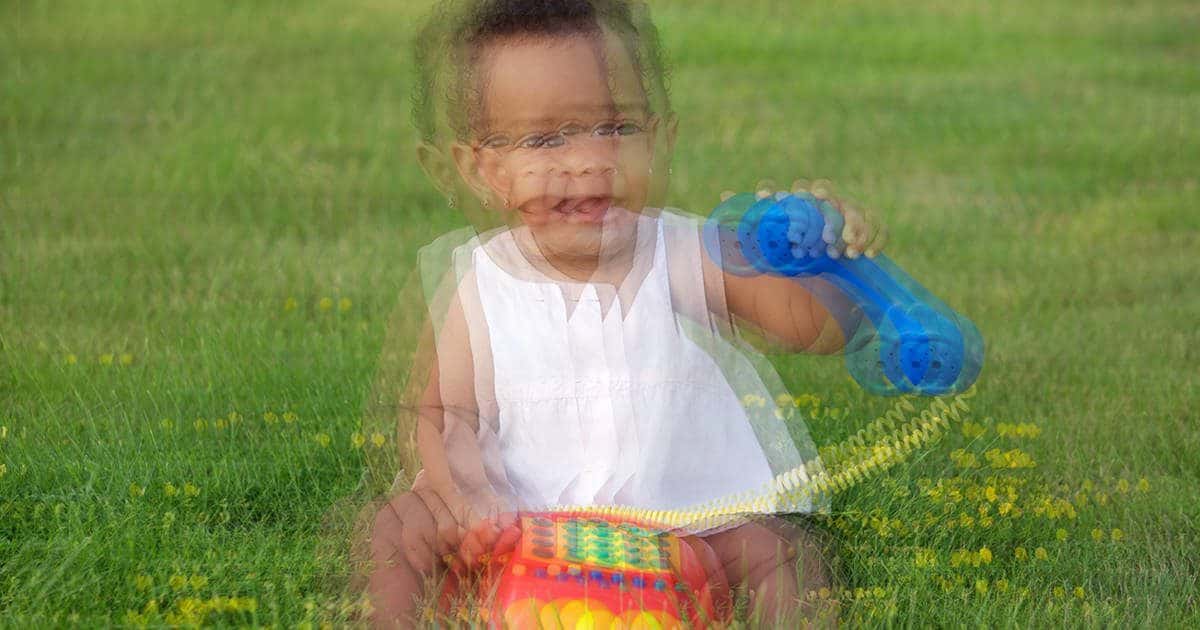
Causes of double vision in adults and how to deal with it
Double vision or double vision (intercession) is a condition in which a person sees two images of the same object instead of one clear image. This phenomenon may appear continuously or intermittently, and may affect only one eye or both eyes together, and is an indication of a visual or neurological defect that requires careful medical evaluation.
The importance of understanding the causes of double vision is that some are simple and temporary, while others indicate conditions that require rapid intervention such as stroke or nerve disorders.
In this guide, Batal Specialized Eye Complex in Jeddah explains to you the most prominent causes, how to distinguish between them, and when the condition is an emergency.

What is the difference between single and double vision?
Before discussing the causes, it is necessary to determine the type of double vision:
| Significance | Cause of interruption | Description | Type |
| It is often caused by problems with the structure of the eye such as the cornea or lens | It does not disappear when the healthy eye is closed | Continues when the second eye is covered | Mono (in one eye) |
| It is often associated with weakness of the eye muscles, nerves, or brain | It occurs due to a defect in eye coordination | Disappears when one eye is covered | Duo (in both eyes) |
Important information: If double vision disappears when covering one eye, the cause is often neurological or muscular and not a problem with the cornea or lens.
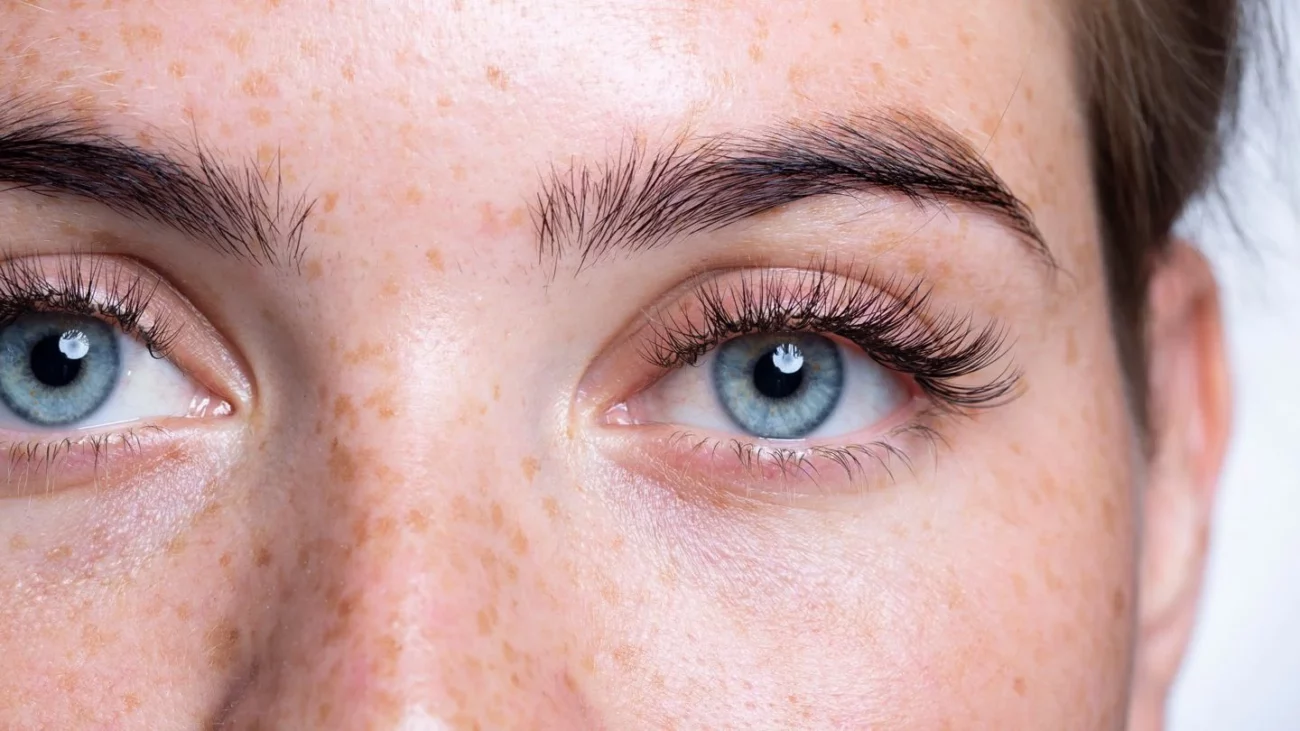
Causes of double vision related to the eye
1) Corneal problems
The cornea is the transparent front window of the eye. Any change in the smoothness of its surface causes light to distort before it reaches the retina, resulting in double or distorted vision.
Top reasons:
- severe dry eyes
- Corneal infections or scarring after surgery or injury
- Keratoconus (abnormal convexity in the shape of the cornea)
- Viral infections such as herpes eye
Distinctive sign: Double vision increases when in strong lighting or driving a car at night.
Keratoconus is one of the most prominent conditions that affects the regularity of the corneal surface and may cause double or blurred vision. Read more: Keratoconus: symptoms and treatment
2) Lens problems (cataracts)
When the lens of the eye becomes cloudy instead of naturally transparent, light rays scatter, resulting in double, single vision or seeing shadows around objects.
The most effective solution: cataract surgery and lens replacement with a modern clear lens, which clearly restores vision.
3) Weakness or imbalance of the eye muscles
There are 6 muscles in each eye that control its movement precisely. Any weakness or paralysis in one of these muscles leads to a loss of alignment between the eyes, causing the brain to receive two mismatched images.
Common causes:
- Strabismus in adults
- Graves’ disease (associated with thyroid)
- Oculomotor nerve paralysis
- Direct injuries
Clear indicator: The person tends to tilt the head to compensate for the difference between the eyes.
4) Refractive errors (astigmatism and nearsightedness)
When lenses or glasses do not fit or when there is a corneal aberration, a person may see a double or blurry image.
In this case:
Double vision often improves once the measurement is corrected correctly.
Read more about: What is astigmatism and how a patient sees astigmatism
Causes of double vision related to nerves and brain (most serious)
1) Cranial nerve paralysis
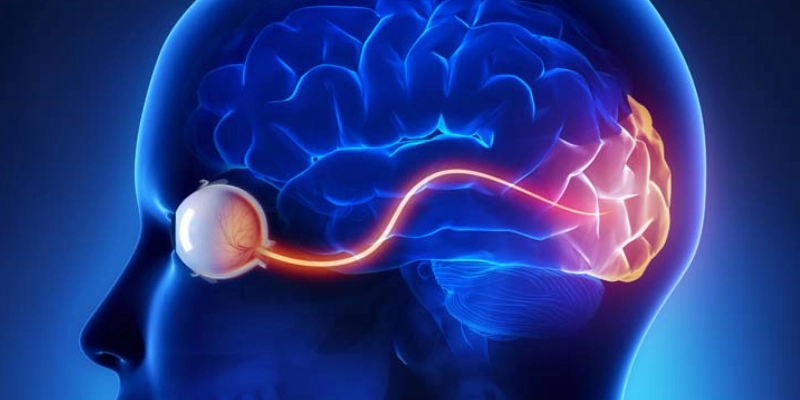
Cranial nerves (III – IV – VI) control eye movement. Any injury or inflammation in it causes the eye to lose the ability to move in harmony with the other.
Top reasons:
- uncontrolled diabetes
- High blood pressure
- Small clots
- Neurological infection or inflammation
2) Myasthenia gravis
An autoimmune disease that causes progressive weakness of the eye muscles. Double vision increases with stress and improves after rest.
3) Multiple sclerosis
It affects the nerves responsible for transmitting signals to and from the eye. Often appears with:
- blurred vision
- poor balance
- General fatigue
4) Stroke and brain injuries
When the center of vision in the brain is affected, double vision may appear directly and without warning.
This is an emergency, especially if it is accompanied by:
- Difficulty speaking
- Weakness or numbness on one side of the body
- Severe dizziness or loss of consciousness
How do you distinguish between a simple cause and a serious cause?
| procedure | explanation | sign |
| Comfort + moisturizing drops | Often dryness or stress | Appears after exhaustion or in front of a screen |
| Edit recipe | The measurement is inaccurate | Appears after changing glasses |
| Go to emergency services immediately | It may be a stroke or nerve inflammation | It appears suddenly with headache / dizziness/weakness |
| Book a comprehensive eye examination | Needs specialized examination | It continues despite the comfort |
What can be done immediately?
- Do not try to drive or climb stairs quickly.
- Reduce phone and computer use.
- Use moisturizing drops if there is dryness.
- If symptoms appear suddenly → go directly to the emergency room.
When should you visit an ophthalmologist?
The severity of double vision varies from case to case, so paying attention to the context in which symptoms appear is important. Our doctors recommend seeing an ophthalmologist in the following cases:
- If double vision is persistent or recurring
Persistent symptoms mean that the eye, nerves, or eye muscles are not working in harmony, and this requires careful evaluation to find out the cause before visual ability is further affected.
- If reading or concentration becomes difficult
Difficulty stabilizing vision while working, using smart devices, or reading may indicate misalignment of the eyes or visual muscle weakness, factors that do not improve without treatment.
- If double vision is accompanied by headache, dizziness, or pain around the eye
Here we need to pay attention, as the brain may be trying hard to combine the two images, causing nervous stress. In some cases, these symptoms may be an indication of a neurological disorder that requires rapid intervention.
- If symptoms appear after vision correction surgery (LASIK, Femto, or Smile)
In most cases, this phenomenon is temporary and gradually improves as the cornea heals. But if it persists for a long time, it should be evaluated to ensure that the cornea is recovering properly and that light deflection is still within normal limits.
General rule: If you feel that double vision is affecting your daily life or visual comfort, a specialized examination is the right step.If the status:
Restore your clarity of vision with confidence with the experts of the Batal Specialized Complex
At Batal Specialized Eye Complex in Jeddah, we believe that every visual condition has its own specificity, so we rely on a comprehensive diagnostic approach that begins with understanding the condition from its roots before determining treatment.
We don’t just analyze symptoms; we use precise screening techniques to pinpoint the source of the problem, whether it’s the cornea, lens, eye muscles, nerves, or vision centers in the brain.
We work to develop a personalized treatment plan for each patient, tailored to their condition and daily needs, to ensure stable and comfortable visual outcomes in the long term.
Thanks to the consultants’ expertise and advanced equipment, we ensure that every step of the treatment process is clear, safe, and reassuring.
Book your appointment today and let us help you regain your vision as it deserves — clear, comfortable, and confident.