
Med info
: Cataracts: Causes, Symptoms, Treatment, and Prevention 2026

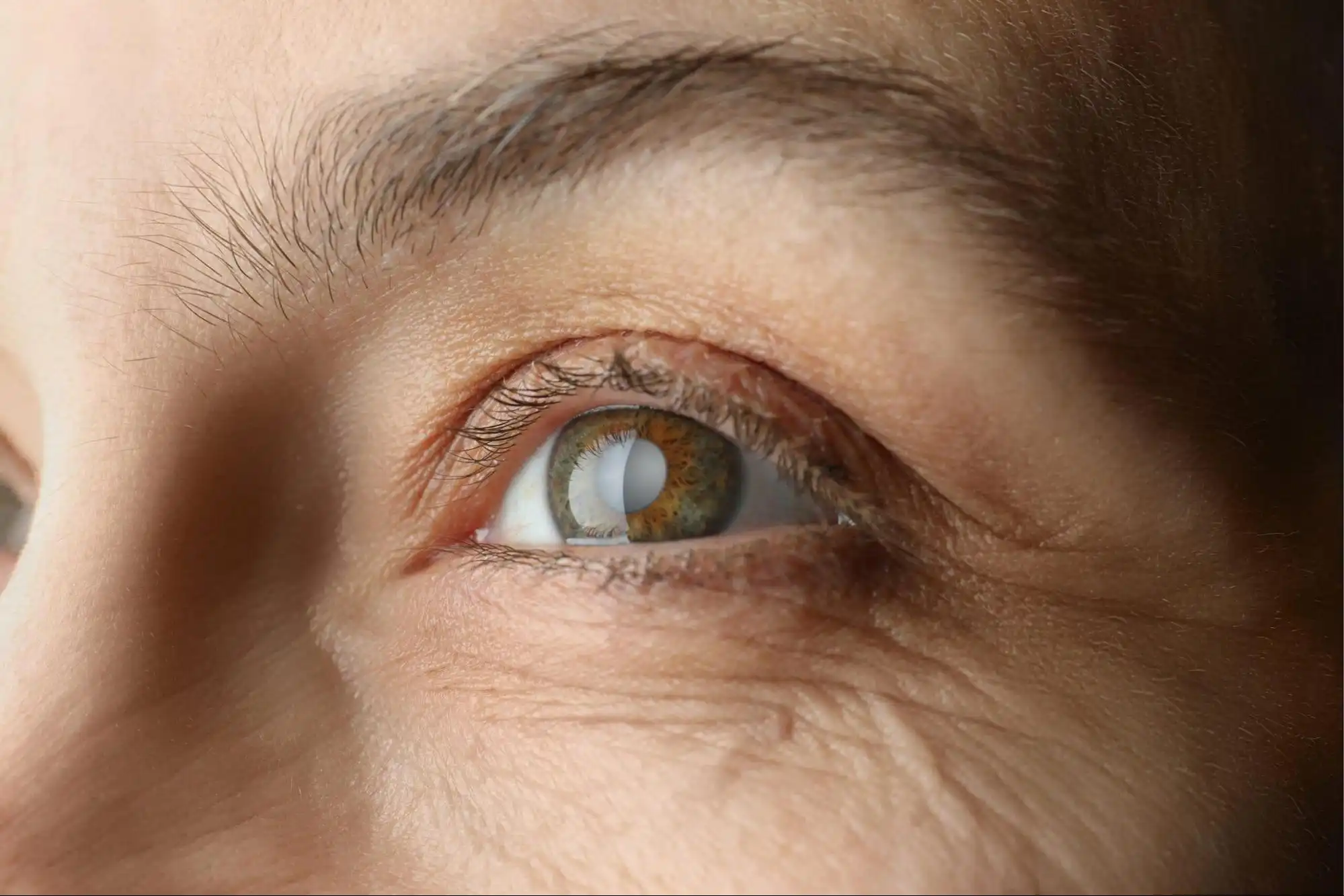
Cataracts are among the most common vision problems, especially with advancing age. This condition gradually affects the ability to see clearly, causing blurred and hazy vision, and in advanced stages can lead to significant vision loss if not treated in time.
At the Eye Center at Batal Specialized Medical Complex in Jeddah, we treat cataracts using the latest phacoemulsification techniques and advanced intraocular lenses (IOLs), with the goal of restoring clear, comfortable, high‑quality vision.
In this article, you’ll learn everything you need to know about cataracts: how they develop, their symptoms, treatment options, and what to expect after surgery.
What Are Cataracts?
Inside the eye, there is a clear, natural lens that works like a camera lens, focusing light onto the retina to produce a sharp image. As we age, or due to other factors, the proteins within this lens begin to break down and clump together. The lens gradually loses its transparency and becomes cloudy or whitish, causing the image to become blurred.
This condition is medically known as a “cataract” and is also referred to as “lens opacity” or “white cataract.”
How Does a Person with Cataracts See?
Instead of seeing objects clearly:
[vision becomes hazy, colors may appear faded, and lights may have glare or halos around them.]
Types of Cataracts
[There are several clinical types, such as age‑related cataracts, congenital cataracts, traumatic cataracts, and secondary cataracts related to medications or other eye diseases.]
Causes of Cataract
Several factors can contribute to the development of cataracts, most notably:
– Aging and natural degeneration of the lens
– Genetic factors and family history
– Diabetes and certain systemic diseases
– Long‑term use of corticosteroids
– Eye injuries or previous eye surgery
– Prolonged exposure to sunlight (UV radiation)
– Smoking and some unhealthy lifestyle habits
Read more about: Cataract Surgery in Jeddah

Symptoms of Cataracts
In the early stages, the patient may not notice any obvious change in vision, because the clouding of the lens begins gradually. Over time, the cataract becomes denser and its impact on day‑to‑day vision becomes more noticeable. The most common symptoms include:
– Blurred or hazy vision
– Increased sensitivity to light and glare, especially at night
– Seeing halos around lights
– Difficulty with night driving
– Needing stronger or frequently changing eyeglass prescriptions
– Colors appearing faded or yellowish
– Double vision in one eye in some cases
You may also be interested in: Blurred Vision: A Comprehensive Guide to Symptoms, Diagnosis, Treatment, and Prevention
If you notice one or more of these symptoms, early evaluation by an ophthalmologist is important to determine the severity of the cataract and the best treatment options before your vision is significantly affected.
Can Cataracts Be Treated Without Surgery?
No. There is no medication, eye drop, or herbal remedy that can restore the natural clarity of the lens. Glasses or brighter lighting may help temporarily, but they do not address the underlying problem.
The only definitive solution is to remove the cloudy lens and replace it with a clear artificial intraocular lens (IOL).
When Should Cataract Surgery Be Done?
Surgery is recommended when:
– Cataracts begin to interfere with daily activities such as reading, driving, using digital devices, or working
– You feel that your vision is no longer sufficient for your lifestyle or job requirements
– Your ophthalmologist finds that the cataract is advanced enough to justify surgery or is starting to affect other eye structures
Do not wait until you “lose your sight” — early treatment is easier, more precise, and usually produces better results.
Types of Intraocular Lenses Used in Surgery
At Batal Specialized Medical Complex, we help each patient choose the most suitable IOL based on:
– The health of the eye (cornea, retina, optic nerve)
– Pre‑existing refractive errors (myopia, hyperopia, astigmatism, presbyopia)
– The patient’s age, occupation, and lifestyle (for example: frequent driving, computer use, reading, night work)
– The patient’s desire to reduce dependence on glasses as much as possible
[Options may include monofocal lenses, toric lenses for astigmatism, and multifocal or extended depth of focus (EDOF) lenses for near and distance vision.]
How Is Cataract Surgery Performed?
The procedure is done as day surgery without general anesthesia.
Steps:
– The eye is numbed using local anesthetic eye drops (and sometimes a light sedative).
– A tiny incision is created at the edge of the cornea.
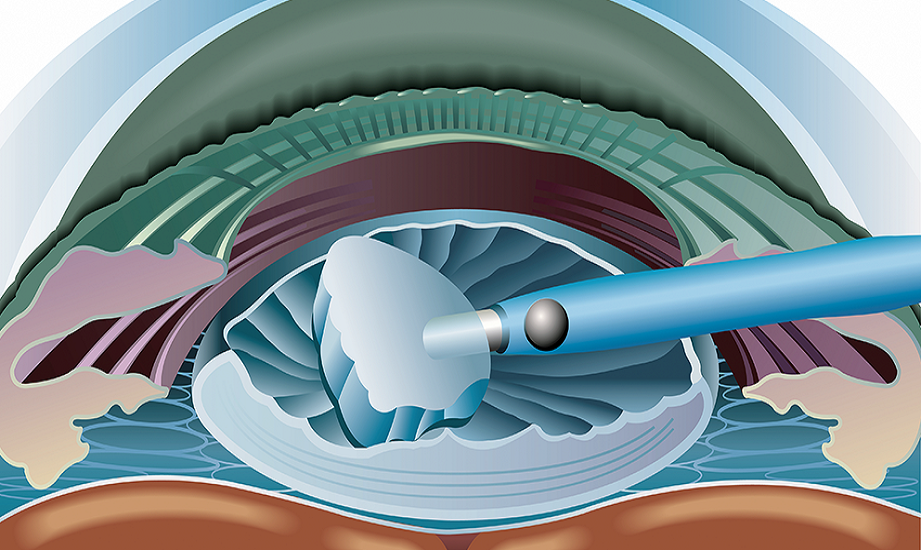
– The cloudy natural lens is broken up using ultrasound (phacoemulsification) or femtosecond laser and then gently removed.
– A clear artificial intraocular lens is implanted in the same place as the natural lens.
– The incision is usually self‑sealing and does not require stitches in most cases.
Duration: Only about 10–20 minutes. The patient goes home the same day.
After Surgery – Recovery
During the first few days you may experience:
– Mild discomfort, a sensation of grittiness, or foreign‑body feeling
– Slight redness of the eye
– Sensitivity to light
– Fluctuating vision as the eye heals
Important Instructions:
– Use the prescribed eye drops exactly as directed (antibiotic, anti‑inflammatory, and lubricating drops).
– Avoid rubbing or pressing on the eye.
– Wear the protective shield or glasses as instructed, especially while sleeping in the first days.
– Avoid heavy lifting, strenuous exercise, and swimming for the period specified by your doctor.
– Attend all scheduled follow‑up appointments to monitor healing and vision.
Most patients regain clear vision within 48–72 hours.
Success Rate of Cataract Surgery
Cataract surgery is one of the most successful procedures in ophthalmology.
With modern techniques and accurate measurements, success rates and patient satisfaction are very high, and most patients experience a significant improvement in their quality of vision and daily life.
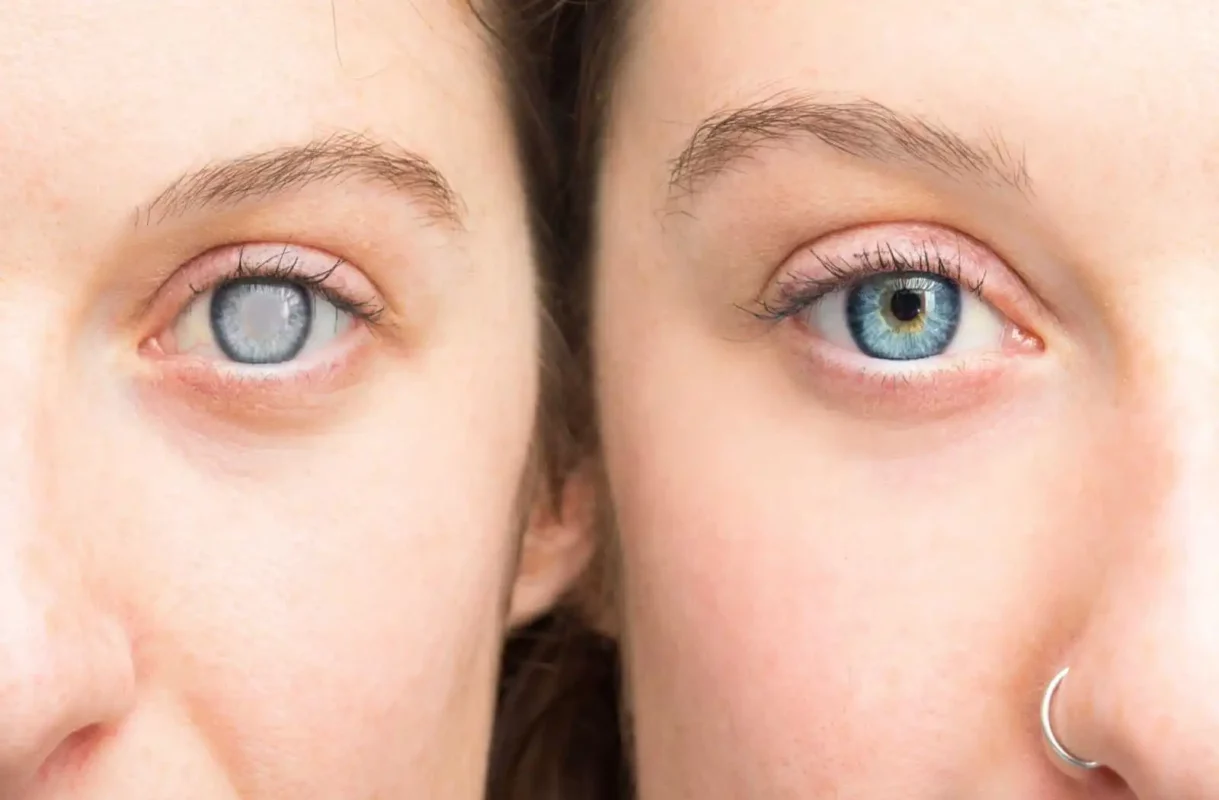
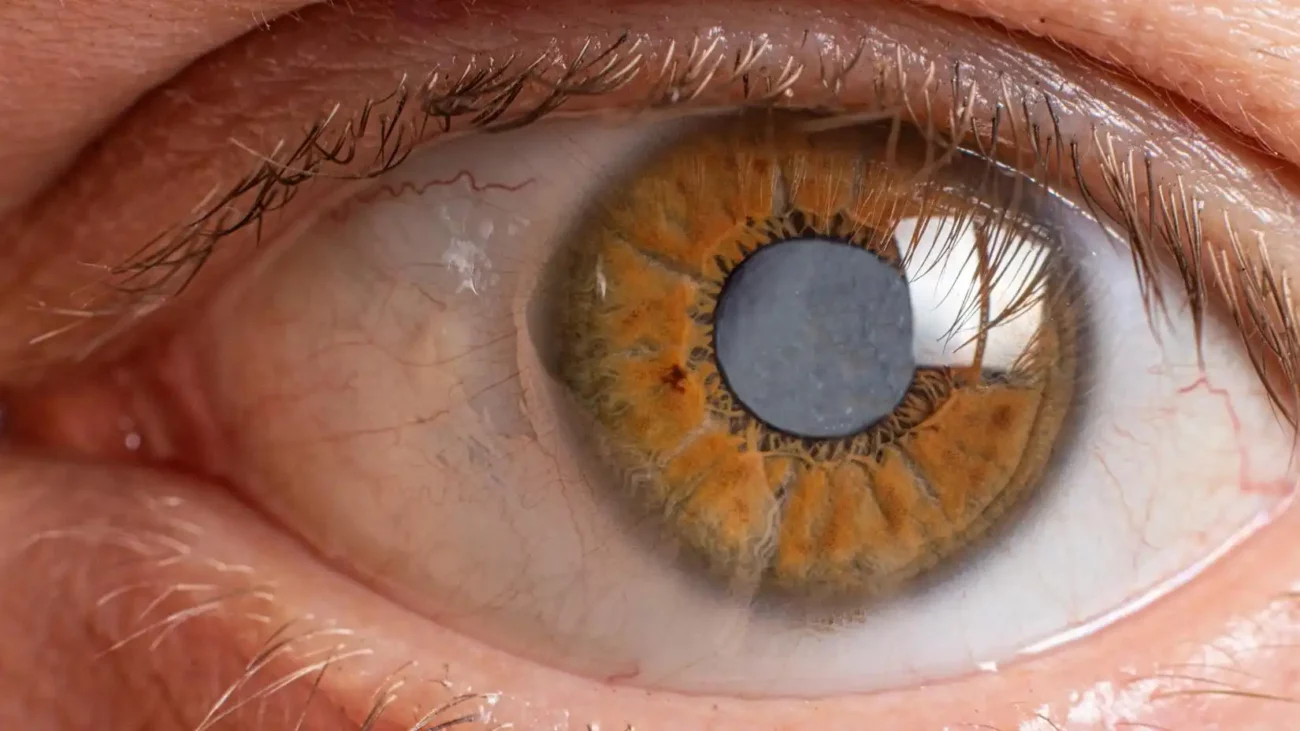
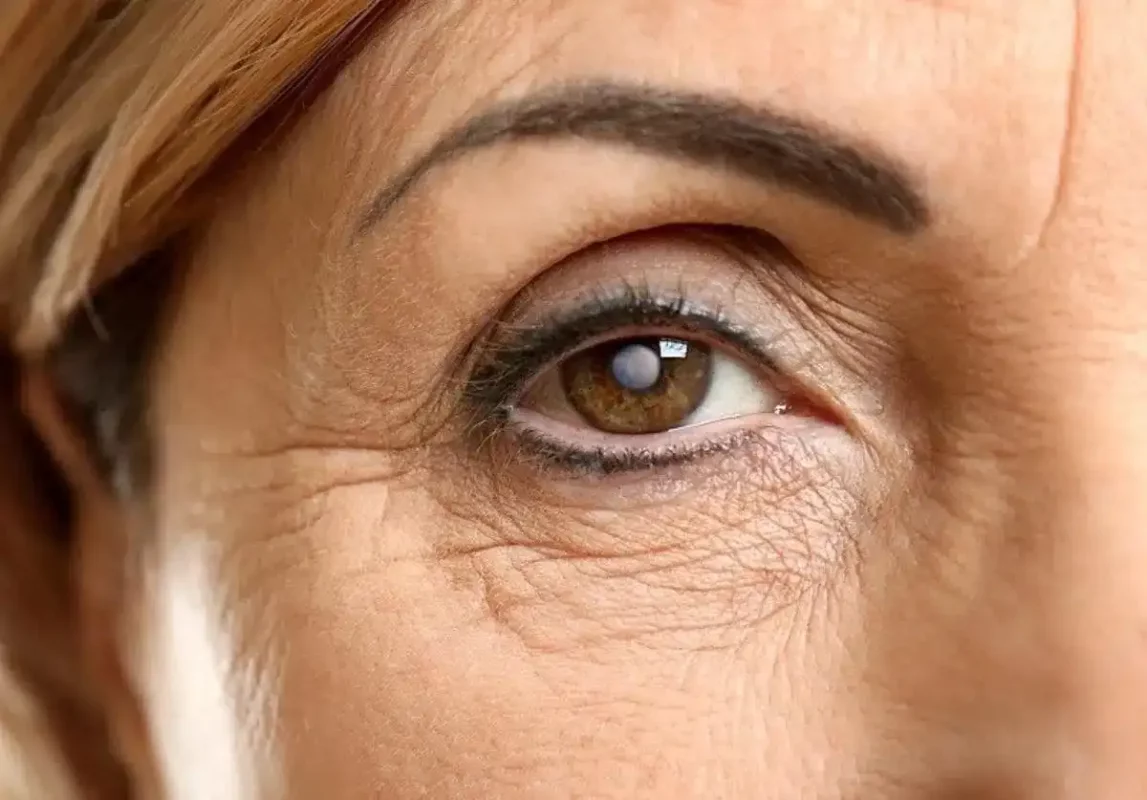
Cataracts in Pictures
[Clinical images and simulation photos can help patients understand how cataracts affect the lens and vision.]
Why Choose the Eye Center at Batal Specialized Medical Complex?
Choosing where to have cataract surgery is not just about the technology, but also about who is caring for your eyes and how your surgery is planned and personalized. At Batal Specialized Medical Complex, we follow a meticulous approach that starts well before the operation, with a comprehensive examination that includes corneal and retinal imaging and micrometer‑level lens measurements to ensure we select the IOL that best matches your lifestyle, not just one that clears the opacity.
Our center is staffed by a team of consultant ophthalmologists with extensive experience in cataract surgery, phacoemulsification, and femtosecond laser–assisted cataract surgery. These techniques reduce surgical time, speed up recovery, and help achieve sharper vision.
We offer multiple premium, internationally approved IOL options:
– Monofocal, toric, multifocal, and EDOF lenses selected according to each patient’s needs and eye condition.
After surgery, we provide you with a clear post‑operative care plan, an organized drop schedule, and regular follow‑up visits to ensure stable vision and the best possible outcome.
Frequently Asked Questions About Cataracts
1. Can Cataracts Go Away Without Surgery?
No. Cataracts do not disappear or improve on their own. Surgery is the only treatment that removes the cloudy lens and restores clear vision.
2. When Should Cataract Surgery Be Done?
Surgery is recommended when cataracts start to affect daily activities such as reading, driving, watching TV, or working. It is not advisable to wait until vision becomes severely impaired.
3. Is Cataract Surgery Painful?
No. The procedure is not painful because it is performed under local anesthesia with mild sedation. The patient may feel only some slight pressure in the eye during the surgery.
4. How Long Does Cataract Surgery Take?
The surgery usually takes about 10–20 minutes. The patient goes home the same day and does not need to stay overnight in the hospital (day surgery).
5. When Will My Vision Improve After Surgery?
Most patients notice a clear improvement in vision within 24–48 hours, while complete healing and stabilization of vision typically occur over 3–6 weeks.
6. Can Cataracts Come Back After They Are Removed?
The cataract itself does not come back. However, some patients may develop what is called posterior capsular opacification months or years later. This is treated easily with a quick YAG laser capsulotomy, which only takes a few minutes.