
Med info
Can I Get LASIK If I Have Thin Corneas?

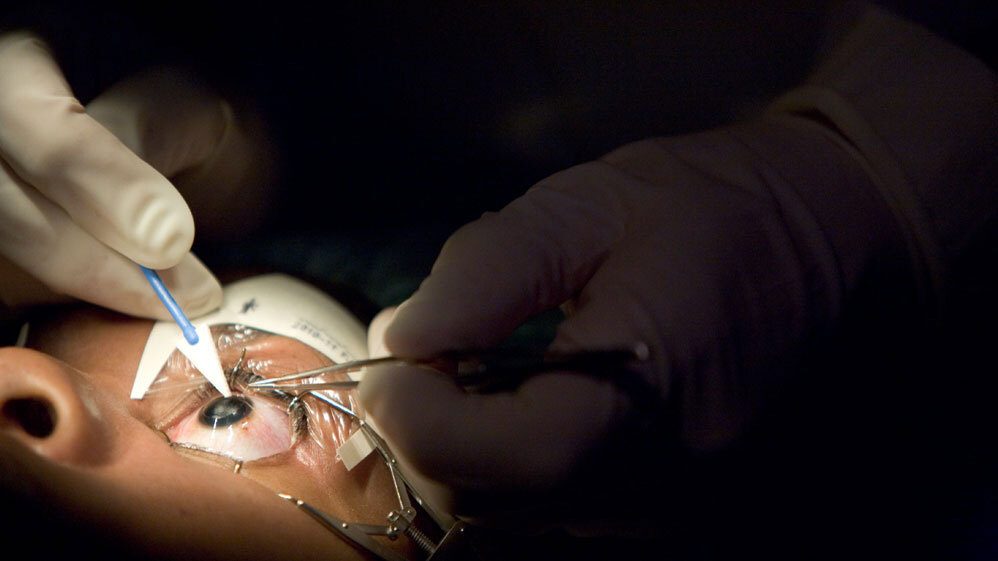
If you’re wondering whether laser eye surgery and getting LASIK with thin corneas is possible, the answer is somewhat complex. The real question is whether your corneas are thick enough to safely undergo the procedure.
In preparation for LASIK or any other type of laser eye surgery, one of the most important steps is a thorough pre‑operative eye exam to determine whether you’re a good candidate. A key part of this evaluation is measuring your corneal thickness for LASIK suitability.
Because corneal tissue is removed during LASIK, it’s crucial to have enough tissue to allow a safe and effective reshaping of the cornea. In some cases, your corneas may be too thin for standard LASIK, but there are several other factors that also need to be considered.
Read also: Everything You Need to Know About Advanced Surface Ablation
Why Is Corneal Thickness Important for LASIK?
LASIK eye surgery improves your vision by reshaping the cornea to correct how light is focused onto the retina. Due to the nature of the procedure, your eye surgeon must know your exact corneal thickness to be sure there is enough tissue to reshape the cornea safely.
With thin corneas, LASIK is considered a higher‑risk procedure, although it is not always impossible. Your ophthalmologist will need to run several tests and measurements to determine whether there is enough tissue to create a safe corneal flap and whether sufficient tissue will remain to properly reshape the cornea.
Read also: Learn About the Benefits of Laser Cataract Surgery
What Are the Risks of LASIK for Thin Corneas?
If your corneas are not thick enough for LASIK and the surgery is still performed, you face a higher risk of developing post‑refractive corneal ectasia, also known as post‑LASIK ectasia. This is a complication of laser eye surgery that can occur if too much corneal tissue is removed or if the corneal structure is weakened during the procedure.
This complication is rare, affecting only about 0.02% to 0.6% of patients, but it can lead to progressive myopia (nearsightedness) and astigmatism, causing vision to deteriorate over time. People with pre‑existing corneal conditions are at higher risk of developing this problem.
Because of the potential for this progressive corneal condition when performing LASIK on thin corneas, it is essential to see an experienced eye surgeon who has worked with thin‑cornea patients before. Your surgeon must be very cautious in deciding whether you are an appropriate LASIK candidate and should be able to offer well‑informed guidance about laser vision correction options for thin corneas.
Read also: Surfer’s Eye (Pterygium) – Everything You Need to Know
Is LASIK Possible if I Have Thin Corneas?
That depends on several different factors. First, your eye surgeon will measure your corneal thickness to see how thin it actually is. In general, if your corneal thickness is less than about 0.5 mm (500 microns), you may not be a good candidate for LASIK.
Your individual eyes and your specific refractive errors also matter. Patients with very strong prescriptions (high myopia, hyperopia, or astigmatism) and thin corneas are often not ideal candidates for LASIK.
Your surgeon will also consider your overall health, your age, and any additional complicating factors such as dry eye disease before making a final decision about whether LASIK is appropriate for you.
Some patients with relatively thin corneas can still undergo LASIK successfully and achieve excellent vision. Multiple studies have shown that patients who underwent myopia correction with LASIK achieved very good outcomes, and no cases of post‑LASIK ectasia were reported in those particular groups. This suggests that, when carefully selected, LASIK for thin corneas can be a safe and effective option for many patients.
Read also: Retinal Tear – Causes, Symptoms, Treatment, and Full Information
What If My Corneas Are Too Thin for LASIK?
Although LASIK can be a viable laser vision correction option for some patients with thin corneas, it is not the only choice. Patients who are not good candidates for LASIK, or who prefer to explore other thin‑cornea options, can consider several alternatives.
For many of these patients, PRK (Photorefractive Keratectomy) is an excellent solution. PRK is actually the predecessor of LASIK, and in the context of thin corneas, it can sometimes be the better option because it does not require creating a corneal flap.
Instead, a thin layer of the epithelium—the outermost surface of the cornea—is gently removed, allowing the surgeon to apply the excimer laser directly to the underlying corneal tissue. PRK has a longer recovery period than LASIK, and it typically takes more time for vision to stabilize as the epithelium heals.
However, in terms of final visual outcomes, PRK and LASIK are usually very similar for most patients. If your eye surgeon determines that you are not a suitable LASIK candidate due to thin corneas, ask whether PRK would be an appropriate alternative for you.
Read also: Is It Possible to Tighten Droopy Eyelids Without Surgery?
Choosing an Experienced Eye Surgeon for Laser Vision Correction
Choosing the right eye surgeon is a critical step in achieving the best possible results from laser eye surgery when you have thin corneas. To make sure you select the safest procedure for your eyes and your visual goals, look for a highly experienced ophthalmologist who specializes in refractive surgery, such as the eye doctors at Batal Specialized Center.
First, an expert surgeon with extensive experience in laser eye procedures will know what adjustments are needed to give you optimal results. You want a surgeon who is familiar with the latest laser technologies and techniques and who uses state‑of‑the‑art equipment to maximize the accuracy and safety of your procedure.

In addition, the more experience a surgeon has, the more likely it is that they have treated patients with thin corneas. This means they will have a better understanding of which procedures are likely to meet your expectations and which ones may not provide the results you’re looking for.
Read also: Causes, Symptoms, and Treatment of Tear Duct Blockage