Med info
Benefits of Laser Vision Correction: A Brighter View of the World


Laser eye surgery corrects refractive errors, and this is one of the many benefits of laser vision correction. It can free you from glasses and contact lenses so you can live your life to the fullest.
The procedure itself is very straightforward and usually takes anywhere from a few seconds to a few minutes per eye, depending on the level of correction needed for nearsightedness (myopia), farsightedness (hyperopia), or astigmatism.
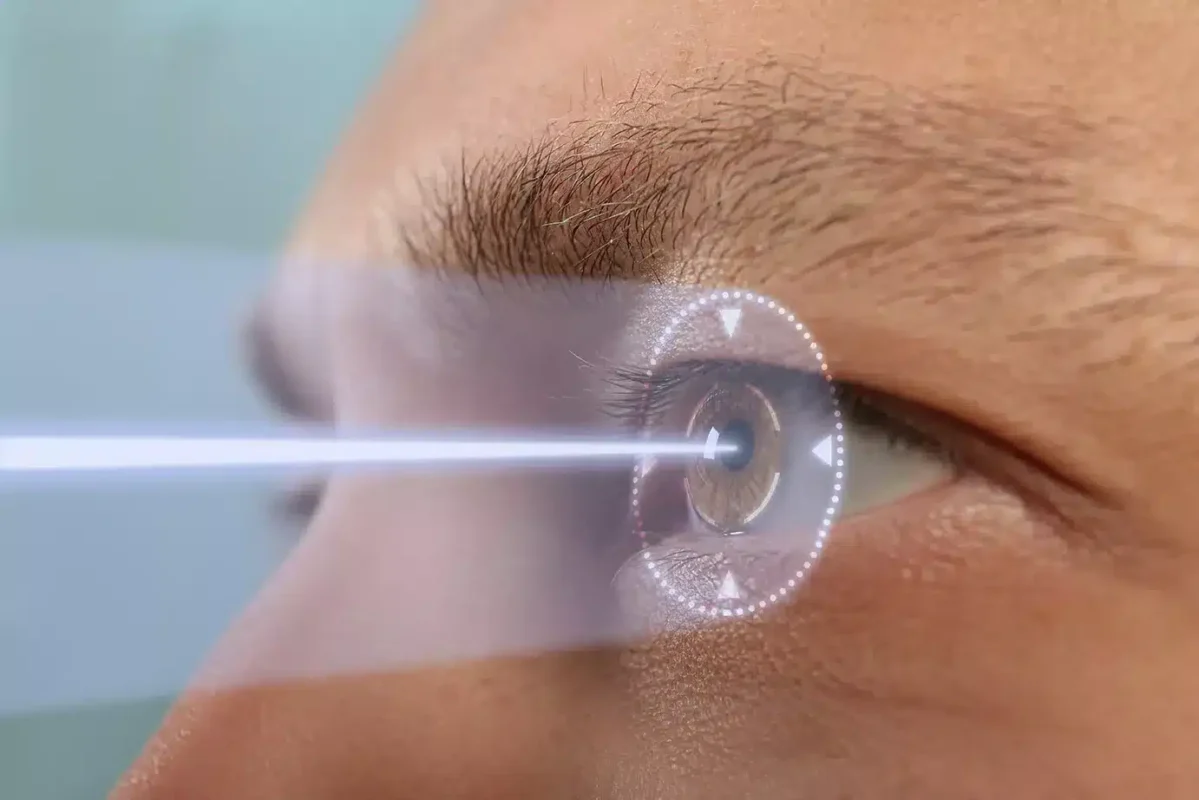
A highly advanced, cool laser beam makes microscopic adjustments to the shape of your cornea (the clear front surface of the eye), correcting tiny imperfections and sharpening your vision. Patients are often amazed at how quickly they recover and how soon they can enjoy life without glasses or contact lenses.
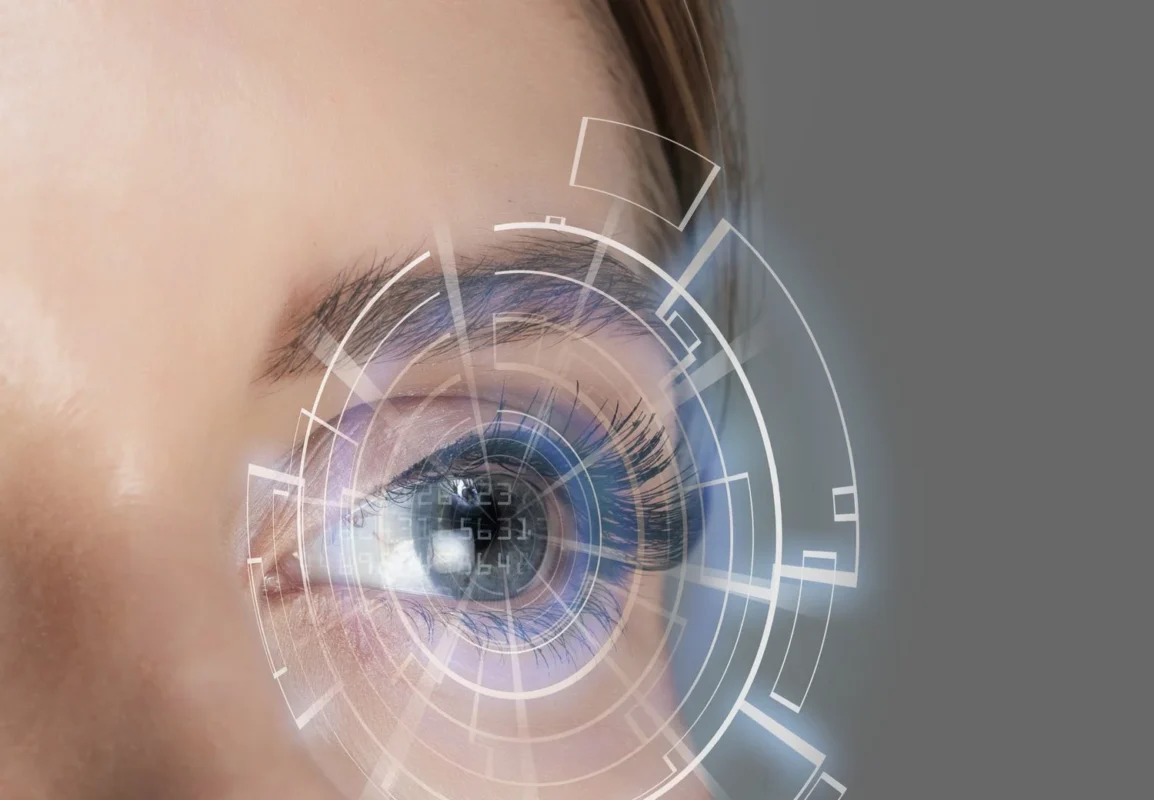
How Laser Vision Correction Is Performed
Laser refractive surgery is a very brief outpatient procedure that usually takes less than 30 minutes. The first step in laser vision correction is creating a thin, smooth flap from the outer layers of the cornea.
Once the flap is gently lifted, the excimer laser is applied to the underlying corneal tissue to precisely reshape the cornea to the desired curvature. Finally, the flap is repositioned back into its original place.
Each step must be carried out with a very high degree of accuracy and safety to ensure the best possible results after LASIK. There are currently two main methods of creating the corneal flap: using a microkeratome (a mechanical corneal blade), which was the standard method for many years, and using a femtosecond laser (IntraLase™), which relies on the latest technology.
At Batal Specialty Center, you will have a one‑to‑one consultation with a laser eye surgeon to determine the best option for you. During this visit, you will also learn about the latest laser vision correction techniques, how to prepare, what recovery looks like, and what to expect after surgery.
Benefits of Laser Vision Correction at Batal Specialty Center
By choosing laser vision correction at Batal Specialty Center in Saudi Arabia, you can enjoy a wide range of benefits, including:
The actual list of benefits was not provided in the original text, so it is left implicit here.
Potential Risks of Laser Vision Correction
Laser eye surgery is a technological breakthrough that can transform patients’ lives. Like any surgical procedure, however, it carries potential risks that can be minimized—or in some cases avoided—altogether. The most important step in reducing these risks is to choose a highly qualified eye surgeon with a strong track record of success, such as the ophthalmologists at Batal Specialty Center.
It is essential that the surgeon (or a clinician fully qualified to perform the procedure) examines you in person during your preoperative consultation. In addition, the eye center must be equipped with comprehensive diagnostic technology, robust care pathways, and well‑trained staff to ensure that all necessary tests are performed thoroughly and to a high standard. Potential risks of laser vision correction include:
Dry eye: Post‑LASIK or post‑PRK dry eye is usually temporary, but it can become a long‑term issue if patients are not properly assessed before surgery.
Dry eye occurs after PRK and LASIK because the superficial nerve endings in the cornea need time to regenerate and heal. During this period, the cornea is slightly “numb” and does not sense dryness well enough to trigger normal tear production.
Moreover, these corneal nerves release chemical messengers (cytokines) that act as growth factors and help coordinate the healing response of the surface cells. Nerve fibers typically regenerate within 6 to 12 weeks. During this time, the eyes are more prone to dryness. Persistent dry eye can develop if an underlying condition was not correctly diagnosed and treated before surgery.
Halos and glare: Almost all patients notice halos around lights for a few days to a few weeks after laser eye surgery (whether LASIK or surface ablation such as PRK/LASEK). This happens because fluid within the freshly treated cornea scatters incoming light.
Once this fluid clears, halos usually fade. However, some patients develop more permanent halos or night‑time glare, particularly in low‑light conditions. This is often related to higher‑order aberrations induced by older laser profiles, small optical zones, or treatments that are not aspheric.
The good news is that with proper patient selection and modern, customized treatments tailored to each eye, this problem is much less common. It can also occur if the laser treatment is not properly centered.
Infection: As with all surgery, there is a risk of infection. Fortunately, the risk of infection after laser eye surgery is extremely low. The relative risk, from higher to lower, is generally: LASEK, PRK, blade‑LASIK, and IntraLASIK with a femtosecond laser—which carries the lowest infection risk.
Ectasia: Corneal ectasia is a condition in which the cornea is biomechanically weaker than normal and becomes progressively unstable following laser surgery. Over time, the cornea may bulge and thin, leading to distorted vision, increased astigmatism, and a renewed need for glasses or other forms of correction.
Ectasia can occur after both LASIK and PRK/LASEK. However, there are early warning signs—such as subtle forms of keratoconus—that can be detected using advanced corneal topography, biomechanical assessment, and epithelial thickness mapping. These tests help identify at‑risk corneas before surgery.
Read also: Find the best vision correction specialist in Jeddah and get ready for an unforgettable experience.
Who Is Not a Good Candidate for LASIK?
Patients in the following categories are generally not considered suitable candidates for LASIK, PRK, or LASEK, either due to general health conditions or previous eye problems:
The original text does not list the categories; they would typically include: unstable prescription, very thin cornea, certain autoimmune diseases, pregnancy, etc.
How Long Does Laser Vision Correction Take?
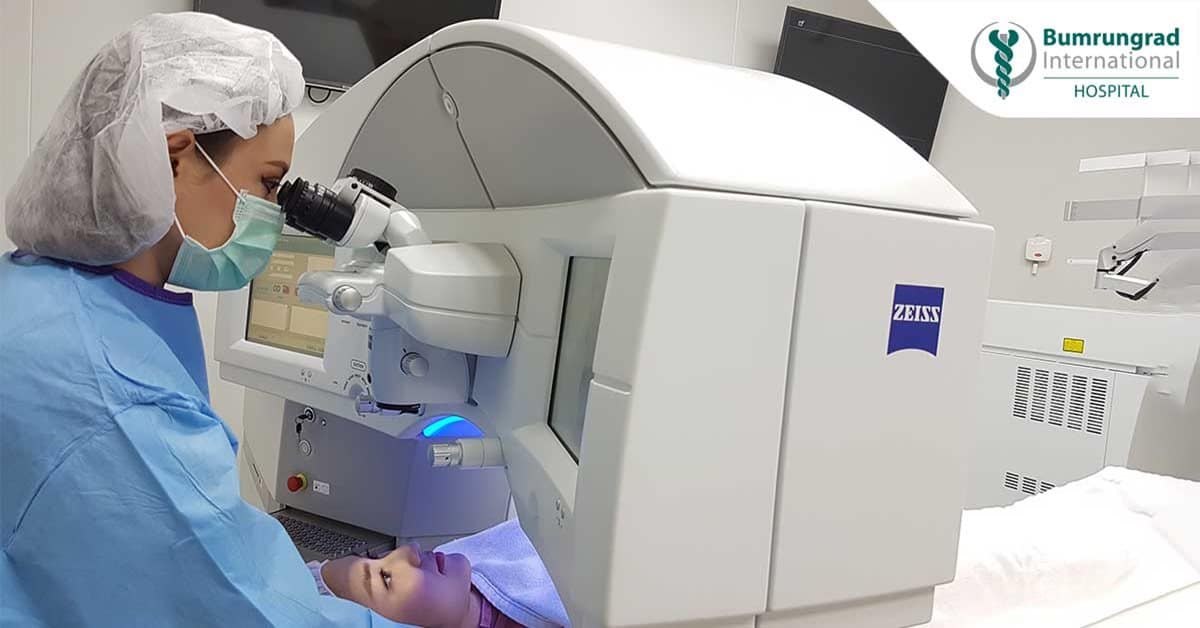
The actual laser procedure typically takes about 20 minutes to complete. However, patients are usually advised to allow around 4 hours in total to accommodate preoperative preparation and the immediate recovery period after surgery.
Factors That Influence the Success of Laser Vision Correction
Laser vision correction in Saudi Arabia at Batal Specialty Center is performed using advanced, high‑precision technology. The entire procedure is carried out with state‑of‑the‑art equipment to achieve the best possible outcome.
One of the most advanced approaches is topography‑guided LASIK, in which the treatment pattern is customized based on a detailed corneal topography map. In other cases, ophthalmologists may use a conventional excimer laser protocol, which can be less precise. Despite this, the cost of laser eye surgery at Batal Specialty Center remains affordable.
When Does Vision Stabilize After Laser Eye Surgery?
Patients should arrange transportation after surgery and avoid work, strenuous activity, or outings for a few days. Some people feel almost back to normal after 24 hours, but it may take 2 to 3 months for vision to fully stabilize.
On the day of LASIK or any refractive surgery, the most common symptom is fatigue. You may feel very tired during the first hour or after a few hours. Eye fatigue can contribute to blurry or fluctuating vision.
It is normal to feel tired for several days after the procedure, so rest is critical. Your surgeon will provide an eye shield or dark sunglasses after surgery and may ask you to wear them while sleeping.
Wearing an eye shield while you rest helps prevent you from accidentally rubbing or touching your eyes. Rubbing the eyes early on can shift the corneal flap out of position and interfere with healing.
How Long Should You Wear Sunglasses After LASIK?
During any type of laser vision correction—or laser‑assisted in situ keratomileusis—the surgeon creates a corneal flap using a laser, then applies a different laser to reshape the deeper corneal layers. Once the treatment is complete, the flap is laid back over the treated tissue.
Wearing sunglasses after LASIK serves several important purposes. First, they protect your eyes from trauma and debris—for example, preventing a branch from poking your eye or an insect from flying into it.
Second, sunglasses help discourage you from rubbing or scratching your eyes. Third, they reduce the amount of light entering the eyes, easing light sensitivity. Finally, high‑quality sunglasses block ultraviolet (UV) rays, which can damage delicate eye tissues.
During the first 24 hours after surgery, it is best to wear sunglasses whenever you are outdoors. Indoors, they may help if your eyes are very light‑sensitive. Outside, they protect you from UV radiation and potential hazards. You should continue to wear sunglasses outdoors regularly during the first month, regardless of whether the sky is sunny or overcast.
Read also: Femto‑LASIK vision correction surgery.
Advantages of LASIK
Ready to experience life without lenses? Here are some of the many advantages of LASIK eye surgery:
Benefits might include rapid visual recovery, minimal pain, long‑term freedom from glasses, high success rate, etc., but they were not enumerated in the source text.
Read also: Corneal astigmatism and vision correction at Batal Center in Jeddah.
My Experience with Laser Vision Correction at Batal Specialty Center
Here are some of the comments and experiences shared by patients who underwent procedures and treatments at Batal Specialty Center:
Read also: Causes of dry eye after LASIK – symptoms and treatment options.
Who Can Benefit from LASIK Eye Surgery?
For many people, LASIK is a safe, effective, and truly life‑changing way to correct vision. In general, you may be considered a candidate for LASIK if you do not have underlying eye diseases such as glaucoma, cataracts, or severe dry eye, and if your prescription has remained relatively stable over the past year.
Our simple LASIK self‑assessment can help you get an initial idea of whether you might be a good candidate. If LASIK is not suitable for you, don’t worry—there are other safe and effective vision correction options that may better match your individual needs.
Read also: How to care for your eyes after laser vision correction.
Top Frequently Asked Questions About the Benefits of Laser Vision Correction
How do I protect my vision after laser eye surgery?
Wear sunglasses outdoors and protective goggles in the pool. Use lubricating eye drops if your eyes feel dry—this helps protect your sensitive eyes while they heal. Avoid eye makeup, contact sports, washing your eyes with soap and water, or any activity that could injure or contaminate the eye during the early recovery period.
Can my vision become weak again after laser surgery?
If you recently had LASIK, PRK, or another refractive procedure, you may experience some blurred or double vision. In many cases, these symptoms improve on their own over a few weeks. Occasionally, a secondary “enhancement” procedure is needed to fine‑tune the result.
When will my vision return to normal after laser correction?
Some patients feel almost normal after 24 hours, but it can take 2 to 3 months for your vision to fully stabilize. On the day of surgery—whether LASIK or another refractive procedure—the most common symptom is fatigue, and you may feel unusually tired in the first few hours.
Does laser eye surgery change the shape of the eye?
Yes. Laser eye surgery permanently reshapes the cornea—the transparent front “window” of the eye—to improve how light is focused on the retina. This is what reduces or eliminates the need for glasses or contact lenses.
Is laser eye surgery recommended?
Laser refractive surgery is often recommended for suitable candidates because it permanently reshapes the cornea to improve vision and reduce dependence on glasses or contacts. Whether it is right for you depends on your eye health, prescription, and individual needs, which must be evaluated by an eye specialist.
Is laser eye surgery painful?
Laser eye surgery itself is not typically painful. Just before the procedure, the surgeon places numbing eye drops in each eye. You may feel mild pressure during certain steps and some discomfort or a gritty sensation afterward, but significant pain is uncommon and usually short‑lived.
If you are considering laser vision correction—whatever refractive error or eye condition you have—this delicate medical procedure requires a thorough examination and a personalized treatment plan by a skilled, experienced ophthalmologist using advanced medical technology.
Whatever eye problem you are facing, you can book an appointment at Batal Specialty Center for a comprehensive evaluation and to begin addressing your vision issues, no matter how complex they may seem.