Med info
Adult Strabismus Surgery Experiences

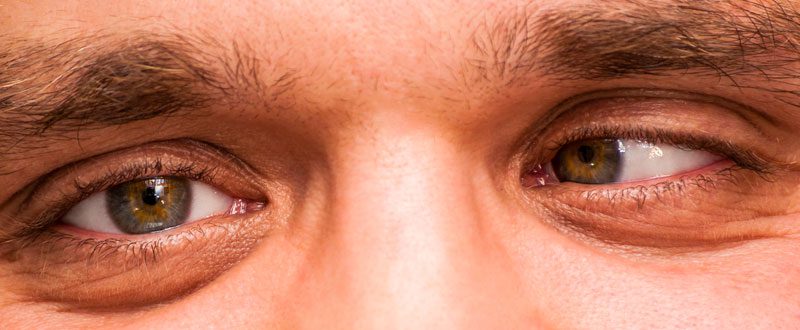
Strabismus is the term used to describe any misalignment of the eyes, where the eyes fail to work together to properly focus on and track objects. Although strabismus is common in children, it can also affect adults—often referred to as adult strabismus—leading to a somewhat different set of symptoms and impacts compared to younger patients.
In strabismus, when one eye is focused straight ahead, the other may turn inward, outward, upward, or downward. In adults, this misalignment can cause visual disturbances such as double vision (diplopia) or visual confusion, both of which can be quite debilitating.
Read also: Eye Twitching: Causes, Treatment, and Diagnosis
Causes of Strabismus in Adults
Strabismus occurs when there is a problem with the eye muscles, the nerves that control those muscles, or the way the brain coordinates eye movements. Many adults with strabismus have actually had the condition since childhood. However, strabismus can also develop in adulthood due to various medical issues, such as:
Sometimes eye misalignment can also occur after surgery on or around the eye, such as cataract surgery or retinal surgery, due to damage to the eye muscles during the procedure.
Read also: FEMTO LASIK Benefits and Its Positive Impact on Your Vision
Symptoms of Strabismus in Adults
Adults with strabismus may experience:
To compensate for their inability to focus both eyes properly, many adults with strabismus tend to tilt or turn their heads when trying to focus. They may also find it difficult to maintain direct eye contact in conversation, which can make social situations uncomfortable or embarrassing. These symptoms can negatively affect work performance and social opportunities.
For this reason, it is advisable to visit the Eye Center at Al Batal Specialized Complex in Jeddah if you notice these symptoms, in order to benefit from the services available at the center, avoid potential complications, and consult ophthalmologists who are specially trained in effectively treating adult strabismus.
Read also: PRK (Surface Laser) Surgery: Everything You Need to Know
Treatment of Strabismus in Adults
Adult strabismus can be treated using several approaches, including:
Strabismus surgery is usually performed on an outpatient basis under general or local anesthesia. Patients may experience some pain or discomfort after the procedure, but it is usually mild and can often be managed with over‑the‑counter pain relievers such as Panadol or paracetamol. In some cases, stronger pain medications such as codeine may be required and will be prescribed by the ophthalmologist or anesthesiologist.
Most patients can return to their normal activities within a few days. However, depending on the severity of the condition, more than one surgery may be needed to achieve optimal alignment.
Read also: Warm Eye Compresses: Everything You Need to Know
Risks of Strabismus Surgery
Vision loss as a result of strabismus surgery is extremely rare. However, as with any surgical procedure, there are potential risks that must be considered. Possible complications may include:
It’s Never Too Late to Treat Strabismus

You should book an appointment with the strabismus specialists at the Eye Center in Al Batal Specialized Hospital in Jeddah, Saudi Arabia. There is no need to live with strabismus in silence, regardless of your age or how advanced the condition is.
Read also: Eye Vision Testing Using 3 Different Charts