Med info
7 Things You Didn’t Know About Femto SMILE Surgery

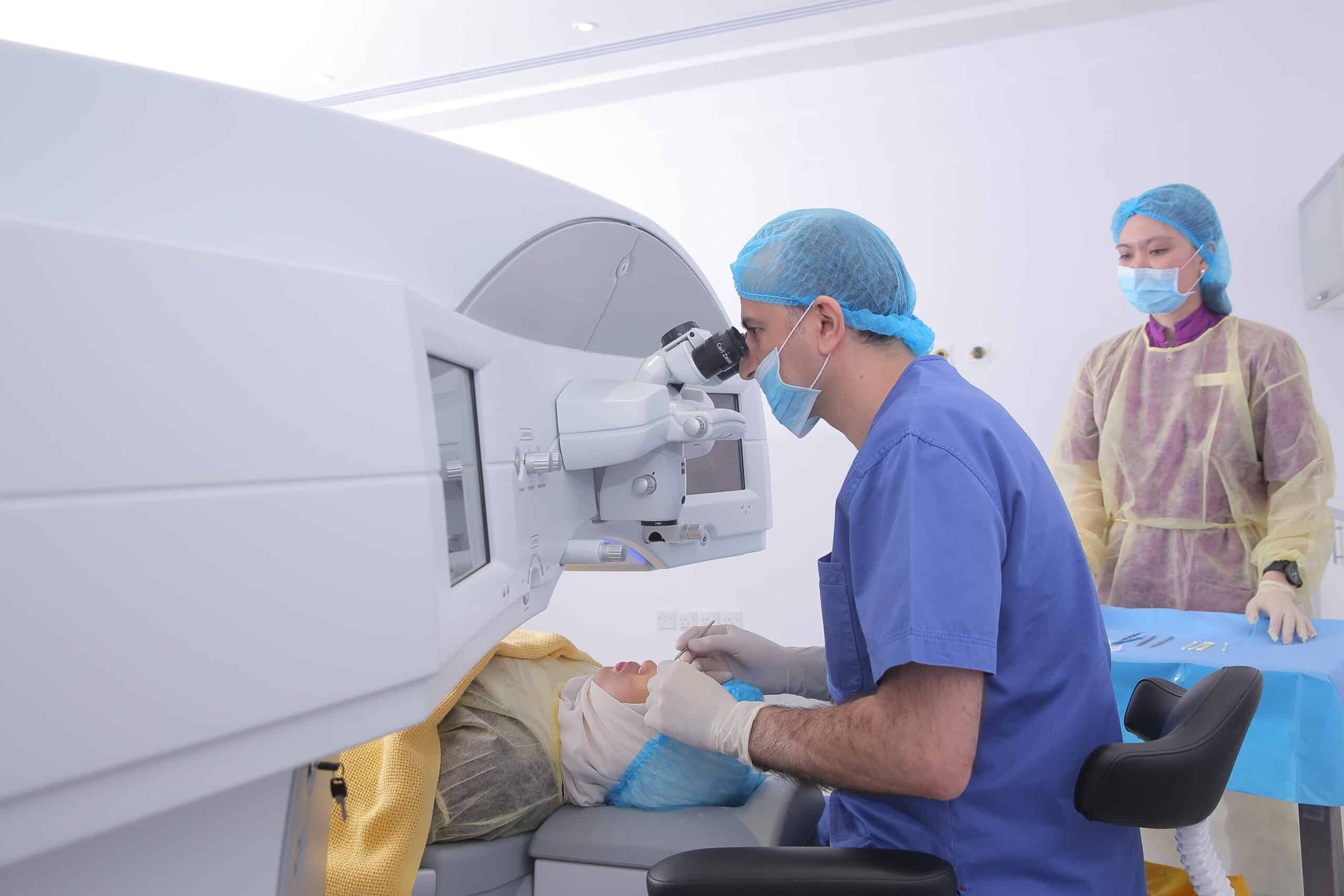
Are you interested in vision correction procedures? In addition to LASIK, there is now another advanced option in the world of refractive surgery known as Femto SMILE. This procedure is considered the third generation of laser vision correction, using femtosecond laser technology, and it is approved by the U.S. Food and Drug Administration (FDA). Below are 7 things you may not know about Femto SMILE surgery.
What Is SMILE Eye Surgery?
Facts About Femto SMILE
Here are a few key points you may not have come across before:
1. It’s Not Actually New
Femto SMILE is not a brand‑new procedure; it has been around for more than 10 years. Over this time, it has gained the trust of many ophthalmic surgeons as a reliable way to correct refractive errors. It has also appealed to many patients, especially those who were not good candidates for other vision correction procedures, or those in certain professions—such as athletes or police officers—who need a faster recovery, shorter surgical time, and lower risk of trauma compared with flap‑based refractive surgeries like traditional LASIK.
2. It Preserves Corneal Nerves and Strength
Femto SMILE involves minimal surgical disruption of the cornea and its nerves, unlike other laser procedures that require creating a large corneal flap or removing a full surface layer of corneal tissue. In SMILE, the correction is performed through a small incision, which helps maintain corneal integrity and reduces the extent of corneal injury or weakening, even during the healing period.
3. The Procedure Is Quiet and Odor‑Free
In many laser vision correction procedures, the laser can produce a distinct smell and a noticeable buzzing sound during treatment. With this new generation of refractive surgery, SMILE using femtosecond laser, there is essentially no burning smell and minimal noise during the procedure, making the overall experience more comfortable for the patient.
4. Femto SMILE Is a Blade‑Free Procedure
Unlike traditional refractive surgeries that relied on a microkeratome (a surgical blade) to create a corneal flap or incision, Femto SMILE is completely blade‑free. The femtosecond laser precisely targets the inner layers of the cornea to reshape it and correct the refractive error through a small keyhole incision. Older techniques used a surgical blade to cut and reshape corneal tissue, which involved a larger and more invasive corneal incision.
5. Faster Recovery With Femto SMILE
Because Femto SMILE does not require a large flap or extensive cutting of corneal tissue, and instead reshapes the cornea internally using a femtosecond laser through a small incision, the procedure is considered minimally invasive. As a result, corneal tissue tends to heal faster, with less disruption to the eye’s overall health and corneal nerves. This higher level of surgical safety often translates into quicker recovery and visual stabilization for the patient.
6. Not an Option for Farsightedness
Since Femto SMILE was first introduced as a laser vision correction method using femtosecond technology, clinical trials and FDA approval have focused on its use for treating myopia (nearsightedness) and astigmatism. It is not currently used to treat hyperopia (farsightedness), nor is it suitable for very high degrees of myopia beyond approved treatment ranges.
7. A Better Option for Certain Professions
One of the biggest advantages of Femto SMILE is that it does not require creating a corneal flap like in LASIK. In flap‑based surgeries, people in high‑risk professions—such as professional athletes, firefighters, or others prone to facial or eye trauma—were more vulnerable to flap displacement or injury. With SMILE, the tiny incision significantly reduces this risk, making the eye structurally more stable both during and after the procedure, and during the healing phase.
Benefits and Advantages of SMILE
Research shows that SMILE can achieve visual outcomes comparable to LASIK in correcting myopia, without the need for a large corneal flap. In one study of 328 patients who underwent SMILE, all but one achieved an uncorrected visual acuity (UCVA) of 20/40 or better after surgery, and 88% achieved 20/20 UCVA or better.
In addition, SMILE appears to carry a lower risk of postoperative dry eye symptoms compared with LASIK. Because SMILE does not require a large corneal flap, fewer corneal nerves are cut, and this is believed to contribute to a reduced risk of dry eye after the procedure.
The very small incision used in SMILE also helps the cornea maintain more of its biomechanical strength and resistance to trauma compared with LASIK. Studies suggest that SMILE may be able to correct higher levels of myopia than LASIK with a lower likelihood of needing an enhancement procedure to fine‑tune the vision.
Features of Femto SMILE
This procedure offers the following key features and characteristics:
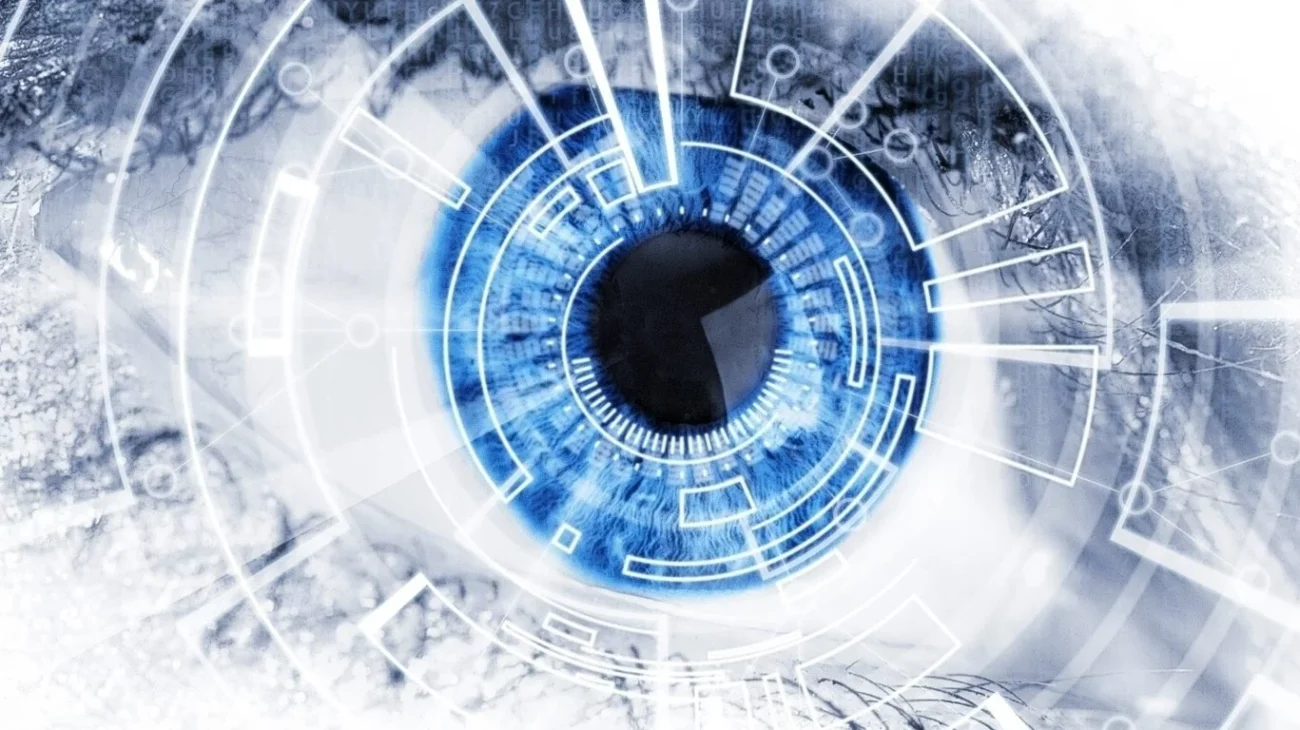
Femto SMILE
What About SMILE Surgery for Astigmatism?
Conclusion
If you suffer from a refractive error such as myopia or astigmatism and are looking for a suitable vision correction option—or if you were previously told you are not an ideal candidate for other refractive surgeries and felt discouraged about ever getting rid of glasses or contact lenses—Femto SMILE may be an excellent option for you, especially if your cornea is thinner than what is typically required for LASIK.
Because Femto SMILE does not require a large corneal flap or deep corneal incision, all that is needed is a small keyhole incision in the cornea. Through this access point, the cornea is reshaped using femtosecond laser technology to correct the refractive error, without the use of blades or traditional surgical cutting.
If you are in the Middle East, there is no need to feel discouraged anymore. At Batal Specialty Complex, we have made this advanced vision correction technology available to our patients.
All you need to do is contact us today and speak with one of our experienced ophthalmologists. We will be happy to answer all your questions. You can also visit the center to undergo a full set of diagnostic tests to evaluate your condition, determine the type and degree of refractive error, measure corneal thickness, and assess the overall health of your eyes and body. Based on this, we can decide whether Femto SMILE is suitable for you and whether it can realistically meet your expectations for your vision.
Don’t hesitate to get in touch with us today—we look forward to hearing from you.