Med info
5 Things You Need to Know About the PanOptix Trifocal Lens

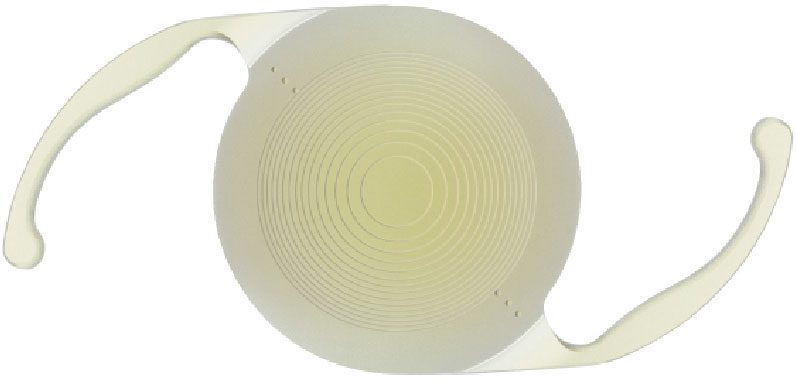
Intraocular lenses (IOLs) are medical devices used to replace the eye’s natural lens when it becomes clouded by cataracts and causes poor vision. The PanOptix trifocal intraocular lens is a newer type of IOL that provides three distinct ranges of clearer vision.
Clinical studies have shown that these lenses are safe and effective. There are several types of IOLs available, but monofocal lenses are still the most commonly used option after cataract removal. The PanOptix trifocal lens is an important addition to these options. At the Eye Center in Batal Specialized Complex in Saudi Arabia, patients can work with their doctor to determine which type of IOL is best suited to their individual case.
Read also: Frequently Asked Questions About Cataract Surgery
What Is the PanOptix Trifocal Lens?
An IOL is a small artificial lens that replaces a damaged natural lens inside the eye. These devices are used to restore vision when cataracts become advanced enough to significantly interfere with clear sight.
Many people undergo cataract surgery to remove one natural lens at a time. In such cases, replacing it with a single‑focus (monofocal) lens is often sufficient and does not usually compromise overall vision. However, patients who choose multifocal IOLs can enjoy both near and distance vision in the same eye.
The newer PanOptix trifocal lens offers three focal distances instead of just one or two, as is the case with many other IOL types. These lenses replace the natural lenses that have become cloudy due to cataracts, and they may also be suitable for people with blurred vision related to irregular corneal shape.
Read also: Visual Illusions – Everything You Want to Know
Three Distinct Ranges of Clear Vision
One of the main advantages of the PanOptix trifocal lens is improved vision across three ranges: distance, intermediate, and near. Intermediate visual tasks include activities such as shaving and working on a computer. Near tasks include sewing, writing, and reading.
These lenses work by bending (refracting) light so that it focuses properly on the retina. Cataracts that form in the natural lens prevent light from reaching the entire retina, or filter the light in a way that keeps the brain from forming a sharp image.
Many people do not notice the gradual vision changes caused by cataracts during the first few years. Once vision is impaired enough, an ophthalmologist or optometrist will recommend surgery. Because older adults are more likely to need cataract surgery, they often seek better visual outcomes that allow them to comfortably continue tasks like reading, using a computer, and driving.
The new PanOptix trifocal lens can provide better visual outcomes for anyone 22 years of age or older who needs to replace their natural lens. These lenses also help reduce the impact of presbyopia (age‑related difficulty focusing on near objects).
Read also: Causes of Double Vision and What Can Be Done
Benefits of the PanOptix Trifocal Lens
Among currently available trifocal options, PanOptix trifocal lenses are considered some of the most effective. They are made of materials that filter ultraviolet (UV) and blue light, helping protect the eyes from potential damage caused by screens and sunlight. With the PanOptix trifocal lens, patients can often achieve better image quality than with other trifocal IOLs.
A major benefit of PanOptix trifocal lenses is easier reading without always needing reading glasses. PanOptix is designed to provide clearer intermediate and near vision, which can make reading and other close‑up tasks much more comfortable.
Read also: What Is Minimally Invasive Glaucoma Surgery (MIGS)?
FDA Approval of the PanOptix Trifocal Lens and Clinical Studies
Clinical results have shown that near vision outcomes with the PanOptix trifocal lens are excellent, with minimal risks and side effects. Some patients may experience mild side effects. At the Eye Center in Batal Specialized Complex, patients can benefit from the expertise of experienced ophthalmologists and access to advanced modern technologies.
Is the PanOptix Trifocal Lens the Right Choice?
The best way to determine whether the PanOptix trifocal lens is appropriate is to consult an ophthalmologist or optometrist at the Eye Center in Batal Specialized Complex. Younger patients who are still working may especially appreciate the added benefit of three functional focal distances, which can help them commute, perform their job, and handle daily tasks more easily. Older patients can also gain significant advantages, allowing them to enjoy retirement and maintain independence.

It is advisable to work with the Eye Center at Batal Specialized Complex, which provides comprehensive patient care, to find out whether this lens is a suitable option for you.
Read also: Information on Protecting Your Eyes from UV Radiation