Med info
3D View of the Human Body from the Inside

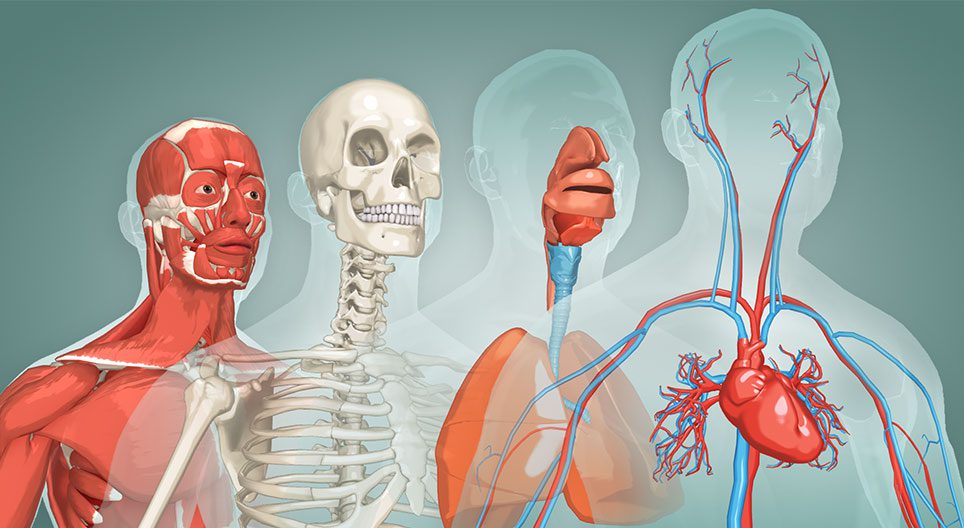
The human body is a highly complex and remarkably organized structure made up of countless cells that work together to perform specific functions essential for sustaining life. It consists of all the living and non-living components that form the complete structure of the human organism, including every living cell, tissue, and organ.
Externally, human anatomy is divided into five main parts: the head, neck, trunk, arms, and legs. Beneath the skin, however, there are countless biological and chemical interactions taking place at every moment.
If you are in Jeddah, Saudi Arabia, it is important to visit Batal Specialized Complex for a comprehensive check-up and medical tests to ensure your overall health. The center provides access to top physicians and specialists, full services and care, and safe, effective treatment options.
Read also: Types of Eyes in Detail
The Human Body from the Inside
Different organs can work together to perform a shared function, and groups of organ systems work in harmony to create a fully functional living organism. In humans, there are 11 major organ systems.
The human body is composed largely of water and organic compounds, namely fats (lipids), proteins, carbohydrates, and nucleic acids. Water is found in extracellular fluids (such as blood plasma, lymph, and interstitial fluid) as well as inside the cells themselves, acting as a universal solvent.
Some of the internal organs we cannot see include:
Read also: Blood Sugar Levels in the Body and the Eye
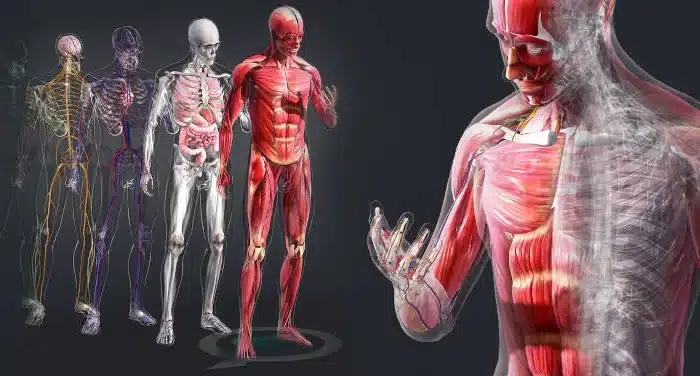
The Human Body
How Many Bones Are in the Human Body?
A newborn’s body contains about 270 bones, many of which gradually fuse together to form 206 bones in adulthood. The number of bones in the skeleton changes with age as numerous bones merge—a process that is generally complete by the third decade of life. In addition, several bones of the skull and face start out as separate bones before fusing.
An adult typically has 26 vertebrae in the spinal column, whereas a child can have up to 34 individual vertebrae before they fuse. There are 25 bones in the thoracic cage, although some people may have additional cervical ribs. Cervical ribs occur naturally in many animals such as reptiles.
There are 22 bones in the skull, and when the middle ear ossicles are included, the head contains a total of 29 bones. Each upper limb contains 64 bones. You can contact Batal Specialized Complex in Saudi Arabia and book an appointment to monitor growth and development in children.
Read also: Age Calculator and How Aging Affects the Eye
Organs of the Human Body
The human body is made up of many systems and organs, each part carrying out one or more specific functions. Every such part is called an organ. An organ is a distinct structure in a living organism that performs one or multiple functions. The heart, brain, kidneys, liver, and lungs are considered the five most vital organs in the human body.
The body relies on its major internal organs to carry out critical life-sustaining functions. Some of the internal organs that can be easily identified, along with their associated roles, include:
Read also: Aortic Syndrome (Al-Abhar) | Everything You Need to Know
What Is the Only Part of the Human Body That Does Not Receive Blood?
The circulatory system consists of arteries and veins that transport blood to and from the heart. Arteries carry blood away from the heart, while veins return blood back to the heart. Through this system, oxygen is delivered to all cells of the body and carbon dioxide is removed.
The cornea is the only living tissue in the human body that does not require its own blood supply. Instead, it receives the oxygen and nutrients it needs directly from the tear film and from the aqueous humor.
The cornea of the human eye is the transparent, dome-shaped front surface of the eye and is the only living tissue in the body that functions without any direct blood supply. It provides most of the eye’s refractive power and covers the iris (the colored part of the eye), the pupil (the opening in the center of the iris), and the anterior chamber behind the cornea, which is filled with aqueous fluid.
Batal Specialized Complex in Jeddah, Saudi Arabia, is a specialized consultant center that includes subspecialty clinics, top ophthalmologists, and advanced diagnostic and therapeutic equipment.
Read also: What Do You Know About Eye Ointment?

Batal Specialized Complex in Saudi Arabia is considered one of the most important and advanced leading medical centers in the field of eye care and eye disease treatment. Its reputation is growing day by day thanks to the excellent outcomes achieved by its physicians, in addition to the center’s use of the latest technologies for eye examination and treatment.
If you are experiencing any eye problem, do not hesitate to book an appointment at Batal Specialized Complex to receive the best possible medical consultation from a specialized ophthalmologist at the center.