
Med info
2026 Guide to the Best Vision Correction Procedures

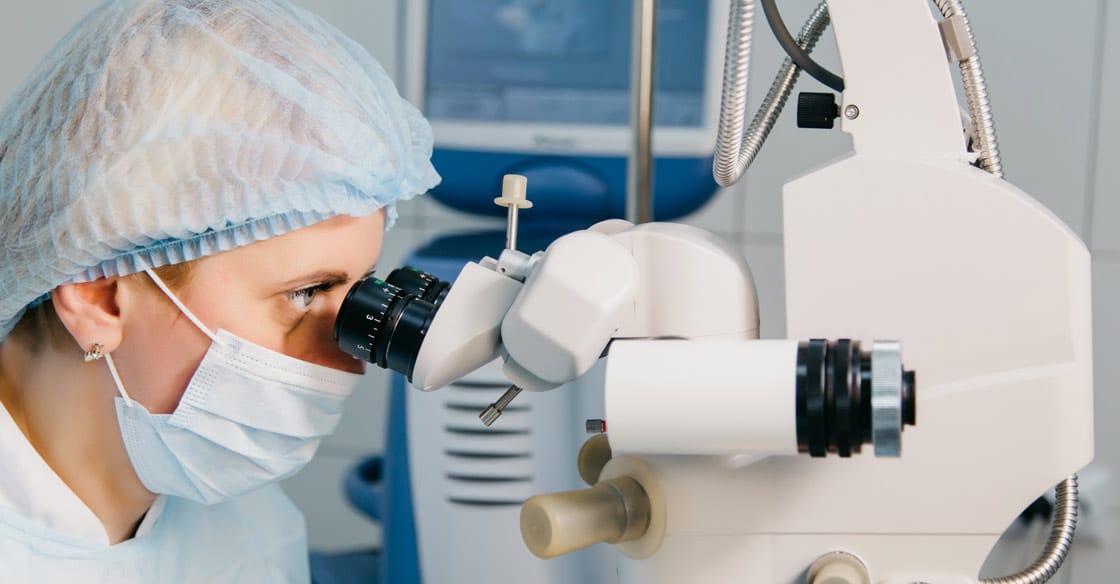
Laser eye surgery is currently the most common type of vision correction procedure, but it is not the only surgical option available. A range of laser techniques can correct myopia (nearsightedness), hyperopia (farsightedness), and astigmatism by reshaping the cornea so that light focuses properly on the retina. This can significantly reduce or even eliminate the need for glasses or contact lenses.
However, not everyone who wears glasses or contacts is a candidate for vision correction surgery. People with certain eye disorders such as keratoconus, those with conditions that cause severe dry eye, or patients taking the acne medication isotretinoin (Accutane) may not be suitable candidates.
It is recommended to visit the Eye Center at Batal Specialty Complex in Saudi Arabia for a comprehensive eye examination and high‑quality treatment results, delivered by an experienced surgical team, along with excellent services and some of the best vision correction options.
Also read: What Are the Risks of Laser Eye Surgery?
Best Vision Correction Procedures 2023
Refractive eye surgery has become extremely popular, helping many patients free themselves from the daily hassle of glasses and contact lenses.
With so many laser and LASIK options now available, it can be hard to know which are the best vision correction procedures for 2023. Research suggests that nearly half of the world’s population has some type of refractive error.
If you are part of this statistic and are tired of wearing glasses or contacts, you may be considering surgery. Below, we’ll look at some of the most common surgical options and explain why different eyes require different procedures. The leading vision correction procedures include:
LASIK
The most well‑known type of laser vision correction is LASIK, or Laser‑Assisted In Situ Keratomileusis.
For people with refractive errors such as myopia, hyperopia, or astigmatism, LASIK has become the gold‑standard procedure.
LASIK restores optimal vision by creating a corneal flap, which allows the surgeon to access and reshape the underlying corneal tissue. Modern LASIK has revolutionized laser eye surgery, offering patients highly predictable, rapid results with minimal discomfort and short recovery times.
However, not everyone is a candidate for LASIK. You and your eyes must meet several criteria to qualify.
Your ophthalmologist will perform a thorough eye examination to determine whether LASIK is appropriate for you.
If you are deemed a suitable candidate, there are several LASIK variations, such as bladeless LASIK, MonoLASIK (monovision LASIK), and Epi‑LASIK. LASIK can also be used to help treat amblyopia (“lazy eye”) in select cases when the condition is driven by a significant difference in refractive error between the two eyes.
LASEK
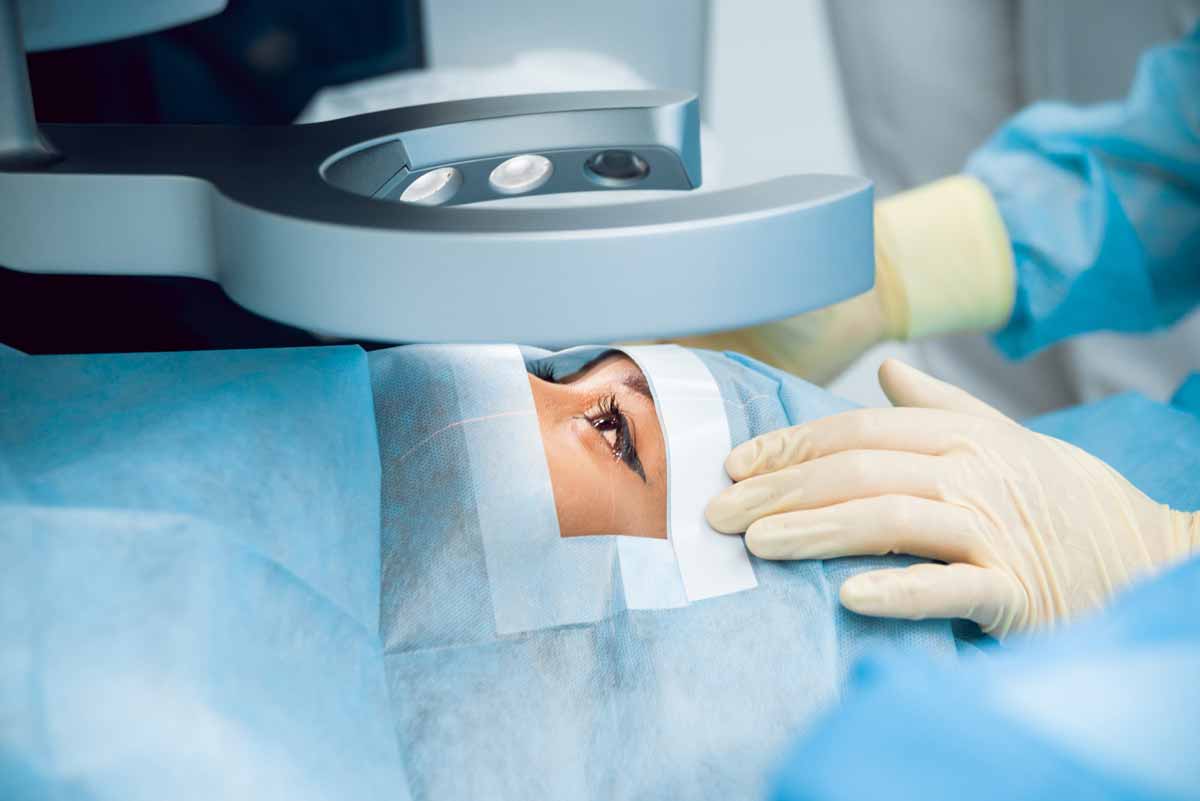
LASEK, or Laser‑Assisted Subepithelial Keratectomy, is similar to LASIK in that a corneal flap is created to allow the surgeon to access the deeper layers of the cornea.
The laser is then used to reshape the cornea and correct the refractive error. In LASEK, the flap is much thinner than in LASIK and consists only of the epithelial layer, making the technique somewhat similar to PRK.
Unlike PRK, the epithelial flap is repositioned at the end of the procedure, and a bandage contact lens is placed over the cornea to support healing.
LASEK may be a better option than LASIK if you have high myopia or if creating a thicker corneal flap could pose a risk of flap complications or instability. However, LASEK is generally more uncomfortable than LASIK and has a longer recovery period than both LASIK and PRK.
Also read: The Effect of LASIK Vision Correction During Pregnancy
SMILE
SMILE, or Small Incision Lenticule Extraction, is a newer type of laser vision correction used to treat myopia and astigmatism.
During SMILE, the surgeon uses a femtosecond laser to create a thin, lens‑shaped piece of tissue (lenticule) within the cornea.
This lenticule is then removed through a tiny keyhole‑sized incision in the cornea. Once the tissue heals over the following days, vision becomes clearer. Recovery after SMILE is often even faster than with LASIK, but SMILE currently cannot correct hyperopia.
Also read: Does Bupa Insurance Cover Vision Correction at Batal Specialty Complex?
A Look at the Pros and Cons of Common Laser Vision Surgeries
Photorefractive Keratectomy (PRK)
PRK was the first laser refractive surgery approved by the U.S. Food and Drug Administration (FDA). During PRK, the ophthalmologist removes the thin outer layer of the cornea (the epithelium) and then uses an excimer laser to reshape the cornea to a curvature that matches the patient’s prescription.
Compared to more modern procedures, PRK is associated with more post‑operative discomfort and a slightly longer healing period. However, there are definitely situations in which PRK is the safer or more appropriate choice—for example, in patients with thinner corneas or certain occupational needs.
Also read: Is LASIK Eye Surgery Painful?
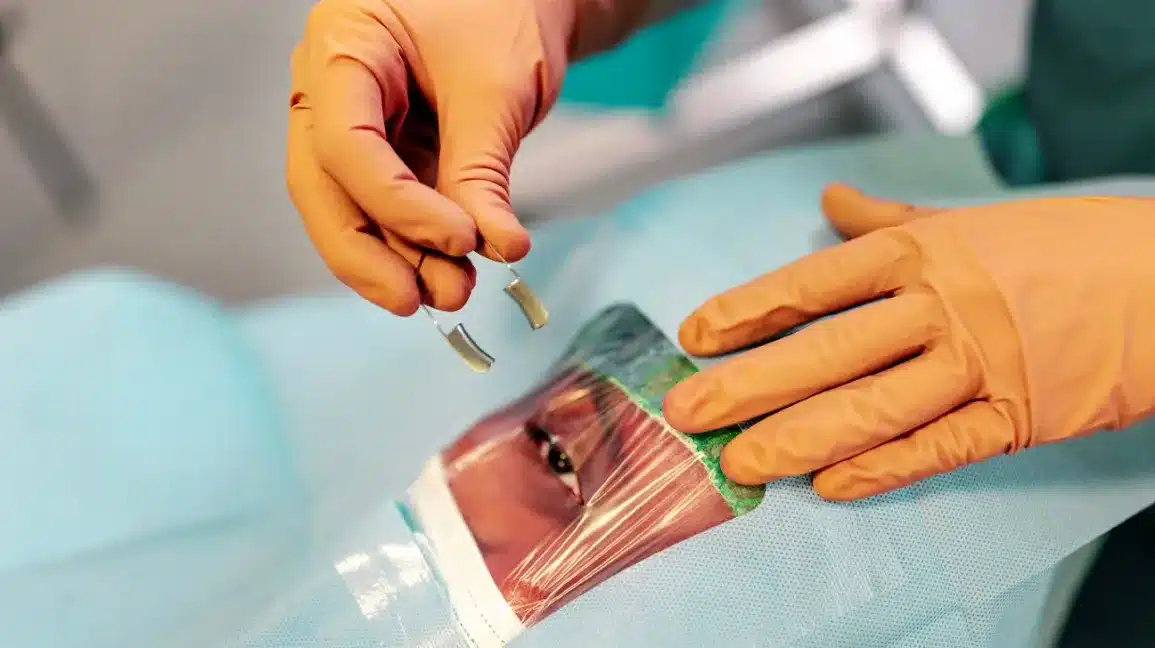
The Newest Vision Correction Procedures 2024
Laser‑Assisted In Situ Keratomileusis (LASIK)
LASIK provides similar visual outcomes to PRK but with faster healing and less discomfort. In LASIK, the surgeon creates a flap from the outer corneal tissue and lifts it to access the inner corneal layers, which are then reshaped with the laser. Once the reshaping is complete, the flap is repositioned. Most patients experience a rapid return of functional vision with minimal discomfort.
Also read: Post‑LASIK Instructions | Important and Helpful Details
Small Incision Lenticule Extraction (SMILE)
In laser eye surgery for myopia using SMILE, a highly precise laser creates a disc‑shaped piece of tissue (lenticule) within the cornea. This lenticule is removed through a very small incision, without creating a traditional corneal flap. SMILE offers visual correction comparable to LASIK but avoids flap‑related issues, causes less disruption to corneal nerves, and may be a better option for patients prone to dry eye.
Also read: Top Reasons to Consider LASIK Beyond Clear Vision
The Cost Factor
Most reputable centers charge in the range of about 5,000 USD to correct both eyes with laser vision surgery. This cost reflects the price of the laser systems, the surgical team, service and maintenance of the equipment, as well as pre‑ and post‑operative care and the clinic’s facility fees.
The Eye Center at Batal Specialty Complex in Saudi Arabia is considered one of the best centers for managing a wide range of eye conditions, offering competitive pricing and attractive packages. You can contact them directly for current offers.
Also read: LASIK for Astigmatism | Facts, Treatment Options, and Benefits
Which Procedure Is Right for Me?
So how do you know which procedure is best for you? According to Dr. Dobbs, candidacy for laser vision correction in general—and for specific types of procedures in particular—depends on undergoing a detailed, focused evaluation with a refractive surgery specialist. There are even lens‑based refractive surgery options (such as phakic IOLs or refractive lens exchange) for patients who are not ideal candidates for corneal laser surgery, and these can also deliver excellent results.
The Eye Center at Batal Specialty Complex in Saudi Arabia provides comprehensive support for patients, offering top vision correction procedures alongside ongoing monitoring and full post‑operative care.
Also read: Can You Have Laser Eye Surgery More Than Once?

Whatever symptoms of reduced vision or eye problems you may have, this sensitive medical area requires a thorough examination and an accurate diagnosis, followed by individualized treatment by a skilled, experienced ophthalmologist using effective medical technology that ensures positive outcomes.
Whatever eye condition you are dealing with, you can book an appointment at Batal Specialty Complex to undergo the necessary evaluation and begin addressing your eye problems, no matter how complex they may be.