
Med info
Recurrent Eye Inflammation in Children: Causes, Symptoms, Diagnosis, and Treatment at Batal Specialist Medical Center

What Is Recurrent Eye Inflammation in Children?
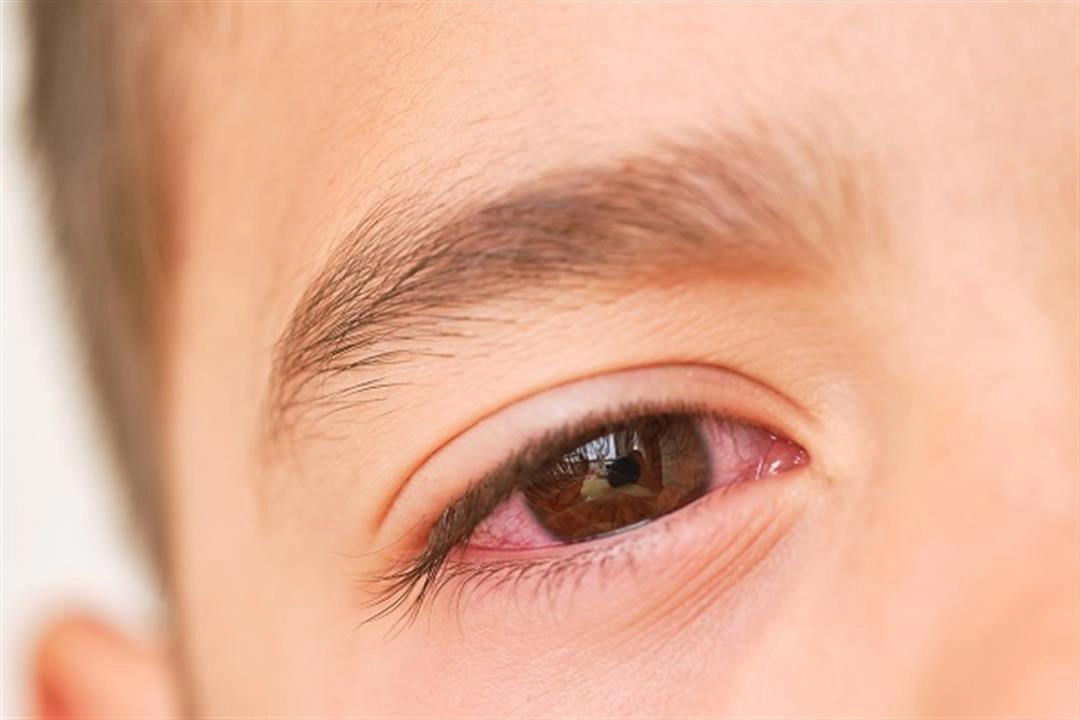
Recurrent eye inflammation in children is a condition in which eye inflammation—most commonly conjunctivitis—returns multiple times over a relatively short period, whether in the same eye or in both eyes.
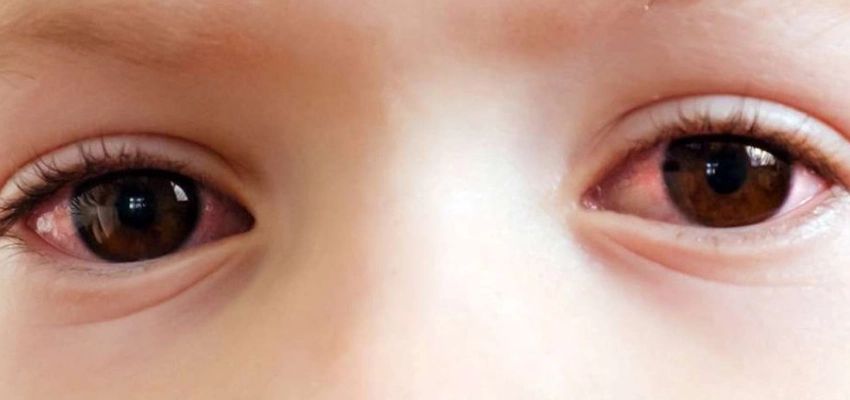
This condition is characterized by repeated episodes of symptoms such as eye redness, excessive tearing, itching, yellow or white discharge, and a sensation of discomfort or burning in the eyes.
Recurrent eye inflammation may be caused by repeated bacterial or viral infections, chronic allergic conjunctivitis, weakened immunity, or ongoing exposure to irritants such as dust and smoke.
It is one of the most frequent reasons for pediatric visits to ophthalmologists, as it can affect the child’s comfort, ability to focus at school, and visual clarity if not properly diagnosed and treated.
Early identification of the underlying causes of recurrent eye inflammation in children is essential for choosing the right treatment, preventing complications, and reducing the likelihood of future recurrences.
Causes of Recurrent Eye Infections in Children
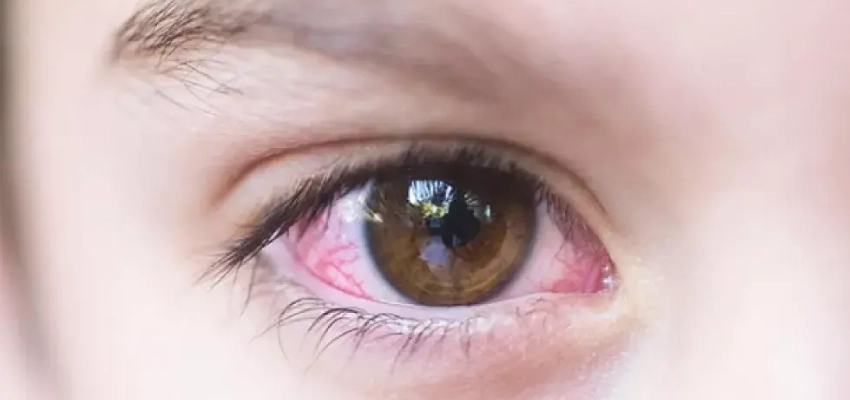
The causes of recurrent eye inflammation in children range from viral and bacterial infections to allergies and weakened immunity, all of which make the eyes more prone to repeated episodes of inflammation.
In many cases, eye infections in children are caused by common cold viruses or bacteria that spread easily in nurseries and schools through contaminated hands touching the eyes, or by sharing towels and personal items.
Allergic conjunctivitis triggered by dust, pollen, or pet dander is also a frequent cause of chronic eye irritation, particularly in children with a family history of allergies or asthma.
Another important cause is nasolacrimal duct obstruction in infants, which leads to stagnant tears and bacterial overgrowth on the eye surface, resulting in recurrent redness, swelling, and discharge.
Constant eye rubbing, poor personal hygiene, and improper use or care of contact lenses during adolescence can further increase the risk of repeated eye infections.
In rare cases, recurrent eye inflammation may be linked to immune system disorders or chronic diseases, in which case a thorough medical evaluation is essential to identify the underlying cause and provide definitive treatment.
Symptoms of Recurrent Eye Inflammation
Symptoms of recurrent eye inflammation in children are often clearly reflected in both their behavior and the appearance of the eye. Parents may notice persistent or frequently recurring redness, along with a burning sensation or bothersome itching that makes the child rub their eyes repeatedly.
Eye inflammation in children may also be accompanied by watery or purulent discharge, especially upon waking, which can sometimes cause the eyelids to stick together and make it difficult for the child to open their eyes in the morning.
Some children complain of temporary blurred vision or marked sensitivity to light (photophobia), leading them to avoid bright places or report headaches.
There may also be mild swelling of the eyelids or the area around the eye, along with a sensation as if there is a foreign body in the eye.
The recurrence or persistence of these symptoms over long periods warrants evaluation by a pediatric ophthalmologist to identify the underlying cause of the recurrent eye inflammation and initiate early treatment—particularly if the symptoms are associated with fever, upper respiratory infections such as colds, or seasonal allergies.
Eye Inflammation in Infants
Eye inflammation in infants is a common issue that often worries parents. It may present as eye redness, sticky or yellowish discharge, and mild swelling of the eyelids, all of which require prompt attention.
In most cases, eye inflammation in babies is caused by a blocked tear duct, or by a bacterial or viral infection. It can also result from allergies or irritation due to smoke, dust, or the use of inappropriate products near the baby’s eyes.
It is important to closely observe symptoms of eye inflammation in infants, such as excessive tearing, eyelids sticking together upon waking, or frequent rubbing of the eyes. Neglecting these signs and delaying treatment may lead to complications and more severe inflammation.
Gently cleaning the baby’s eyes, maintaining good hand hygiene, and avoiding sharing towels can help reduce the spread of eye infections among children. However, early evaluation by a pediatrician or an ophthalmologist remains essential to determine the proper treatment and to protect the child’s vision.
When Does Recurrent Eye Inflammation Become Serious?
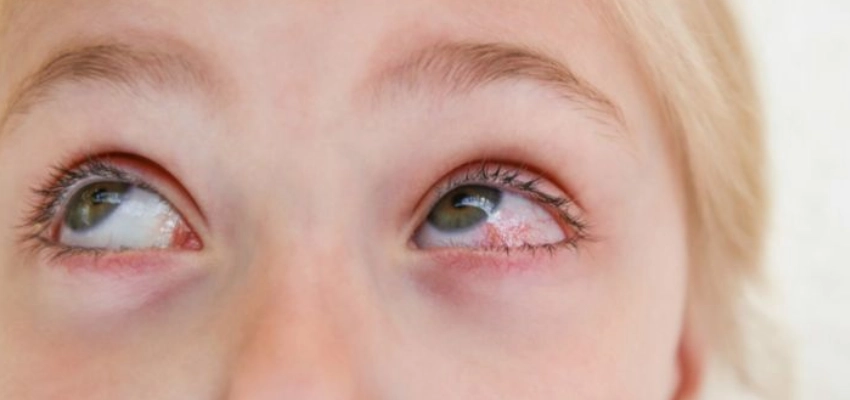
Recurrent eye inflammation in children becomes a concern when it happens several times over a short period, lasts for weeks without improvement despite appropriate treatment, or is accompanied by alarming symptoms such as severe eye pain, marked eyelid swelling, pronounced redness, significant light sensitivity, or sudden deterioration in vision.
In such cases, repeated eye inflammation may signal deeper problems, such as immune system weakness, chronic allergies, nasolacrimal duct obstruction (blocked tear duct), or a more serious infection that can involve the cornea and potentially cause permanent visual damage.
Recurrent eye inflammation associated with fever, thick purulent discharge, or similar symptoms appearing in other family members is also a strong reason to seek prompt evaluation by an ophthalmologist, to determine the underlying cause and treat eye inflammation in children early before the condition worsens.
Recognizing when recurrent eye inflammation is serious helps parents distinguish between mild infections that can be monitored at home and those that require urgent medical attention to protect the child’s eyes and preserve healthy vision in the long term.
How is recurrent eye inflammation in children diagnosed?
Diagnosing recurrent eye inflammation in children begins with taking a detailed medical history from the parents. The doctor will ask about how often the episodes occur, how long the symptoms last, any history of allergies, frequent colds, or contact with individuals who have eye infections.
The ophthalmologist then examines the child’s eyelids, conjunctiva, cornea, and eye movements using a slit lamp, to identify the type of inflammation and determine whether it is viral conjunctivitis, bacterial conjunctivitis, or allergic conjunctivitis.
In some cases, the doctor may take a swab from the eye discharge for laboratory analysis to identify the causative bacteria or virus. This helps in choosing the most appropriate treatment and in reducing the likelihood of recurrence.
If there is suspicion of nasolacrimal duct obstruction—particularly in infants who have persistent discharge and eyelids sticking together in the morning—the tear drainage system may also be evaluated.
Assessing visual acuity and the child’s response to light helps detect any impact of recurrent inflammation on vision, while also ruling out other underlying causes such as immunodeficiency or skin disorders around the eyes that may increase the risk of recurrent eye inflammation in children.
Treatment of Recurrent Eye Infections in Children
Managing recurrent eye infections in children starts with accurately identifying the underlying cause—whether it’s bacterial conjunctivitis, viral conjunctivitis, allergic conjunctivitis, or a blocked nasolacrimal (tear) duct. For this reason, the child should be examined by a pediatric ophthalmologist rather than relying solely on home remedies.
In cases of bacterial conjunctivitis, the doctor typically prescribes an antibiotic eye drop. If the cause is allergic conjunctivitis, lubricant (artificial tears) and anti-allergy eye drops are often used, along with avoiding eye rubbing and minimizing exposure to triggers such as dust and smoke.
When the infection is viral, treatment is usually supportive, including cold compresses and artificial tears, while closely monitoring symptoms to ensure the infection isn’t worsening or spreading.
If recurrent eye inflammation is linked to nasolacrimal duct obstruction in infants, the doctor may recommend a specific massage technique over the area between the inner corner of the eye and the nose. If the blockage persists as the child grows, a probing or dilation procedure of the tear duct may be considered.
Alongside medical treatment, good hygiene practices play a crucial role in preventing recurrence. These include frequent handwashing, avoiding sharing towels or personal items with others, and gently cleaning eye discharge. Such measures help reduce the risk of repeated infections and protect the child’s vision and eye health in the long term.
When should you see a pediatric ophthalmologist immediately?
You should seek urgent evaluation by a pediatric ophthalmologist if you notice marked redness of your child’s eye accompanied by swollen eyelids or a profuse yellow or green discharge, especially when the eye infection is associated with fever, lethargy, or constant crying.
Prompt medical attention is also crucial if your child complains of severe eye pain, is unable to fully open the eye, shows extreme sensitivity to light (photophobia), or sustains a direct eye injury during play or a fall.
Sudden changes in eye movements—such as the abrupt onset of strabismus (crossed eyes), involuntary eye movements (nystagmus), a noticeable decline in vision, or any suspicion that your child is not seeing well—are warning signs that must not be ignored.
In addition, you should consult an eye specialist immediately if your child’s eye infection symptoms do not improve within 24–48 hours of simple home care, or if the child is an infant younger than three months of age, as delaying diagnosis and treatment may lead to serious complications that can jeopardize vision.
Book an appointment for specialized pediatric eye infection care at Batal Eye Specialty Center
If you notice redness in your child’s eye, persistent tearing, unusual discharge, or frequent itching, don’t hesitate to book an appointment at Batal Specialized Medical Complex, where your child can receive comprehensive care based on the latest clinical guidelines for treating eye infections in children.
Our clinic is staffed with ophthalmologists specialized in pediatric ophthalmology, with the expertise to accurately determine the cause of eye inflammation—whether due to viral or bacterial infection, allergic conjunctivitis, or irritation from environmental factors.
At Batal Specialized Medical Complex, we use advanced diagnostic equipment and safe, age-appropriate treatment protocols, while also educating parents on proper prevention strategies and home eye care to protect children’s vision and reduce the risk of recurrent infections.
Schedule your child’s eye examination today. Early and accurate diagnosis of eye infections in children helps prevent complications and supports strong vision and long‑term eye health.