
Med info
Eye Diseases: The Most Common Eye Conditions

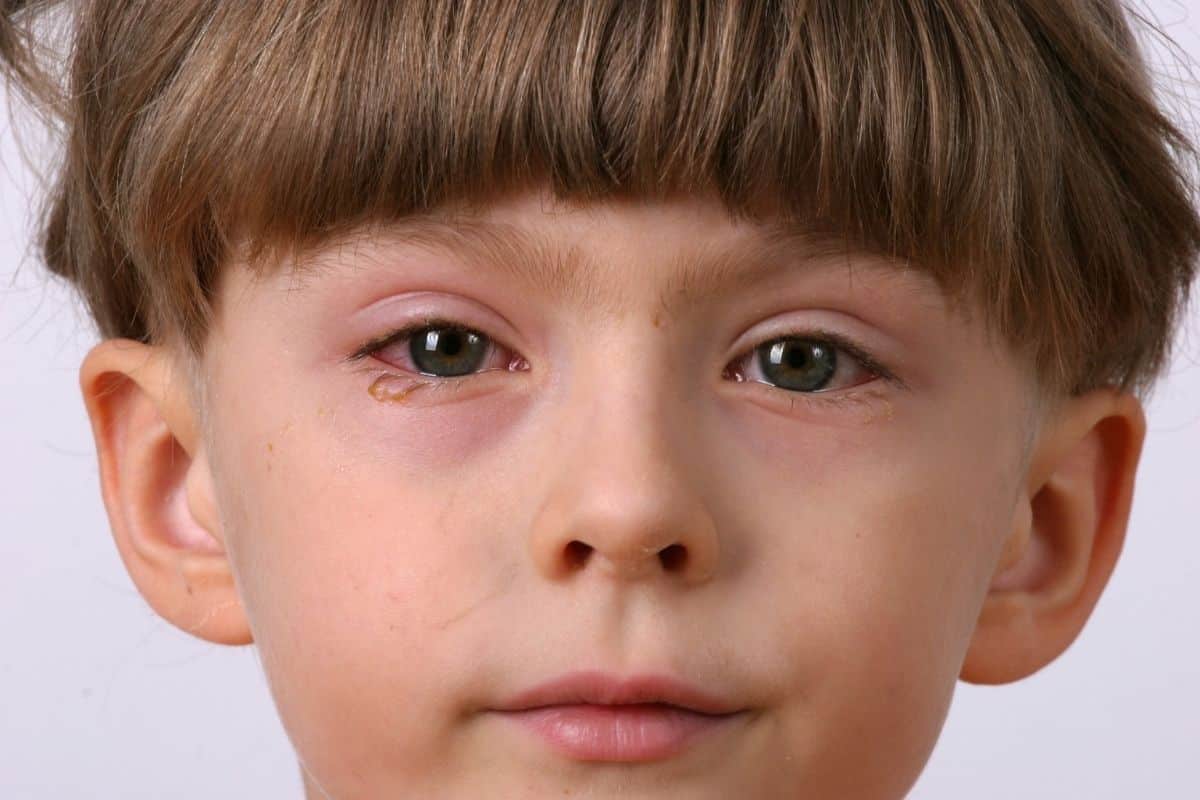
It can be difficult to predict how serious an eye disease is. Many serious eye conditions have no symptoms in their early stages, and signs often don’t appear until vision is affected or sight is lost. On the other hand, you might notice something that looks alarming—such as eye swelling, inflammation, redness, or sudden severe irritation—and it may turn out to be nothing more than seasonal allergies or a minor, temporary issue.
Have you ever felt any kind of pain in your eye? Almost all of us have had some sort of eye problem at some point, ranging from mild to severe symptoms. Below is an overview of several common eye diseases, their names, how dangerous they are, how they are treated, and what you should do if you notice symptoms of a possible eye problem.
Eye Diseases in Children
Strabismus (Crossed Eyes)
Strabismus occurs when the muscles of one or both eyes are weak or imbalanced, so the eyes cannot focus on the same point at the same time. As a result, one eye may appear slightly turned or may look in a different direction.
Strabismus can develop if significant farsightedness is left untreated, or after a fall from a height. Ignoring strabismus in children can lead to amblyopia (lazy eye). Treatment options for strabismus in children have improved greatly in recent years, and it is best to consult an eye doctor as soon as any symptoms are noticed.
Lazy Eye (Amblyopia)
Symptoms of amblyopia (lazy eye) usually appear before the age of six. It is a condition that can result from strabismus, childhood cataracts, refractive errors, or misalignment of the eyes. Amblyopia develops when vision in one eye is weaker, so the brain starts to ignore the image coming from the affected eye and relies mainly on the clearer image from the healthy eye. Over time, vision in the weaker eye continues to deteriorate.
One of the most common treatments for lazy eye is patching the stronger eye to force the brain to use the weaker one and improve its function.
Keratoconus
Keratoconus typically appears in late adolescence. It is a disease in which the cornea loses its normal, regular shape and gradually bulges outward into a cone-like shape. This abnormal shape prevents light from focusing correctly on the retina, leading to blurred vision and marked sensitivity to light.
Contact lenses can be very helpful in the early stages of keratoconus. Laser vision correction procedures are usually not recommended, as they can further weaken or damage the cornea.
Inherited Eye Diseases
Childhood Cataracts
In rare cases, children can develop cataracts at a very young age. These children are born with a cloudy lens that prevents light from passing clearly to the retina, so they cannot see objects sharply. Childhood cataracts are considered one of the inherited eye diseases, since genetics are a common cause. However, other causes exist, such as infections, eye inflammation in children, drug reactions, severe eye trauma, or when the mother contracts measles or a high fever during pregnancy.
Color Blindness (Color Vision Deficiency)
Color blindness affects men much more frequently than women. It is a hereditary condition caused by differences in how the light-sensitive cells (photoreceptors) in the retina respond to certain colors. The main symptom is difficulty distinguishing between specific colors.
There is no definitive cure for color blindness, but certain specialized lenses and glasses can help enhance color contrast to some extent. The positive side is that overall vision in people with color blindness is usually normal, and they do not typically have other visual disorders.
People with color blindness can still see many colors, but have trouble telling some of them apart. Not everyone with color blindness has the same issue: some cannot distinguish red from green, others have difficulty with yellow and blue, and a very small group see the world mostly in shades of black, white, and gray.
Keratoconus, strabismus, refractive errors, and several other eye conditions can also be hereditary. For this reason, eye doctors strongly recommend regular eye examinations for everyone, especially those with a family history of eye disease, so that any issue can be detected and treated early. Early diagnosis greatly improves the chances of successful treatment.
The Most Common Eye Diseases and Their Treatments
Refractive Errors
If refractive errors such as myopia (nearsightedness), hyperopia (farsightedness), and astigmatism are not corrected, they can lead to significant visual impairment. Children may not notice these problems because they assume their vision is normal. Fortunately, refractive errors are easily treatable with corrective lenses (glasses or contact lenses) or with refractive surgery such as LASIK, Femto-SMILE, and other safe surgical options.
Cataracts
Cataracts usually affect people as they age, but they are also a common complication of conditions like diabetes. A cataract develops when the eye’s natural lens becomes cloudy, causing blurred or hazy vision. Cataracts are easily detected during routine eye exams. The definitive and highly effective treatment is cataract surgery, in which the cloudy natural lens is removed and replaced with an artificial intraocular lens.
Glaucoma
Glaucoma, often referred to as “the silent thief of sight,” develops when fluid builds up inside the eye, leading to increased intraocular pressure. Over time, this elevated pressure can damage the optic nerve—the structure that carries visual information from the eye to the brain. When the optic nerve is damaged, permanent vision loss can occur.
Treatment options include medicated eye drops that lower intraocular pressure and surgical procedures that help drain the excess fluid. You can inquire about the cost of glaucoma surgery at Batal Specialized Eye Center. Glaucoma often progresses without obvious symptoms, especially in its early stages, making it hard to detect without regular screenings. This is why periodic eye exams at a trusted eye clinic are essential to prevent irreversible vision loss.
Retinal Detachment
In retinal detachment, the retina separates from the underlying layer of supportive and nourishing tissue. Patients often describe the sudden appearance of a gray curtain or shadow moving across their field of vision, along with an abrupt decrease in visual clarity. Retinal detachment may result from severe eye trauma, a strong blow to the head, or sometimes from very high myopia (severe nearsightedness).
Retinal detachment is a medical emergency that requires urgent intervention. Without prompt treatment, it can lead to permanent loss of vision and blindness.
Uveitis (Iritis)
Uveitis is inflammation of the uvea, and when it affects the colored part of the eye, it is often called iritis (inflammation of the iris). In some cases, it may be associated with infection. Uveitis can develop after an eye infection, eye injury, or previous ocular surgery.
Although uveitis is generally treatable, neglecting it can lead to serious complications such as glaucoma, optic nerve damage, retinal detachment, or cataracts.
Symptoms of many eye diseases are very similar. Most involve some degree of blurred or distorted vision, light sensitivity, and trouble seeing clearly at night. Sometimes these symptoms are due to minor issues like simple eye irritation, a seasonal infection, or an uncorrected need for glasses or contact lenses.
In other cases, the same symptoms may be warning signs of a serious, hidden problem. For this reason, it is important not to ignore any concerns related to your eyes. Consult an ophthalmologist and visit a specialized eye clinic whenever necessary, especially if symptoms persist or worsen.