
Med info
Important Information You Should Know About Eye Drops

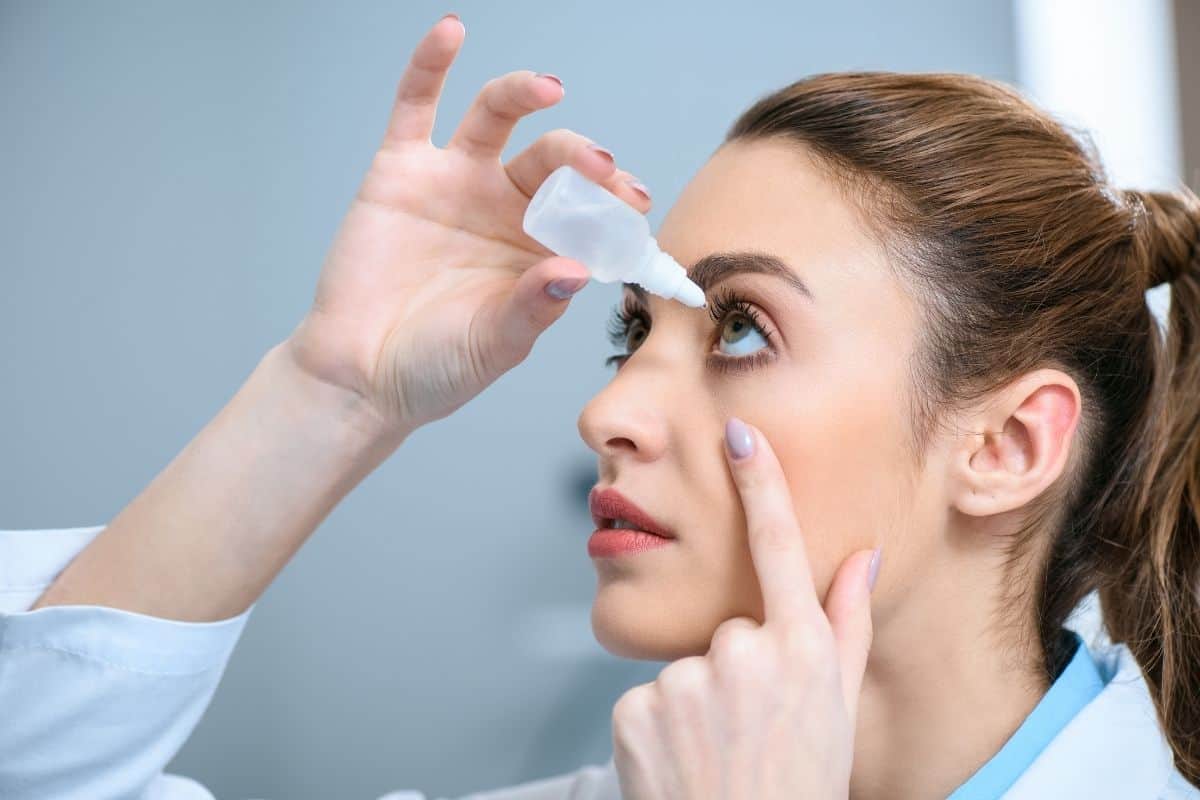
Eye drops are medications just like tablets and injections, which means they should be treated like prescription drugs. Using eye drops in any way other than as directed by your doctor can put your eyes at risk.
Eye drops are used to treat many eye conditions, including glaucoma (increased intraocular pressure), conjunctivitis, eye infections, and symptoms of dry eye. They may also be prescribed after eye surgery to prevent infection and reduce inflammation.
Whatever the reason for using them—whether sterile eye drops, anti‑inflammatory drops, or lubricating drops for dry eyes—they must be used exactly as your doctor instructs. The same applies to eye gels and eye ointments.
What Are Eye Drops?
Eye drops, or sterile ophthalmic drops, are medications used to treat symptoms of eye allergies. They help reduce redness and swelling and provide temporary relief from burning and discomfort. They are used only in the affected eye and for the duration recommended by your doctor. You should not skip doses, and you should complete the full course of treatment even if you start to feel better early on.
Common side effects of sterile eye drops include a stinging sensation, blurred vision, and eye pain. If any of these symptoms last for a long time, you should consult an eye doctor (ophthalmologist).
Eye Drops for Redness
Eye redness can be caused by viral or bacterial infections or by allergies. To choose the appropriate eye drop for redness, the underlying cause must first be identified and whether the eye needs an anti‑inflammatory drop, an antibiotic eye drop, or something else. All of these should only be used with a doctor’s prescription.
Decongestant eye drops, often called “whitening” or “redness‑relief” drops, contain chemicals known as vasoconstrictors, which constrict tiny blood vessels along the white part of the eye. This makes your eyes look less red. While decongestant drops are effective at hiding redness, they can also mask a potentially serious underlying problem. It is always better to consult an eye doctor to determine the true cause of red eyes.
Dry Eye
Lubricating eye drops for dry eyes are generally safe and can be used without worry, but not all artificial tears are the same. The chemical composition differs from brand to brand. Some contain preservatives that can worsen dryness or cause irritation, and some may temporarily affect your vision. If you notice any of these issues, stop using them and consult your doctor to switch to another type.
Lubricating eye drops, also known as artificial tears, can provide short‑term relief for mild dry eye caused by digital eye strain, exposure to wind or sun, fatigue, or other temporary problems.
Most over‑the‑counter lubricating drops add components already found in your natural tears to the surface of your eye. This helps keep your eyes more moist and comfortable. It is best to avoid decongestant eye drops for dry eye: although they may make your eyes look less red, they can actually worsen dryness over time.
If your dry eye symptoms are more severe, you may need to use a moisturizing gel or ointment instead of regular drops. Gels and ointments can cause blurred vision for a while after application, so most people use them right before bedtime. If over‑the‑counter drops or ointments are not enough, ask your eye doctor about prescription eye drops or additional treatments such as punctal plugs.
Eye Inflammation
Eye inflammation may result from seasonal allergies, in which case over‑the‑counter anti‑allergy eye drops containing antihistamines and decongestants might help. In other cases, inflammation may be due to a bacterial infection, which requires prescription antibiotic eye drops from your doctor.
Eye Wash / Eye Rinse
Eye wash or eye rinse solutions are sterile liquids used to clean, refresh, or soothe the eyes, and they are useful in emergencies. They can help flush out foreign bodies and chemicals such as chlorine (for example, eye irritation after swimming in pools), pollen, and other irritants.
Expected Benefits of Using Sterile Eye Drops
Lubricating eye drops (sterile eye drops) help replace your eyes’ natural moisture when your eyes don’t produce enough tears on their own. These drops relieve dryness and irritation and improve comfort. In irritated or injured eyes, artificial tears also support healing of the eye’s surface, increase comfort by reducing the feeling of grittiness or scratching, and help flush away debris or harmful particles. By keeping the eye well lubricated, they help prevent further damage.
Eye drops come in various formulations and viscosities. Some contain bicarbonate ions, differ in thickness and osmolarity, and some are preservative‑free, packaged as single‑use sterile vials (unit‑dose sterile eye drops). Anti‑allergy eye drops help relieve burning and stinging, which are very common with allergic eye disease.
During allergy season, the right medicated eye drops can make the difference between severe discomfort and manageable symptoms. When used correctly, therapeutic eye drops reduce the risk of systemic side effects compared to oral medications. In glaucoma, prescription eye drops lower intraocular pressure, which helps protect the delicate retina and optic nerve and reduces the risk of blindness.
Rules for Using Eye Drops Correctly
Instill Your Drops the Right Way
Don’t Double Up on Drops
Keep a Safe Distance From the Bottle
Use Your Drops on the Exact Days Prescribed
Important Tips When Using Eye Drops
Do not use eye drops with contact lenses in place
Many people forget to remove their contact lenses before applying eye drops, even though lenses can interfere with the way the drop spreads over the eye and reduce its effectiveness. You should always remove your lenses before using eye drops, and wait at least 20 minutes after instilling the drops before putting your contact lenses back in, to prevent drug residue from sticking to the lens.
Do not squeeze your eyes shut tightly after applying drops
When you use eye drops, gently close your eyes or blink normally so the liquid can spread evenly without being pushed out of the eye. Avoid squeezing your eyes tightly or excessive blinking, so your eye can keep as much of the medication as possible.
Try to keep the drop in the eye
When using eye drops, it’s helpful to press gently on the inner corner of your eye (over the tear duct near the nose) to reduce the amount that drains into your throat. This can lower the risk of systemic side effects. You should also wipe away any excess liquid on the skin to avoid irritation around the eye.
Temperature and storage
Most eye drops should be stored in a cool, dry place, and some must be kept in the refrigerator to remain effective. Always check the product label and ask your pharmacist about proper storage.
Do not mix different drops together
If your doctor prescribes more than one type of eye drop, avoid using them back‑to‑back. It’s best to leave about 30 minutes between each different eye medication.
One drop is enough
To get the most benefit from an eye drop, use just one drop at a time in each eye. Adding more than one drop at once is usually pointless because the eye cannot hold a large volume of liquid, and the excess will simply run out.
Consult your doctor if complications occur
Some people may experience vision changes or an allergic reaction after using eye drops. Certain drops contain corticosteroids or preservatives that can trigger allergies in some individuals. If you notice any changes in your vision or signs of an allergic reaction, stop using the drops and consult your doctor.
Do not let the tip of the bottle touch your eye
This helps prevent infection, as bacteria from the eye can contaminate the solution. For the same reason, you should never share your eye drops with others. Do you find it hard to use eye drops, especially with children?
Eye Drops for Children
Eye drops can be prescribed for children to treat many eye conditions, such as infections, allergies, and to dilate the pupil before an eye exam. There is a simple and comfortable trick that makes using eye drops for children easier and avoids struggles and constant crying—and it can also help adults who have trouble using eye drops.
Ask the child to lie on their back and gently close their eyes. Place one drop in the inner corner of the closed eye near the nose, then ask the child to blink several times so the liquid flows into the eye. Quickly wipe away any excess fluid on the eyelid.
Especially with children, you should never use any prescription or over‑the‑counter treatment for the eyes (or any medication) without first consulting a qualified doctor.
Risks and Side Effects of Eye Drops
Eye drops are medications and should always be used under medical supervision and according to your doctor’s instructions. They should not be used for long periods unless your doctor specifically recommends it. Eye drops are usually a short‑term solution for a temporary problem, not a long‑term cure. Overusing eye drops can actually put your eye health at risk in several ways:
More Serious Conditions
If redness, irritation, or dryness persist despite using eye drops for a prolonged period, there may be a more serious underlying issue such as inflammation, infection, or an unnoticed eye injury. The longer the real cause goes undiagnosed, the higher the risk of complications. If your symptoms continue, you must see an eye specialist to rule out more serious conditions.

If you suffer from dry eyes, redness, irritation, or any persistent eye symptoms that do not improve with eye drops, you should visit an eye specialist for a thorough examination and proper treatment.